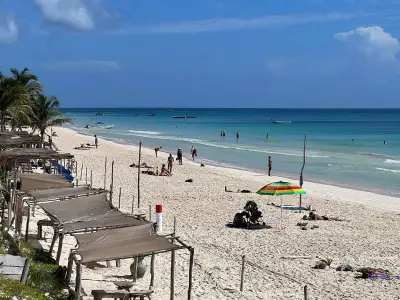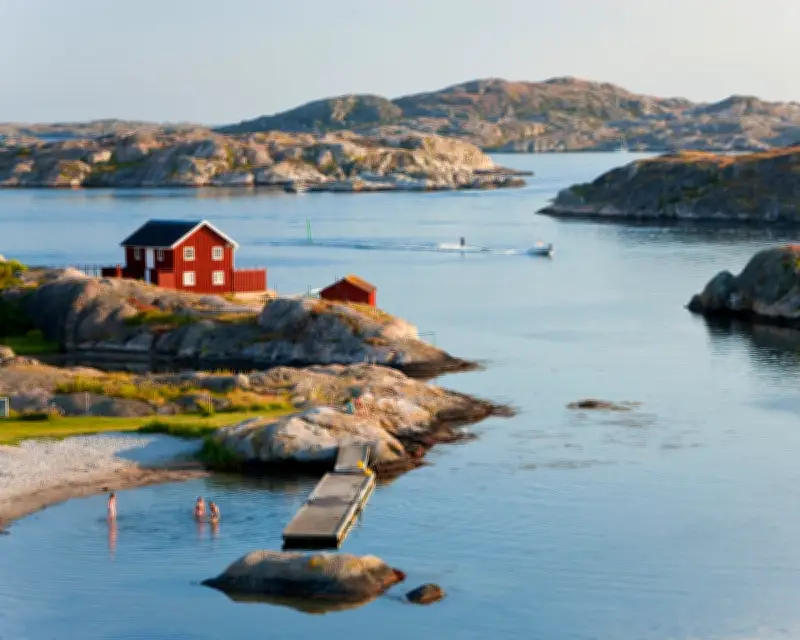
The Guardian's travel section has compiled a list of tips for those seeking a cooler coastal break in Europe, avoiding the intense heat and crowds of traditional summer hotspots. The recommendations focus on destinations with milder climates, fewer tourists, and unique coastal experiences.
Why Choose a Cooler Coastal Break?
With rising temperatures across southern Europe, many travelers are looking for alternatives that offer pleasant weather without extreme heat. The Guardian's tips highlight locations where average summer temperatures range from 20-25°C, providing a comfortable environment for outdoor activities.
According to the article, destinations such as the Baltic coasts of Estonia and Latvia, the Atlantic shores of Portugal's Algarve, and the Croatian islands offer a refreshing change. These areas also tend to be less crowded than the Mediterranean's most popular resorts.
Top Destinations for a Cooler Break
The list includes several specific recommendations:
- Estonia's Baltic Coast: The Pärnu region offers sandy beaches and a vibrant cultural scene, with average July temperatures around 20°C.
- Latvia's Jurmala: A resort town with wooden architecture and a long beach, known for its mild climate and spa treatments.
- Portugal's Algarve: The western Algarve, particularly around Sagres, is windier and cooler than the east, ideal for surfing and hiking.
- Croatia's Istria: The peninsula's northern coast offers cooler temperatures and fewer tourists, with charming towns like Rovinj and Poreč.
- Ireland's Wild Atlantic Way: For those seeking dramatic scenery, the west coast of Ireland provides cool, fresh air and stunning landscapes.
Practical Tips for Travelers
The Guardian's experts advise booking accommodation in advance, as these cooler destinations are gaining popularity. They also recommend packing layers, as evenings can be cool. For those driving, renting a car allows exploration of lesser-known coves and villages.
One traveler quoted in the article says, "We visited the Baltic coast last August and were amazed at how pleasant it was. No need for air conditioning, and the beaches were spacious."
Environmental and Economic Impact
Choosing cooler coastal breaks can also reduce the environmental footprint of travel, as these regions often rely on sustainable tourism practices. Local economies benefit from a more evenly distributed tourist season, reducing pressure on resources during peak months.
The article concludes by encouraging readers to consider these alternatives for a more relaxed and enjoyable summer holiday, away from the heat and hustle of traditional hotspots.