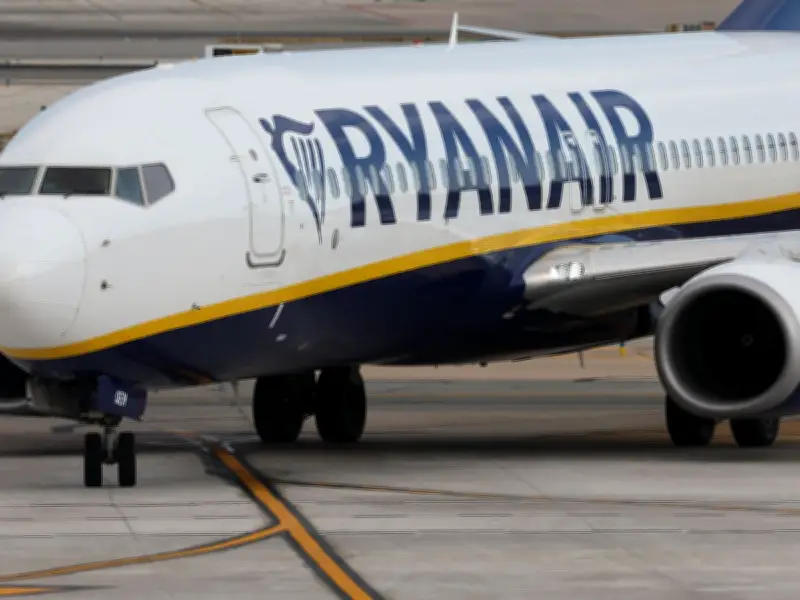
Ryanair has identified seven popular European airports where passengers are suffering long delays because of new EU border checks. The airline issued a severe delay warning for anyone using these airports, warning of 'missed flights and unnecessary stress'.
Affected Airports
The airports struggling with the Entry/Exit System (EES) are Tenerife South, Palma, Alicante and Malaga in Spain; Milan Bergamo in Italy; Krakow in Poland; and Paris Beauvais in France. Ryanair said these sites are 'not ready' to manage high passenger volumes during the peak summer season due to 'insufficient staff, kiosks and system readiness'.
Port of Dover Warning
The boss of the Port of Dover warned it will 'face repeated episodes of severe congestion' throughout the summer without more flexibility in EES. Chief executive Doug Bannister predicted queuing cars will be 'spilling out of the port onto the public highway for miles' unless something changes, adding 'the local impact could be dire'.
What is the Entry/Exit System?
EES, rolled out fully in April, involves people from third-party countries such as the UK having their fingerprints registered and photograph taken to enter the Schengen Area, which consists of 29 European countries, mainly in the EU. For most UK travellers, the process is done at foreign airports, but it is also carried out at the Port of Dover, Eurotunnel's Folkestone terminal and London St Pancras railway station.
Ryanair's Advice and Plea
Ryanair is advising passengers travelling between Schengen and non-Schengen destinations this summer to arrive at airports earlier than usual, as it warned families 'face passport queue chaos' because of EES. The Dublin-based carrier urged European governments to 'suspend the rollout' of EES until September to avoid passengers suffering 'long and avoidable passport control queues'. The airline said it has urged the governments of 'the most exposed countries' to take action but 'there has been zero response to fix this major challenge'.
Ryanair's chief operations officer Neal McMahon said: 'As schools break up and Europe enters the busiest travel period of the year, it is clear that EES is still not ready for peak summer volumes. Passengers and families should not be used as guinea pigs for a half-baked passport control system that risks creating long queues, missed flights and unnecessary stress at airports this summer. It is as simple as postponing EES until September, as other EU countries like Greece have already done.'
Port of Dover's Critical Incident
The Port of Dover declared a 'critical incident' during the May half-term period after waiting times reached four-and-a-half hours. In a letter to the Commons' Business and Trade Committee, Mr Bannister wrote that this happened on a day with about 8,500 tourist vehicles, while in the coming weeks daily traffic will exceed 12,000 vehicles. He described how the port 'worked extensively' to prepare for EES, including investing £40 million in a purpose-built facility to process passengers away from its main site to minimise disruption, but this is not being used as intended because of the 'inoperability of the EES kiosk technology', which is 'completely beyond the control of the port'.