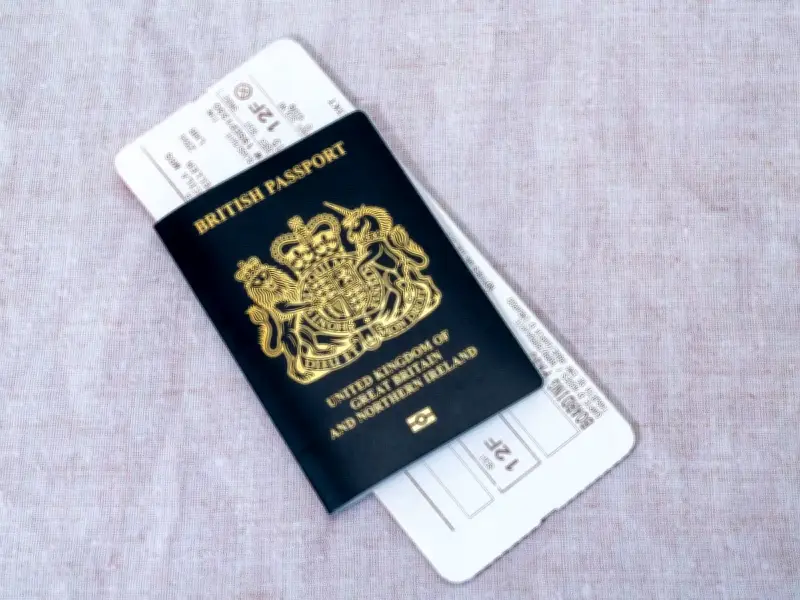
UK holidaymakers heading to EU countries such as Spain, Greece and Portugal must check two key dates on their passports, or they risk being turned away at the airport. Airlines including easyJet and Ryanair will not let passengers board without the correct documentation.
Two key dates to check on your passport
The first date is the expiry date. Even if your passport expires after you are due to return from your trip, for EU countries it must be valid for at least three months after the date you plan to leave the destination. The second date is the issue date. Your passport must have been issued within 10 years from the day you plan to enter an EU country. If your passport meets only one of these criteria, it will be deemed invalid by authorities and you will likely be denied boarding.
How to renew your passport
If you need to renew, you can apply via the Gov UK website. An online renewal costs £102 for an adult passport, or £115.50 for a paper application via post. A child's passport renewal costs £66.50 online or £80 by paper. The Post Office also offers passport renewals, including photo services. Wait times vary, but urgent options are available. The 1-day premium service costs £239.50 and provides a passport within 4 hours after an appointment. The 1-week fast track service costs £192 for adults and £156.50 for children, with delivery by courier within a week.
Other travel rules to know for EU
The Foreign Office updated its travel advice for 30 countries this week due to the new Entry/Exit System (EES) affecting Schengen Area countries, including France, Greece, Croatia, Italy, Spain and Portugal. UK passport holders will be asked to provide fingerprints and have their photograph taken when arriving at the EU border. Children aged 11 or under might not be asked for fingerprints but will likely still need to be photographed. The EES has caused delays and long queues at some airports, so allow extra time. At the time of writing, Greece is waiving the EES for Brits during peak holiday periods.