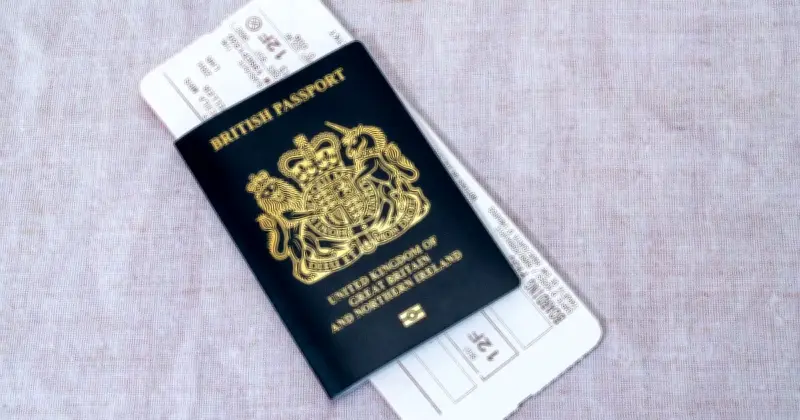
British travellers planning last-minute summer holidays are being warned to check their passports for damage, as a seemingly minor issue could lead to denied boarding or problems at border control. Experts at Booking.com have highlighted that ordinary wear and tear may actually be considered damage, potentially affecting travel plans.
What counts as passport damage?
According to Booking.com's guidance, damage includes a compromised photo page, water damage that has warped pages, or a machine-readable strip that has become smeared or damaged. Torn or missing pages can also be a problem, as can damage that makes personal details difficult to read. Scribbles or other unofficial markings on the data page may also leave a passport unusable.
A small bend or slightly worn cover will not necessarily cause problems, but more serious damage can leave travellers facing uncertainty over whether their document will be accepted. Airlines can refuse to let someone travel if they believe their passport is not valid. Even if a passenger is allowed onto the aircraft, border officials at their destination have the final say over whether the document will be accepted.
Consequences of a damaged passport
A damaged passport could potentially leave someone facing a ruined holiday, additional costs, or a return journey without being allowed into their destination. However, not every sign of use means a passport needs replacing. According to the guidance, minor creases, a slightly worn cover, and pages that have become loose while remaining intact can fall under normal wear and tear.
Holidaymakers should be particularly careful about trying to fix any damage themselves. Booking.com warns: "Whatever the state of your passport, don't attempt to repair it yourself. Any attempt at 'repair,' such as tape, glue, or staples, counts as tampering and makes the document legally invalid. A passport with attempted repairs is considered worse than a damaged one."
How to protect your passport
Travellers are instead advised to inspect their passport well before their departure date rather than discovering a problem immediately before their flight. Keeping the document protected can also reduce the risk of problems. The guidance recommends using a passport cover, keeping passports in waterproof storage during beach holidays, and storing them in a safe place inside hand luggage.
People are also advised to keep passports away from children and pets and avoid carrying them in a back pocket, where repeated bending, sitting, and perspiration could damage the pages. A digital scan or photograph can also be kept securely as a backup, which could make the process easier if the passport is lost or damaged while abroad.