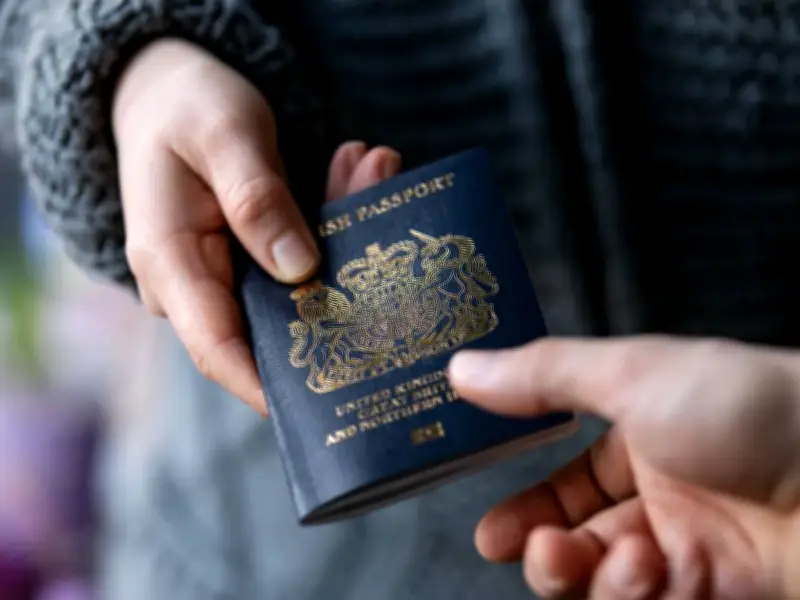
From Monday, September 28, everyone travelling by ferry between Britain and the Republic of Ireland, including British citizens, must carry a valid passport when they depart. The change affects all passengers regardless of age or nationality.
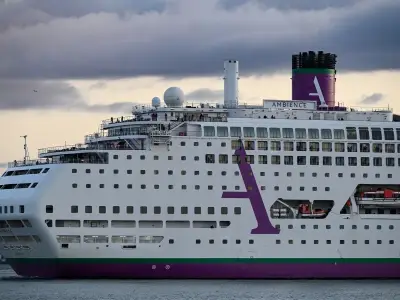
Major ferry companies, including Stena Line and Irish Ferries, have announced they will only accept passports as photo ID for all passengers, including Irish and UK citizens. Alternative photo IDs, such as driving licences, will not be accepted on these routes.
Why the passport rule is changing
The Common Travel Area (CTA) agreement means British and Irish citizens do not legally need a passport to travel between the two countries. However, more travel companies now require passports to meet border processing rules.

The new passport rule for ferry crossings comes from strict UK Border Force guidelines about accurate passenger data before boarding. This change brings ferry travel in line with the document checks already used by many airlines.
Which routes are affected
This rule applies to ferry routes between Holyhead and Dublin and between Fishguard and Rosslare. These restrictions do not apply to ferry routes that travel via Belfast, Liverpool, Cairnryan, or Heysham.
Irish Ferries advises Irish and UK citizens travelling after September 28 to make sure they have a valid passport or Irish passport card before arriving at the port. This will help avoid delays or problems with their journey.
The Irish Ferries Customer Service Team is contacting customers with existing bookings to help them with this new requirement. For more information on travel requirements to Ireland, check the UK Foreign Office website.