A new direct train service from Malmö to Oslo, operated by Swedish rail company Snälltåget, takes 6.5 hours along Sweden’s western corridor, with tickets starting at £11 each way. The route, which launched this summer, has already carried more than 25,000 passengers, providing an easier and cheaper option than the long bus rides and fragmented train transfers previously required.
Starting in Malmö
The journey begins in Malmö, across the Øresund Bridge from Copenhagen. The southern port city is less polished than Stockholm and grittier, but its residents seem more outgoing and curious. Almost half the population is under 35, and 187 nationalities are represented, making it a hotbed of creativity. In the centre, the Form/Design Center occupies a former 16th-century grain store, now a meeting point and exhibition space for design, crafts and architecture. There are also the Moderna Museet and Malmö Konsthall modern art galleries.
At Möllevången, or Möllan, a trendy neighbourhood popular with creatives, a friend who has lived in Malmö for nearly a decade guides visitors through Folkets Park, the “people’s park”, pointing out his favourite pizza spot, Far i Hatten, which occupies cute wooden huts. Nearby, Ava offers a beer on a leafy square dotted with hip restaurants and organic wine bars, feeling like Malmö’s equivalent to London Fields in Hackney.
Stopping in Varberg
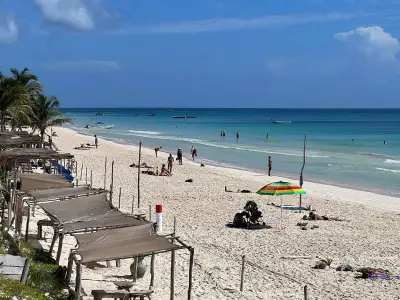
Snälltåget operates just one direct Oslo-bound train a day, at 6.38am from Malmö Central, with plans to increase this next year. The route passes the romanesque towers of Lund Cathedral, then chugs through pancake-flat yellowing agricultural fields, before skirting Apelviken bay – Varberg’s long, sandy horseshoe beach popular for kitesurfing and surfing.
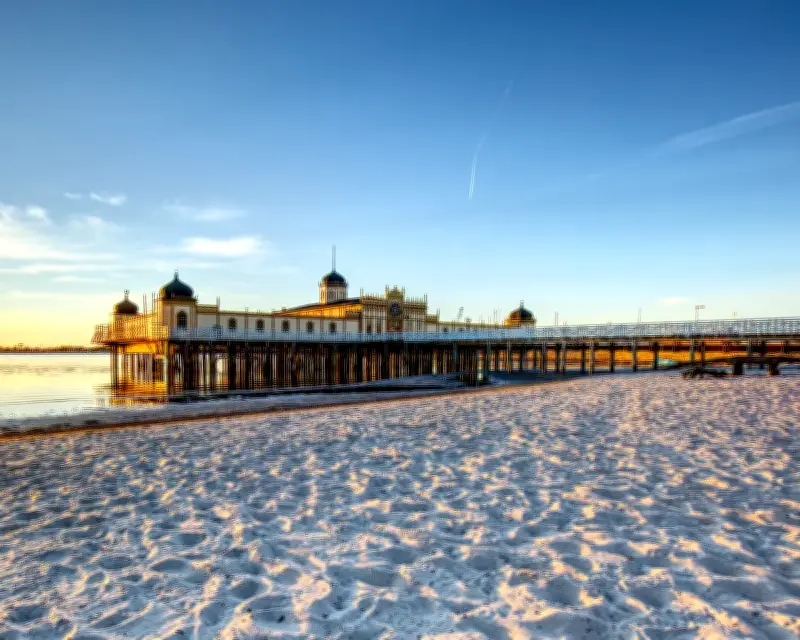
Varberg is Sweden’s equivalent of a coastal British market town, with bunting, cobbled streets, intimate cafes and a weekend market. It is also a spa town, home to the pretty, Moorish-inspired Kallbadhuset (cold bath house), set on wooden piles above the Kattegat sea. For about £8, visitors gain access to segregated men’s and women’s saunas, both with sea views. A plunge in the brisk water after the sauna proves the perfect antidote to a 6am start. According to a sign outside Skarpe Nord, a community-run women’s bathing spot nearby, people have been nude-bathing in Varberg for more than 100 years.
In the bowels of Hotell Gästis hides a replica of Vladimir Lenin’s favourite bathhouse. The hotel’s owner, Lasse Diding, built the spa as a homage to his idol, inspired by a visit to the original bathhouse in St Petersburg in the 1980s. The space is clad in more than 75,000 cobalt tiles and decorated with candlelit busts of communist leaders. Diding is responsible for Varberg’s many visible politically left-leaning monuments, including a giant Palestine flag, Hotell Havanna (an ode to revolutionary Cuba) and a statue of Danuta Danielsson, who became a symbol of solidarity after hitting a marching neo-Nazi with her handbag in Växjö in 1985.
Gothenburg and the final leg
The following morning, a fast train takes 39 minutes to reach Gothenburg. After checking in at the sophisticated, French boudoir-style Hotel Pigalle, just five minutes’ walk from Central station, the city’s modern shopping artery Kungsgatan leads towards Magasingatan, packed with vintage shops (Ragtime, Pop and Humana) and craft stores such as Customwood, which makes bespoke wooden furniture to order.
A fika (the Swedish tradition of taking a break to drink coffee and indulge in a sweet treat) at Da Matteo, a barn turned cafe spread across three floors, offers Scandi-industrial interiors and scents of bread and coffee from the in-house bakery and coffee roastery. A bullar (a classic cardamom bun) and a latte cost just under a tenner. Slottsskogen park, roughly the size of Hyde Park, is home to deer, penguins and Gotland ponies, and described as the favourite park in Europe.
The Gothenburg to Oslo leg is the cinematic climax, starting with rolling green pastures, cows grazing on a riverbank and forests thick with towering conifers beneath a blue summer sky. Lakes widen, trees grow greener and granite canyons appear grander with every kilometre, drawing excited kids to press their noses against the windows.
Arriving in Oslo
After pulling into Oslo, bags are dumped at Citybox, a minimalist hotel a few minutes’ walk from the station, before heading north to Sognsvann. This lake and recreational area on the outskirts of the city is the starting point for a circular walk up to Vettakollen, a popular viewpoint. After an easy, 30-minute uphill hike, a rocky mound skirted by pine trees offers views of Oslo unfurling in the distance, the urban sprawl of metal and glass stretching to the fjord. This, the writer notes, is what makes Scandinavia special: the urban and the natural worlds seamlessly colliding.
The trip was provided by Visit Sweden. One-way tickets from Malmö to Oslo with Snälltåget cost from 149 Swedish kronor (£11). Double rooms at Hotell Gästis from £90. Doubles at Hotel Pigalle from £85. Single rooms at Citybox Oslo from £68.