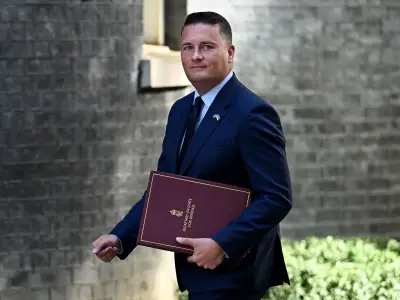
Feasibility studies are being undertaken to see if ferry services can return between Liverpool and New Brighton. Metro Mayor Steve Rotheram said reinstating crossings after more than half a century away is something he would “love to do.”
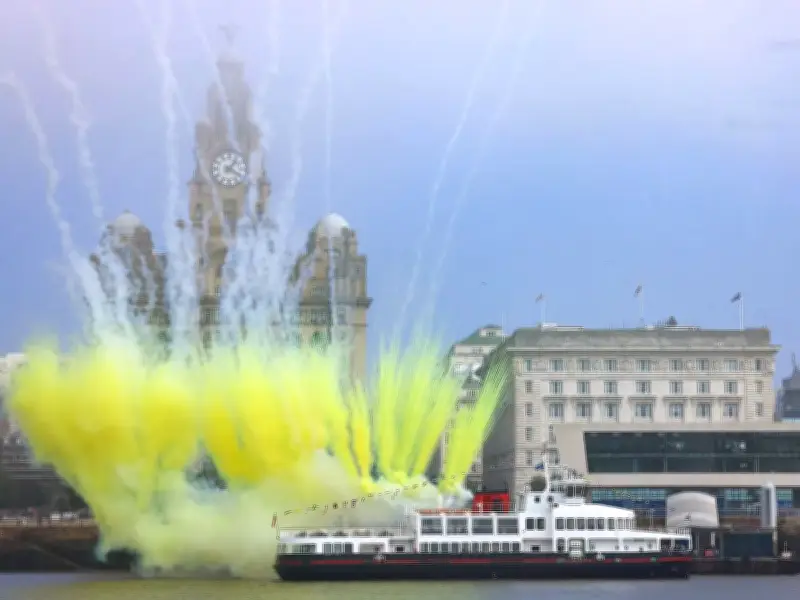
Last week, the first brand new Mersey Ferry in 60 years set sail on her maiden voyage after an official naming ceremony. The £26m Royal Daffodil is expected to enter into passenger services officially next month.
Mayor's passion for reinstating crossings
Mr Rotheram was one of the dignitaries on board for the ceremony and has revealed work is now ongoing to re-establish the river crossing that was cancelled in 1971. Speaking on BBC Radio Merseyside earlier today, the Metro Mayor didn’t hide his passion for the idea.
He said: “This is one I’d love to do. The very first interview I did when I became Metro Mayor, they said what’s your favourite place in the Liverpool City Region and it’s New Brighton.
“You used to be able to get the ferry to New Brighton but they had a lido and it seemed every summer lasted forever didn’t it? It was so exciting, it was a buzz and I’d love to see a return to something like that.
“We are genuinely looking at the feasibility of what we can do on the ferry, so can we have new terminals and all that sort of stuff? They are expensive but we’re having a look at it.”
New Brighton Pier's history
Demolished in the late 1970s, New Brighton Pier boasted a long history. The first wooden ferry pier at New Brighton opened in 1834 - but was too short to be used by the ferries at low tide - and was later replaced by a new 600 foot iron structure designed by Eugenius Birch, which opened in September 1867.
The new pier included a saloon, a central observation tower for viewing shipping on the Mersey, refreshment rooms, shelters and an orchestra. After it was bought in 1928 by Wallasey Corporation for £13,000, they spent £31,354 replacing rather than repairing all the buildings, including the pavilion.
During WWII, the pier was used in the war effort to protect the Mersey and entry into Liverpool. The pier closed in 1965 and was later leased to a subsidiary of Fortes who re-opened it in June 1968, but despite an estimated £200,000 being spent on improvements, the pier was closed for good in November 1972.
Engineering challenges ahead
The new Mersey Ferry was the 16th vessel of its kind constructed at Cammell Laird in Birkenhead. While the two-year build was relatively straightforward, Mr Rotheram said developing a new terminal for New Brighton wouldn’t be plain sailing.
He said: “You can’t just build a thing and then people get on that and off it because the river has nearly an 11 metre differential between high and low tides, you have to have something that floats, a pontoon. It has to be fixed to the riverbed, so there’s huge engineering and costs to it.
“Would I like to do it? Yeah. Will we be able to do it? We’re having a look.”