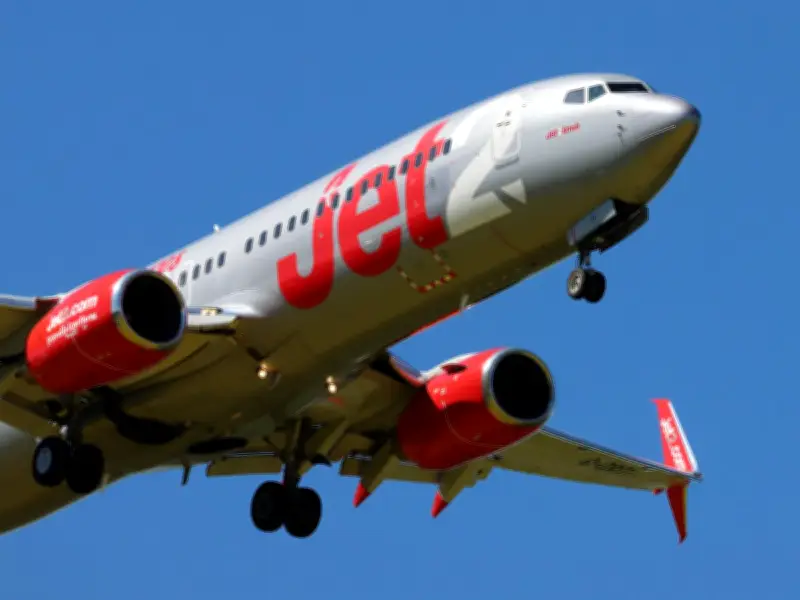
In a recent blog post, a Jet2 pilot named Josh shared what turbulence is really like and what he wishes passengers understood about it. Reassuring people that turbulence is "normal," Josh urged passengers to stay calm, emphasizing that it's nothing to panic about.
What is turbulence?
Experts at Flight Radar 24 explain: "Turbulence is a common yet complex weather phenomenon that affects aviation. Broadly speaking, it refers to irregular air movements that cause erratic changes in the altitude and/or attitude of an aircraft."
Josh, writing in the airline's Ask a Pilot blog, noted that there are "a few things that'll really help" nervous flyers stay calm and enjoy their trip, whether they're heading on a short-haul hop or a longer flight.
Tips for nervous flyers
Answering the question "I'm a nervous flyer! Can you give me some tips on how to relax and enjoy the flight?" Josh set out practical ways passengers can feel more in control and less anxious in the air.
He explained that "understanding that turbulence is completely normal" is the first step in dealing with nerves. Planes are designed and rigorously tested to cope with conditions far more severe than anything you're likely to encounter on a routine journey.
If you are worried, Josh advises: "Let the crew know if you're feeling nervous. The team at Jet2 are incredibly customer-focused, and if you mention it, they'll do everything they can to reassure you and make the journey as comfortable as possible. This might even include a cockpit visit on the ground before departure, which can really help build confidence."
The pilot also recommends keeping yourself occupied with distractions such as music, films, podcasts or a good book. This can really help take your mind off the flight and make the time go faster.
He stressed: "Remember, flying is one of the safest forms of transport, with multiple layers of training, technology and procedures all working together to keep you safe. If you have any questions while onboard, just ask a member of our friendly crew who will gladly help you."
Types of turbulence
Flight Radar explains the types of turbulence that can range from light to extreme. However, it stresses: "Whilst turbulence can feel unsettling, especially to nervous flyers, it is important to emphasise that severe turbulence events are generally quite rare. Pilots carry out an extensive weather brief before a flight which identifies areas of known turbulence en-route, which are avoided if possible."
Light Turbulence causes slight and erratic changes in altitude and attitude of the aircraft. Passengers may feel a light strain against their seat belts. There is little or no difficulty in walking for crew members, and unsecured objects may be slightly displaced.
Moderate Turbulence results in changes in altitude and/or attitude that are more intense than light turbulence but the aircraft remains under control at all times. Passengers feel a more definite strain against their seat belts and unsecured objects are dislodged. Walking becomes difficult for crew members.
Severe Turbulence causes large, abrupt changes in altitude and/or attitude, with large variations in airspeed. The aircraft may be momentarily out of control. Passengers are forced violently against their seat belts, and unsecured objects can become airborne. Walking is impossible. Severe turbulence is generally quite rare.
Extreme Turbulence results in the aircraft being tossed about violently, making it practically impossible to control. This category of turbulence may cause structural damage to the aircraft. Severe injuries to passengers and crew are possible if they are not securely fastened. Extreme turbulence is, as named, extremely rare.