Motoring experts have shared practical ways to maintain your car's appearance effectively while conserving water during a hosepipe ban. Steve Walker, head of digital content at Auto Express, acknowledged the situation, saying: "Water companies have suggested that, during a drought, we should wear a dirty car as a badge of honour because it shows we are doing our bit to conserve water. But there are occasions when your car really does need a clean."
He added: "The good news is that you don’t need a hosepipe to keep it looking presentable." Here is how you can keep your car in top condition without using a hosepipe.
Focus on targeted spot cleaning
Instead of washing the entire car, you can focus strictly on essential areas. Mr Walker said: "The windscreen can be cleared easily using a combination of wet and dry microfibre cloths, or a dedicated cleaner like Bilt Hamber Traceless. To protect paintwork, you should remove traces of bird droppings and insect splats as soon as possible so that they don’t scar to the finish as they bake in the hot weather."
Wet a cloth with screen-wash fluid to get rid of them while they are fresh, or use a specialist bird dropping cleaner like Autoglym’s Bird Dropping Wipes. For older marks try CarPlan’s No1 Super Bug.
Use a bucket and water
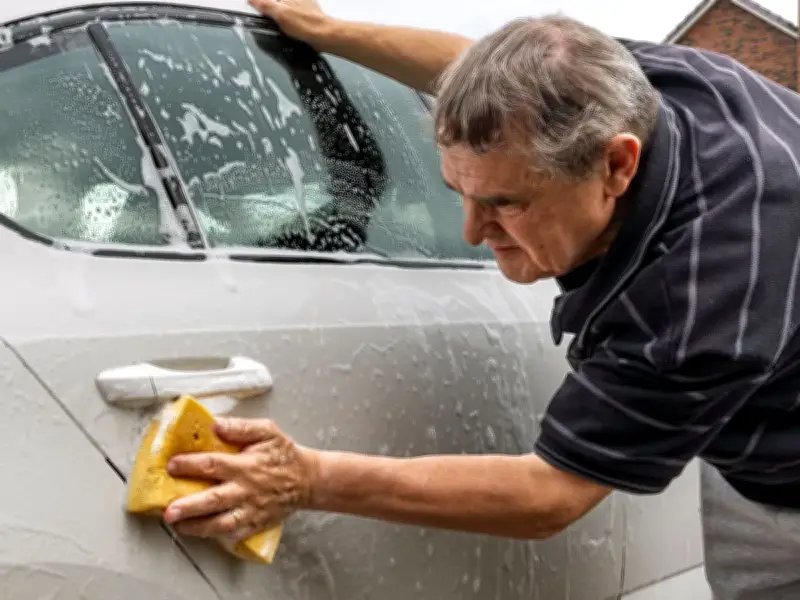
Going back to basics with a bucket and watering can is completely allowed under hosepipe restrictions. You can even use a pressure washer if you draw water from a bucket rather than directly from the tap. Mr Walker explained: "It is possible to wash a car using a bucket and watering can, it is just harder work because you will need to keep filling up from the tap rather than using a hose. It is easier to wash the car in the shade when the paintwork is cool – early mornings or late evenings are ideal – and then wet the car using the watering can and use a pre-wash on tougher dirt spots such as bird droppings or dead flies."
Once rinsed, dry the paintwork immediately to prevent unsightly water stains and streaks.
Using a garage jet wash
Commercial car washes are generally exempt from restrictions because they recycle their water. However, Auto Express warns that machine brushes can miss spots and cause paint damage. Alternatively, you could use a commercial jet wash bay with your own equipment. Mr Walker said: "Instead, use a jet wash, but take your own wash mitt (the attached brush is often covered in dirt and grit) to wipe the bodywork after applying the foam."
Once you have rinsed your car, try and dry the paint before the water evaporates and leaves spots and streaks.
Try a waterless wash
A waterless wash uses a concentrated formula to clean the vehicle without a single drop of tap water. Mr Walker said this technique can be a good option "if your car only has a lighter layer of dirt and dust". He explained how to do it, saying: "Get a stack of microfibre cloths (so you always have a clean section to wipe) and generously spray the fluid on the panels to help prevent scratches. It should leave a shine which is better than washing with water, and these washes also add a protective coating, which helps protect the paint from further dirt."
Let the rain do the work
Rain is usually the last thing you want when it's time to clean your car, but during a drought, a sudden downpour can be a major asset. Mr Walker said: "A shower will wet the car ready for washing and even potentially rinse it again afterwards."
You will get wet yourself of course, but in the blazing heat that is not bad thing. Check the forecast before you dry the car or your efforts could be wasted, and don't go out if lightning is predicted.