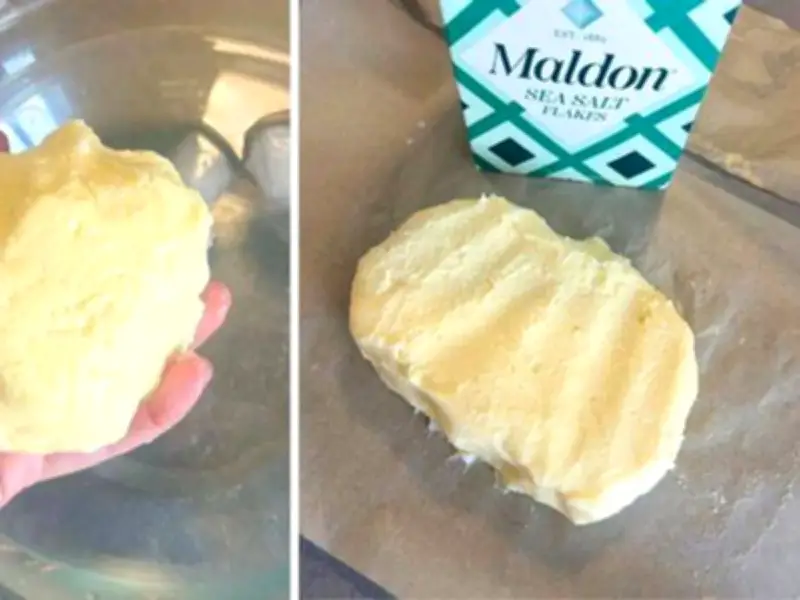
Homemade butter costs just £1 a week using double cream and takes only 10 minutes to make, according to a lifestyle reporter who tried it. Sophie Harris, Senior Lifestyle Reporter, has been making her own butter for a few weeks and says it tastes better than shop-bought alternatives.
Why make your own butter?
With the continuing cost-of-living crisis, finding ways to reduce the weekly food shop has become increasingly important, and quality butter is growing ever more costly. The process requires nothing more than some double cream and a pinch of sea salt for those who prefer a salted variety — that's all there is to it.
With just one or two ingredients needed, it is healthier than shop-bought alternatives. It's more economical as well, with a pot of double cream available for as little as £1. This is a lot cheaper than Lurpak, which was retailing for a hefty £5, yet yields nearly the same quantity.

How to make homemade butter
Armed with a stand mixer and a pot of double cream, you can begin. This can also be achieved using an electric hand whisk or a butter churner, though a standard hand whisk alone isn't advisable, as the process would take far too long.
Begin by pouring a 300ml tub of double cream into the stand mixer, attaching the whisk and setting it to a medium speed. It will take several minutes to reach soft peaks, followed by a few more minutes to reach stiff peaks. Despite it feeling counterintuitive to continue whisking beyond this point, persevere until the mixture begins to separate from the liquid.
This process takes approximately seven minutes, and once the liquid is sloshing around at the bottom of the bowl, it's time to switch the mixer off. Once whisked, strain the buttermilk through a sieve into a jug or bowl. The buttermilk can be used in pancakes or as a coating for chicken.
Washing and flavouring the butter
Ensure you press firmly on the butter to squeeze out all the excess liquid. This step is crucial for prolonging the butter's shelf life in the fridge, as removing the buttermilk prevents it from spoiling prematurely.
Next, fill a large bowl with cold water and add a couple of ice cubes. The ice is entirely optional, but it tends to yield the best results. At this point, the butter needs to be washed to remove any remaining buttermilk. Continue changing the water until it runs clear, which typically requires a few changes.
Now comes the stage to add your chosen flavourings. Fine sea salt flakes are a classic choice, though garlic or paprika work equally well. After scattering a few sea salt flakes onto the butter, give it a brief stir with a wooden spoon before rolling it up in parchment paper — and just like that, it's ready.
The resulting butter is absolutely delicious, with barely any discernible difference from shop-bought varieties. If anything, the homemade version tasted considerably fresher, with the added satisfaction of knowing precisely what went into it.
This homemade butter also makes a wonderfully thoughtful gift, and with Christmas just a few months away, it's certainly something worth making for family members.