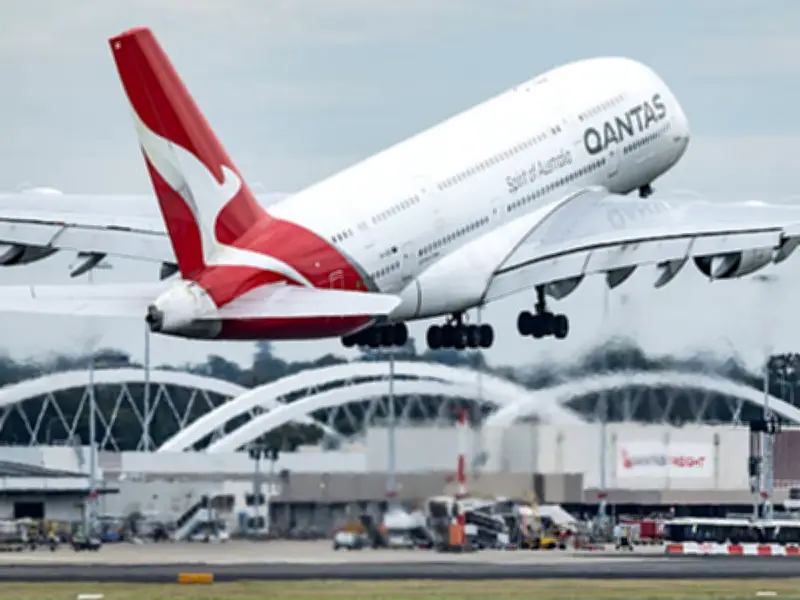
Hundreds of passengers across Australia and New Zealand have been left stranded after several airlines faced widespread flight disruptions. Carriers including Qantas, Jetstar, Network Aviation, Alliance Airlines, Air New Zealand, and Sounds Air recorded a total of 54 cancellations and 674 delays at major hubs, according to operational data compiled from regional aviation trackers and airport boards.
Impact on Major Hubs
The largest impact was felt at major Australian hubs such as Sydney, Brisbane, Perth, and Adelaide. Some flights were cancelled outright, while many others departed late—in some instances by more than an hour. The disruption was not limited to any single airline or fleet type, but rather reflects the tight interdependence of the wider Australasian network, analysts said.
Knock-On Effects
The knock-on effect of a single delayed or cancelled flight can ripple across multiple routes, given how interconnected the aviation network is. Industry data and published commentary suggest a combination of factors is driving the current bout of disruption.

- Seasonal Weather Systems: Weather systems moving through south-eastern Australia and across the Tasman Sea can quickly reduce runway capacity at Sydney and Auckland airports.
- Lean Staffing and Aircraft Availability: Airlines have had to manage lean staffing and aircraft availability, which can result in even minor technical issues or ground-handling delays triggering last-minute cancellations, as reported by The Traveler.
- Network Complexity: When a partner airline experiences a disruption on one leg, passengers booked under another carrier's code can find themselves stranded or rebooked through unfamiliar airports.
Conclusion
These factors create a travel environment in which published timetables provide only guidance to actual operations on challenging days. Passengers are advised to check with their airlines for the latest updates.