The Super El Niño has morphed into a 'mega El Niño', with weather experts warning that extra stormy conditions are set to batter Britain in the coming weeks. Sea temperatures in the Pacific have rocketed, with some areas reaching 10°C (18°F) above normal, and scientists have described the situation as "unprecedented" without knowing exactly what comes next.
Record Pacific Warming
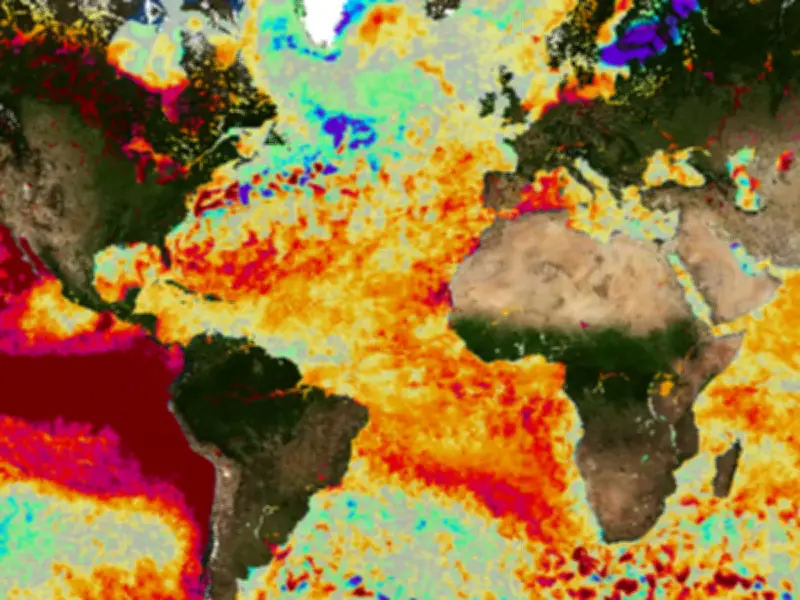
US meteorologist Ryan Maue wrote on X: "+10°C sea surface temperature anomaly near Galapagos and off coast of Peru. This is now a mega El Niño." A map shows a vast band of exceptionally warm water stretching from the coast of South America towards the central Pacific Ocean, with dark red and white colours indicating waters several degrees warmer than average extending to depths of around 656ft.
Dr Genevieve Guenther, author of 'The Language of Climate Politics', commented on X: "Lots of aquatic life is dying in that heatwave." Another person added: "It looks like a scar. Earth screams in pain. Next summer is going to be one ugly summer."
Impacts on Britain and Beyond
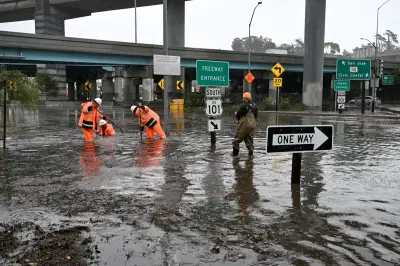
The mega El Niño is likely to influence temperatures and rainfall across much of the world in the coming months, meaning some terrible weather could hit the UK this winter. Large storms are expected, and other parts of the world have already been affected, with America's west coast experiencing heavy rain, flooding and damaging winds.
Scientists have warned that prolonged marine heat can trigger breeding failures, mass starvation events and population declines among some of the area's most iconic species.
Heat Mortality Projections
The news comes a month after a "death map" revealed where the record-breaking Super El Niño is expected to hit hardest. The updated El Niño Heat Mortality Tracker, developed by the Climate Impact Lab, models the human cost of the current historic El Niño event as it collides with human-caused global warming and pushes ocean and land temperatures to unprecedented extremes.
According to the latest projections, the current cycle could drive an estimated 857,400 additional heat-related deaths globally between June 2026 and March 2027, with the next six months expected to be especially deadly.