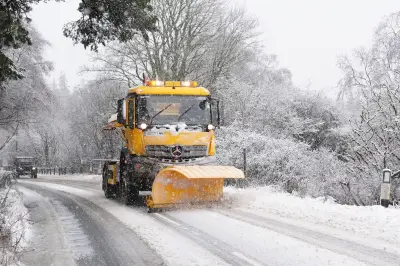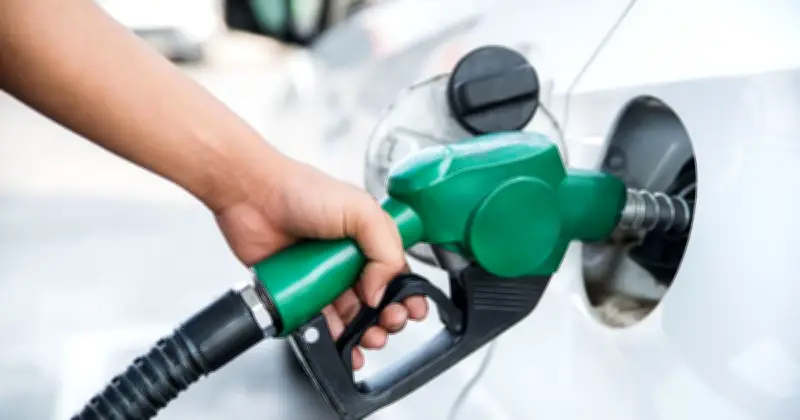
Motorists are being urged to keep their petrol or diesel tanks at least half full on Tuesday as the first snow storms of winter arrive in parts of the UK. British Gas has issued advice to households and drivers to help them prepare for cold and snowy weather.
Snow forecast for Tuesday morning
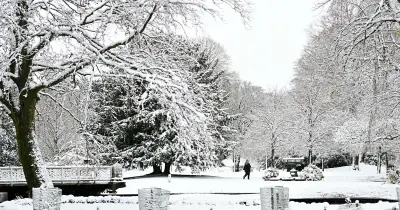
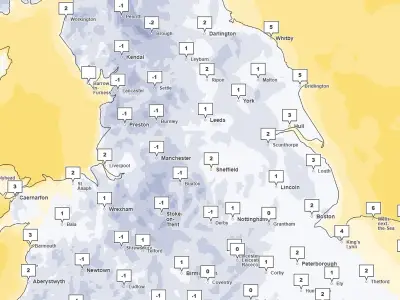
The Met Office has forecast snow in the UK, especially in 23 key areas of England and Scotland, as early as midnight on Tuesday and lasting until 11am, including cities such as Manchester, Newcastle, Leeds and Glasgow. It also says more snow could be on the way later this week, with another blast of sub-zero temperatures possible on Friday.
Met Office Chief Forecaster Dan Suri said: “A band of rain will move northwards across the UK during Monday night and Tuesday morning and, as it encounters colder air, it will turn to snow for a time.
“The greatest chance of settling snow will be over ground above 200 metres, with 1-5 cm possible in places and potentially 5-15 cm above 300-400 metres. Combined with strong easterly winds, this could bring some travel disruption to higher-level routes.
“Through Tuesday morning the snow will increasingly turn back to rain, with some minor surface-water impacts also possible. Away from higher ground, and so for many people, rain rather than snow will be the main story, although it will continue to feel cold in the north. Temperatures will be closer to average further south, before more settled conditions gradually develop here late this week.”
British Gas advice for drivers
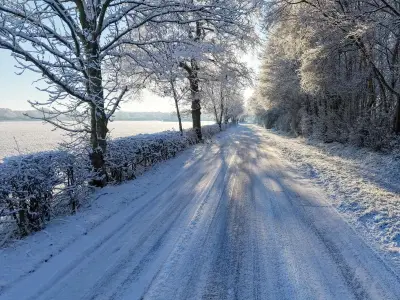
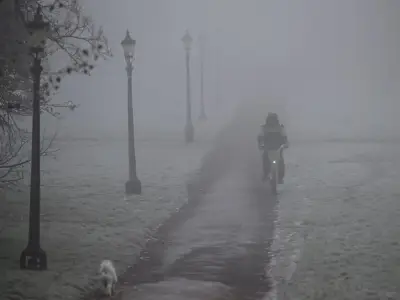
British Gas, in its advice to drivers, urges motorists to prepare their car for snow by having their brakes, heater, tyres and windscreen wipers checked to make sure they’re in good working order. It adds that in snowy conditions, drivers should keep their petrol or diesel tank half full.
It says: “Have your brakes, heater, tyres and windscreen wipers checked to make sure they're in good working order before winter.
“And if you can keep your fuel tank half full during snowy conditions, all the better.”
Why keeping the tank half full helps
The theory behind this is that it prevents condensation and fuel line freezing, and drivers will have plenty of fuel for journeys where they may end up slower than normal due to travel disruption. Using fuel to run heaters and lights means having a tank at least half full reduces the risk of running out in the snow, if travel is necessary at all.