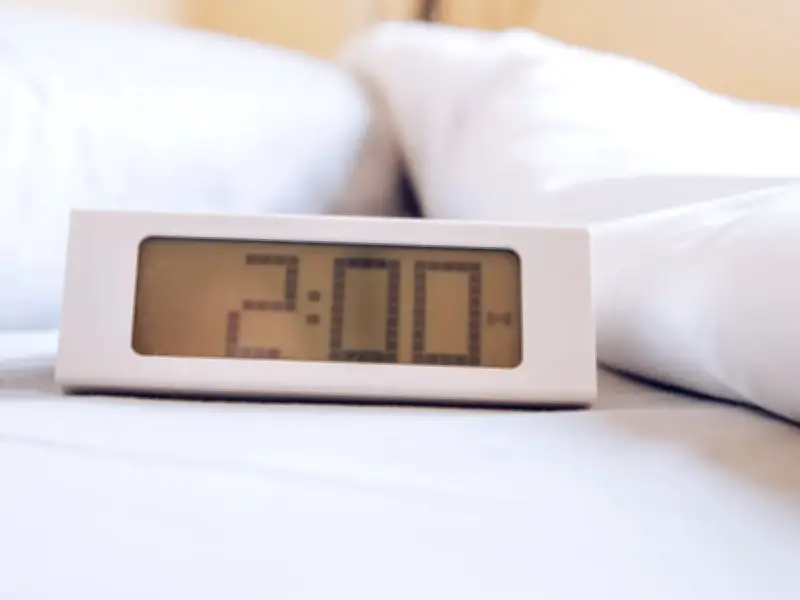
The clocks will go back on Sunday, October 25, marking the official end of British Summer Time (BST) and the return to Greenwich Mean Time (GMT). At 2am, the time will move back by one hour, becoming 1am again.
The change takes place on the final Sunday of October each year. While it brings darker evenings and shorter days, it also offers many people an extra hour in bed.
Devices and manual clocks
Most modern devices, including phones, computers, smart TVs and newer cars, will adjust automatically. However, older clocks, some older cars and certain kitchen appliances such as microwaves and ovens may need to be changed manually.
The clocks will move forward again on Sunday, March 28, 2027, when the UK returns to British Summer Time.
Why do the clocks go back?
The idea of changing clocks to make better use of daylight dates back centuries. It was first introduced as a concept by American inventor, scientist and Founding Father Benjamin Franklin in the 18th century. The idea was later championed by British builder William Willett, great-great-grandfather of Coldplay frontman Chris Martin.
Willett became the biggest campaigner for changing the clocks, releasing a self-published pamphlet titled "Waste of Daylight" in 1907. He argued that daylight was being wasted during the summer months and that moving clocks forward would provide more usable daylight in the evening. It was also reported he wanted to make the most of longer evenings for outdoor activities, including golf.
It was not until the First World War that the UK introduced daylight saving time. In 1916, Parliament passed legislation to move clocks forward during the summer months, aiming to make better use of daylight and reduce energy demand when resources such as candles, coal and fuel were most needed for the war effort.
Impact of the change
Since then, the system has remained in place, with clocks moving forward in spring and back in autumn, with only a few exceptions such as during the Second World War.
For many, the changing of the clocks is a reminder that winter is approaching, bringing shorter days and longer nights. While the extra hour of sleep is welcomed, the change can temporarily disrupt sleep routines as bodies adjust to the new schedule, though after a few days the body begins to recognise the change.