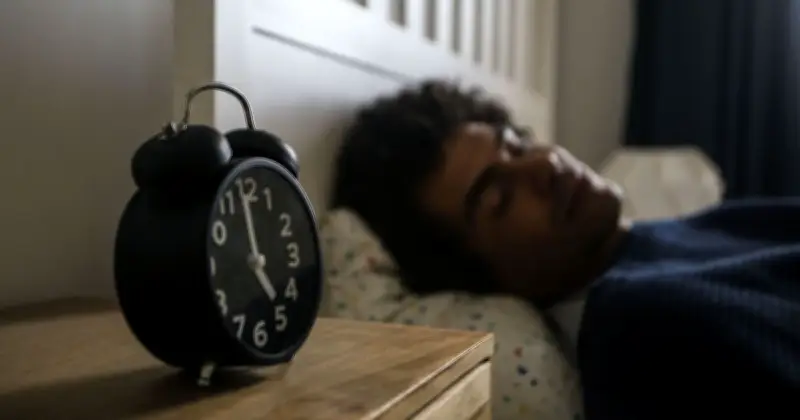
The clocks will go back by one hour at 2am on Sunday, October 25, 2026, officially marking the end of British Summer Time (BST) and the return to Greenwich Mean Time (GMT).
The nights are now drawing in as autumn takes hold, with temperatures cooling and a distinct blustery chill in the air. The first day of astronomical autumn is marked by the autumn equinox, which this year occurred on September 23.
What is the autumn equinox?
The equinox is when the Earth's axis lies perpendicular to the sun, making day and night roughly equal in length before the nights become increasingly longer than the days. It defines the transition between the seasons of the astronomical calendar, and after this point, as the northern hemisphere starts to tilt away from the sun, there is less direct sunlight, resulting in darker days and colder temperatures.
Royal Museums Greenwich (RMG) explains: "The autumnal equinox occurs in September each year, and in the northern hemisphere the date marks the end of summer and beginning of autumn."
When do the clocks change again?
The clocks won't go forward again until 1am on Sunday, March 28, 2027, with the jump forward signifying the start of British Summer Time when there's more daylight in the evenings – also known as Daylight Saving Time.
The process of changing the clocks twice a year is designed to bookend the different stages of the year and has been a practice in the UK for more than a century. It was first introduced and formalised as British Summer Time in the Summer Time Act 1916, with the change giving farmers an extra hour of sunlight during the summer months and providing a helpful boost to the agricultural sector.
How to adjust to the clock change
The move came following a campaign led by British builder William Willett in 1907 in the hope of stopping people from wasting valuable hours of natural sunlight and to help save energy. The clocks changing can cause disruption to your body clock and mood, so experts advise adjusting your bedtime by around 15 to 30 minutes each night leading up to the change to get acclimatised.
Theresa Schnorbach, sleep scientist at Emma, said previously: "Our body clocks – otherwise known as circadian rhythms – are linked to a central circuit called the suprachiasmatic nucleus (SCN), which is sensitive to light and sends signals to the brain which can have major influences on some bodily functions. This means that any change to our light exposure can disrupt our sleep-wake cycle."
"It can take some time for our bodies to catch up to these changes and can impact us physically, even affecting the regulation of our core body temperature and blood pressure."