Worm Moon to Grace UK Skies on Tuesday Evening
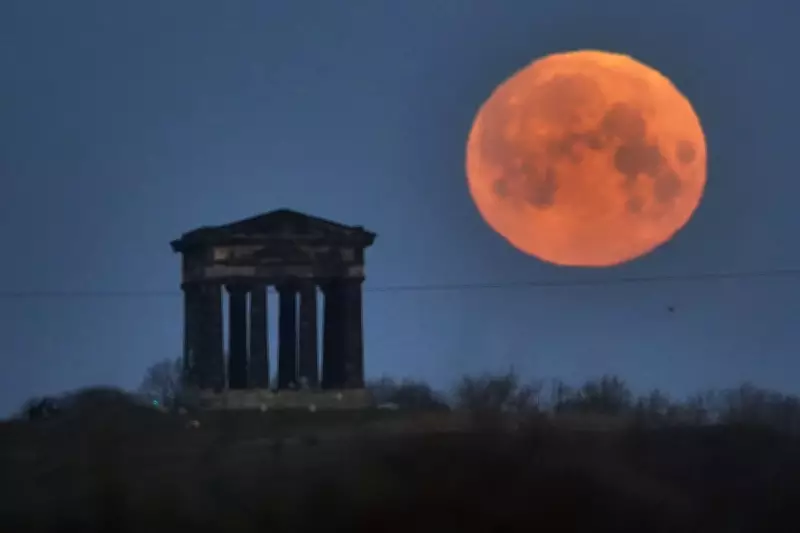
Skygazers across the United Kingdom are in for a celestial treat on Tuesday evening as the second full moon of the year, famously known as the worm moon, becomes visible in the night sky. This astronomical event marks the first full moon of spring and promises to captivate observers with its luminous presence.
Optimal Viewing Conditions in Northern Regions
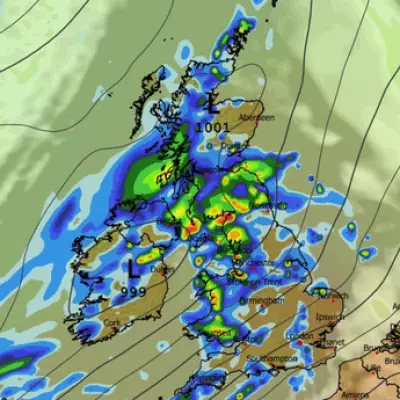
Clear skies are forecast for Scotland, Northern Ireland, and northern England, providing excellent opportunities for viewing the worm moon. Meteorological predictions indicate that these areas will experience the most favourable conditions, with minimal cloud cover allowing for unobstructed sightings.
In contrast, southern England may encounter cloudier skies, though some clear patches are expected to appear, albeit less reliably. The Met Office has noted that cloudier conditions will prevail in central regions, with some of this cloud expected to spread into Northern Ireland, northern England, and parts of southern and western Scotland during the early hours of Wednesday.

Distinction from Global Lunar Eclipse
Earlier on Tuesday, a full lunar eclipse, commonly referred to as a blood moon, created a striking red appearance of the moon in parts of Asia, Australia, North America, and South America. This phenomenon occurs when the moon aligns perfectly with Earth and the sun, causing light to scatter through Earth's atmosphere and create a reddish hue.
However, UK observers will not witness this eclipse portion, as it occurred below the horizon for the region. Dr. Ed Bloomer, senior astronomer at the Royal Observatory Greenwich, explained that while the worm moon will be visible, the distinctive red colouring associated with the blood moon will not be apparent from the UK.
Scientific Insights into the Worm Moon
The worm moon derives its name from the traditional belief that earthworms emerge from the soil to mate during the spring season, coinciding with this lunar event. This naming convention reflects the natural cycles observed in agriculture and ecology.
Dr. Bloomer further elaborated on the lunar eclipse mechanism, noting that Earth acts somewhat like a prism during such events. While most light is blocked during an eclipse, some light manages to pass through and becomes refracted, resulting in the characteristic reddening effect seen in blood moons.
Meteorological Perspectives and Viewing Advice
Dan Suri, chief operational meteorologist at the Met Office, provided detailed forecasts for Tuesday evening, emphasising that the clearest skies will be found across Scotland, Northern Ireland, and northern England. He advised skygazers in these regions to take advantage of the optimal viewing conditions.
For those in southern England, while clear skies may be less extensive, there remains a chance to catch glimpses of the worm moon through breaks in the cloud cover. Observers are encouraged to find elevated locations with minimal light pollution for the best possible viewing experience.
The worm moon represents a significant astronomical event that combines natural beauty with scientific interest, offering both casual observers and dedicated astronomers an opportunity to engage with the wonders of the night sky.