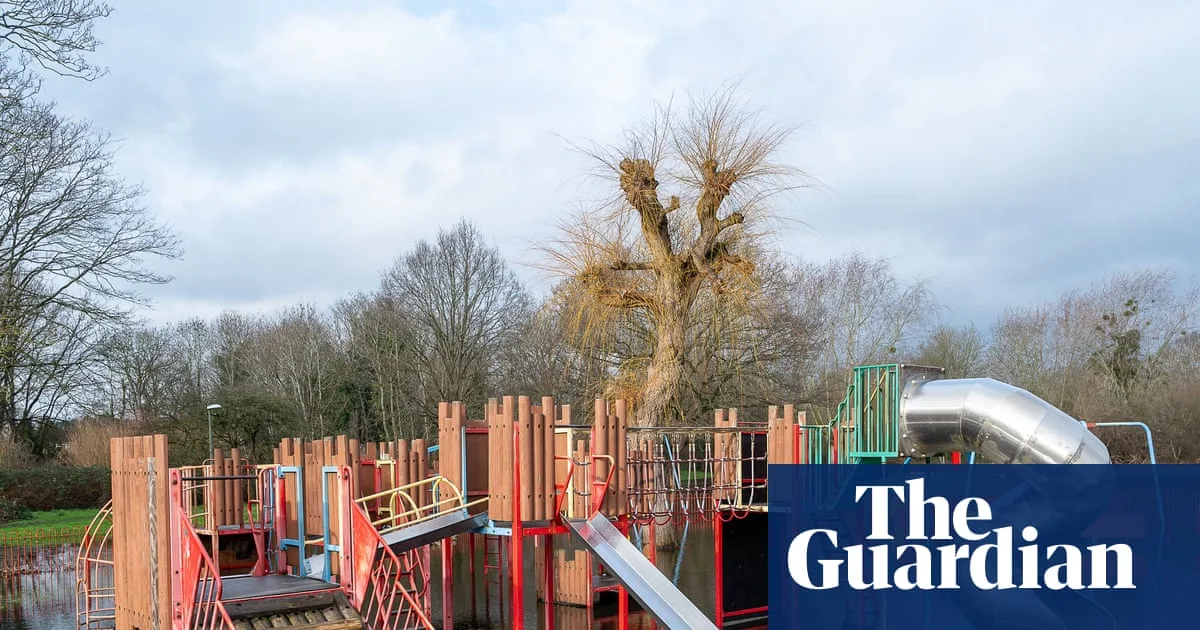
Met Office Identifies UK Towns Suffering Most From Relentless Rainfall
The Met Office has disclosed which towns across the United Kingdom have endured the most persistent rainfall during the exceptionally wet opening weeks of the year. A 'blocked pattern' in the jet stream has been responsible for delivering this sustained period of unsettled weather, leaving many Britons reaching for their umbrellas daily.
Record-Breaking Wet Sequences
Topping the unfortunate list are three locations that have all recorded an astonishing forty consecutive days of rain. North Wyke in Devon logged this lengthy wet spell from 31 December 2025 through to 8 February 2026. Cardinham, located near Bodmin in Cornwall, matched this forty-day run over precisely the same period. Astwood Bank in Hereford and Worcester also endured forty consecutive wet days from the final day of 2025 into early February 2026.
Further sites have experienced nearly as prolonged a drenching. Liscombe in Somerset and Camborne in Cornwall both recorded thirty-seven-day runs of rainfall from 3 January to 8 February 2026. Meanwhile, Wiggonholt in West Sussex has suffered through thirty-five consecutive days of precipitation.
Rainfall Totals Already Exceeding Monthly Averages
Met Office figures for February illustrate how the persistent unsettled pattern has front-loaded rainfall totals dramatically. By just 8 February, the city of Aberdeen had already reached 180 percent of its entire average February rainfall. Kincardineshire stood at 152 percent of its monthly average, with Angus at 130 percent.
Further south, the Isle of Wight had reached 108 percent of its February average by the same date, while Worcestershire stood at 103 percent. The meteorological service explained that these early-month figures show how some locations surpassed an entire month's typical rainfall within the first eight days alone.
The Meteorological Culprit: A 'Blocked' Jet Stream
The jet stream, a fast-moving river of air flowing several miles above Earth's surface, is positioned further south than typically expected for this time of year. When it shifts south across the Atlantic, it tends to funnel low-pressure systems directly towards the UK, increasing the frequency and intensity of rain-bearing weather fronts.
Cold plunges over North America have helped to strengthen the jet stream, which then propels areas of low pressure towards north-west Europe. However, high pressure has simultaneously established over parts of northern Europe, creating what the Met Office describes as a 'blocked pattern'. This has prevented the jet stream from shifting and limited the UK's opportunity for drier conditions.
The Met Office added that this blocking high has also stopped weather fronts from pushing through and clearing the UK. Instead, they have been stalling over the country, leading to persistent, slow-moving bands of rain.
Public Frustration and Social Media Lament
The soggy start to the year has taken a noticeable toll on public morale, with many Britons flocking to social media platforms like TikTok to vent their frustrations about the incessant wet weather. One user lamented the combination of grey skies, rain and cold, while another questioned whether winter was quite this depressing the previous year. A third creatively used a sound clip from the film Forrest Gump to describe experiencing every conceivable type of rainfall.
Outlook: More Rain Before Potential Brief Respite
Unfortunately, this unsettled weather is set to continue for at least the next few days. With high pressure still lingering near Scandinavia, more rain is likely, especially for southwestern regions and eastern Scotland, where further upland snow is also probable. This means some areas could see additional issues associated with saturated ground and swollen rivers.
There may be a slight improvement from next week, particularly for northern areas of the UK, which might experience slightly below-average rainfall during the second week of February. In contrast, southern parts are more likely to remain near, or slightly above, average for rainfall. However, any drier spells are expected to be fleeting, with a renewal of the familiar cycle of low-pressure systems moving in from the west likely to bring further spells of wind and rain.
The Met Office concluded that even if brief quieter periods occur, current signals suggest they may be short-lived, meaning it is not yet time to ditch the umbrella.