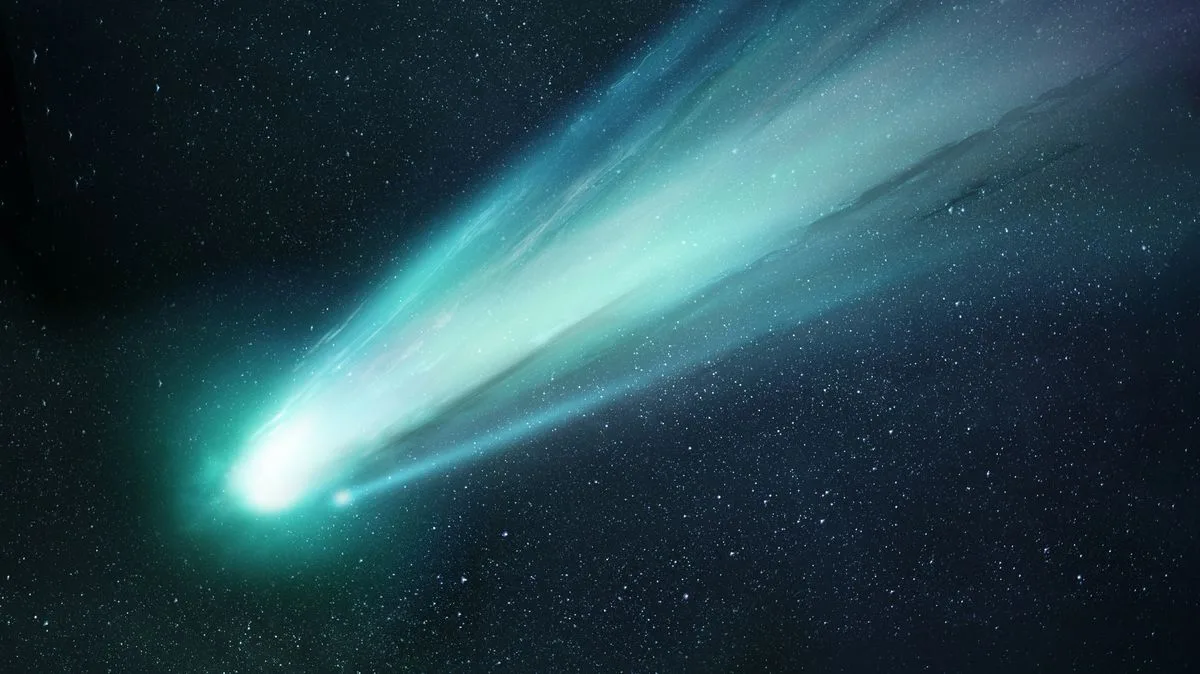
Sungrazer Comet A1 MAPS Poised to Dazzle UK Observers This Weekend
A remarkable celestial event could grace the skies over the United Kingdom at the close of this week, provided a newly discovered comet withstands an extremely close encounter with the Sun. Identified as C/2026 A1 (MAPS), this sungrazer comet was first spotted in January and is set to skim perilously close to the solar surface on April 4.
If it survives this fiery passage without disintegrating, the comet has the potential to transform into a Great Comet, shining with a brilliance comparable to Venus. While its orbital path is more favourable for viewers in the Southern Hemisphere, stargazers across the UK and the broader Northern Hemisphere still have a chance to witness this spectacle under optimal conditions.
Visibility and Viewing Windows for the Comet
Prior to Saturday, April 4, the comet will remain exceedingly faint, likely necessitating a telescope or high-quality binoculars for observation. However, from April 4 onward—dubbed The Survivor Window—if the comet endures its solar approach, it will re-emerge in our evening skies.
The prime date for viewing is projected to be April 5, assuming the comet persists, approximately 30 to 45 minutes after sunset. It will remain visible in the western skies until April 15. Although naked-eye visibility is anticipated, twilight conditions may make binoculars advantageous for a clearer sighting.
Observers should note that the comet will appear very low on the horizon, only about 5–10 degrees above it. This necessitates an unobstructed view toward the west, free from buildings or trees, to maximise viewing opportunities.
Expert Tips for Spotting the Comet and Alternative Celestial Events
To enhance your chances of observing C/2026 A1 (MAPS), consider these pro-tips:
- Seek an Elevated Location: Heading to a hill or coastal area facing west can significantly improve visibility due to the comet's low altitude.
- Minimise Light Pollution: Darker skies will allow for better observation of the comet's tail, even if the comet itself is bright.
- Monitor the SOHO Feed: On April 4, you can watch the comet's live passage near the Sun via NASA's SOHO satellite website in real-time.
For those who miss this event, another opportunity arises later in the month with Comet C/2025 R3 (PanSTARRS). From April 19 to 26, it will be visible in the morning sky before sunrise, located in the constellation Pegasus. Expected to be discernible to the naked eye, it will appear as a fuzzy star with a subtle tail.
This astronomical occurrence highlights the dynamic nature of our solar system and offers a rare chance for public engagement with space phenomena. Whether using binoculars or relying on unaided vision, enthusiasts are encouraged to take advantage of this potential celestial display.