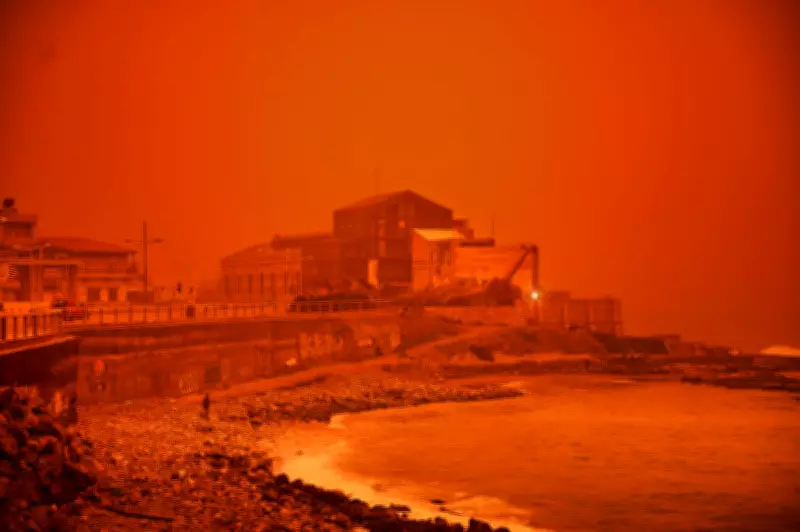
Storm Erminio Unleashes Saharan Sandstorm on Crete
Storm Erminio has unleashed a dramatic and destructive weather event across Greece, with the island of Crete experiencing an apocalyptic transformation as skies turned an eerie orange hue. This surreal phenomenon was caused by powerful winds, reaching up to force 9 on the Beaufort scale, which carried vast quantities of dust from the Sahara Desert in North Africa across the Mediterranean Sea.
Widespread Travel Disruption and Atmospheric Anomaly
The intense sandstorm forced several flights to be rerouted, significantly disrupting travel to and from Crete just ahead of the busy Easter holiday period. Ferries were also affected, with authorities imposing sailing bans from ports like Piraeus near Athens to various Greek islands. The port of Ierapetra and the city of Heraklion were notably shrouded in a thick, red haze, reducing visibility and creating hazardous conditions for residents and visitors alike.
Photographs from the event captured the stark reality of the situation: people walking through the dusty haze in Heraklion, a man jogging along the seafront against a yellow, dust-filled sky, and iconic locations like the Temple of Artemis at Vravrona half-submerged in muddy water due to accompanying heavy rains. The visual impact was profound, with the entire island appearing cloaked in an otherworldly blanket of sand.

Mainland Greece Faces Severe Consequences
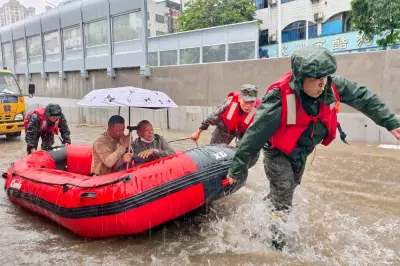
While Crete grappled with the sandstorm, mainland Greece bore the brunt of Storm Erminio's fury in other ways. The Attica region, particularly the area of Nea Makri, experienced tragic outcomes, including at least one confirmed fatality. Emergency crews were actively engaged in pumping water from flooded homes, removing debris, and repairing critical infrastructure such as split roads and damaged water pipes.
The EMY state weather service issued severe weather forecasts for most parts of the country, warning of prolonged and intense rainfall, thunderstorms, and potential localized hailstorms. This led to widespread flooding, with vineyards in Kalyvia Thorikou near Athens completely inundated and homes in suburbs like Kallitechnoupoli suffering significant water damage.
Ongoing Recovery Efforts and Meteorological Context
Crews continued to work tirelessly to restore normalcy, focusing on clearing floodwaters and fixing essential services. The storm's timing, coinciding with the pre-Easter travel surge, exacerbated logistical challenges, leaving many travelers stranded or facing cancellations. Meteorologists attribute such extreme events to complex atmospheric patterns that can transport desert dust over long distances, combined with intense low-pressure systems like Storm Erminio.
This incident underscores the increasing frequency and severity of extreme weather phenomena in the region, highlighting vulnerabilities in infrastructure and emergency preparedness. As Greece recovers, authorities remain vigilant for further weather disruptions, emphasizing the need for robust response strategies to protect communities and mitigate future risks.