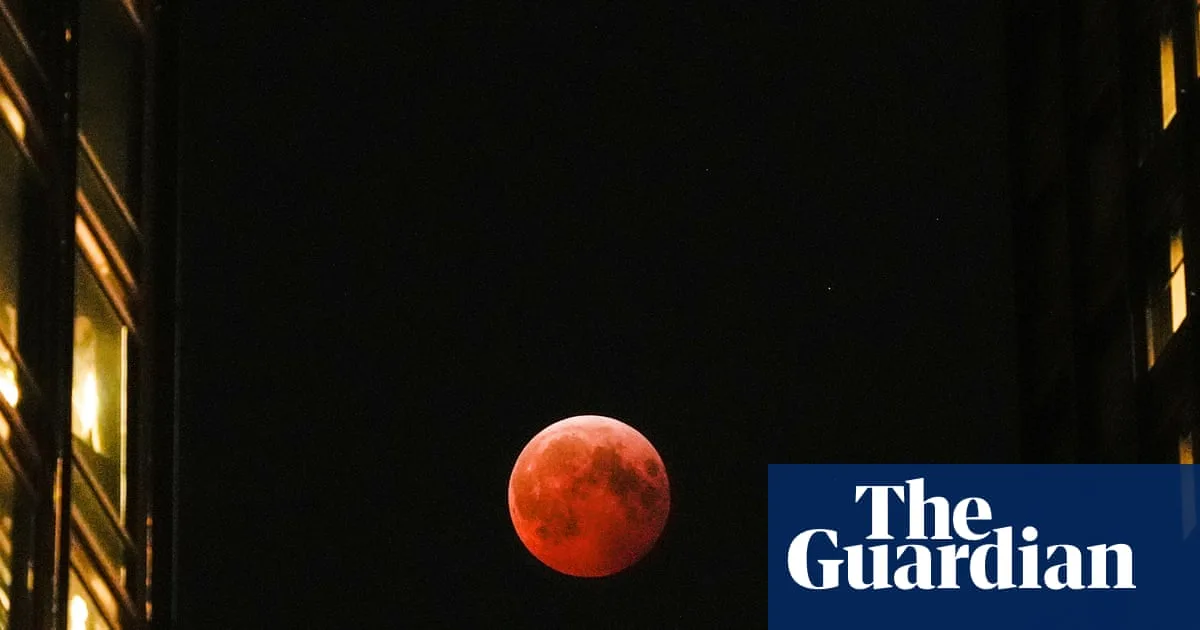
A rare 'blood moon' captivated observers across the globe on Tuesday, with striking images capturing its crimson glow at iconic landmarks from San Francisco to Beijing. During a total lunar eclipse, Earth aligned precisely between the moon and the sun, obscuring the moon from direct sunlight and casting it into a deep, dark red hue as refracted light filtered through our planet's atmosphere.
UK Skygazers Witness 'Worm Moon' but Miss Eclipse Peak
While the blood moon dazzled international audiences, UK skygazers prepared for the 'worm moon', the first full moon of spring, visible across large parts of the country on Tuesday night. However, the eclipse peaked around 11.30am UK time, meaning the moon had lost its red colour by the time it rose in British skies. Dr Ed Bloomer, senior astronomer at the Royal Observatory Greenwich, confirmed that the UK missed the eclipse entirely, as it occurred below the horizon. "You get to see the Moon tonight, but you miss the bit where it reddens," he explained.
Global Sightings and Cultural Celebrations
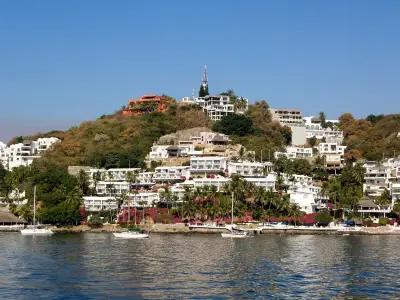
The blood moon was photographed near the Transamerica Pyramid in San Francisco and above Wat Dhammakaya Buddhist temple in Thailand, where worshippers celebrated Makha Bucha. It also appeared over Inya Lake in Yangon, Myanmar, and Ankara, Turkiye, taking on its characteristic red hue during the eclipse. Further sightings included Karachi, Pakistan, and a Women's World Cup qualifying match in Hungary, where it rose over the stadium. In Cyprus, the moon illuminated the Mediterranean Sea near Limassol, while Abu Dhabi witnessed it after a weekend of regional tensions. From Colima, Mexico to Las Vegas and Seoul, South Korea—where communities marked Jeongwol Daeboreum—the celestial event drew widespread attention, with keen moon-watchers in Oklahoma, USA, awaiting perfect shots.
Scientific Explanation and Weather Conditions
Dr Bloomer elaborated on the blood moon phenomenon, describing Earth as acting "a little bit like a prism" during the eclipse. "Most light gets blocked out, while the light that can escape is refracted, creating the red appearance," he said. The worm moon, meanwhile, derives its name from worms emerging from soil to mate in spring. Dan Suri, chief operational meteorologist at the Met Office, noted that skies were clearest in Scotland, Northern Ireland, and northern England, with patchier conditions in the cloudier south. Some cloud spread into these regions early Wednesday, affecting visibility.
Future Eclipses and Safety Notes
The Royal Observatory Greenwich announced that the next partial lunar eclipse will occur in August this year. Unlike solar eclipses, lunar eclipses are safe to view directly, as the moon's reflected light is far less intense than the sun's. Lunar eclipses happen when Earth lines up directly between the sun and the moon, casting its shadow on the lunar surface. These events can last several hours, though total eclipse phases rarely exceed 100 minutes, and at least two occur annually. When combined with a Super Moon—where the moon is closer to Earth and appears brighter—the result is a 'Super Blood Wolf Moon', a rare and spectacular sight.