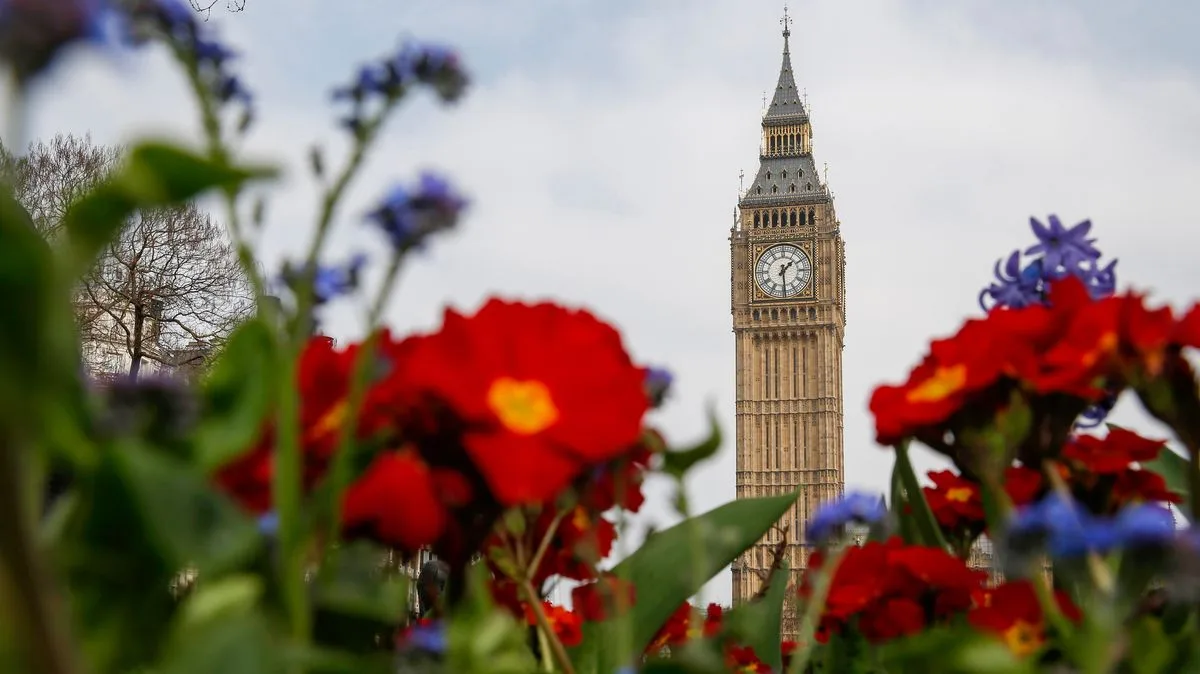
The clocks will spring forward on March 29, 2026, marking the start of British Summer Time (BST) until October 25. While many anticipate the extra hour of evening daylight, a lesser-known phenomenon means the days gradually lengthen throughout March by nearly four minutes each day.
According to Timeanddate.com, daylight increases by just under four minutes daily during March. In London, for example, March 1 sees sunrise at 6:45am and sunset at 5:40pm, providing 10 hours, 54 minutes and 53 seconds of daylight. By March 28, the day before BST begins, sunrise is at 5:45am and sunset at 6:26pm, totalling 12 hours, 41 minutes and 50 seconds of daylight.
After the clocks change, on March 31, the sun rises at 6:38am and sets at 7:32pm, giving 12 hours, 53 minutes and 41 seconds of daylight. The days continue to lengthen into summer, with the June solstice on June 21 offering 16 hours, 38 minutes and 22 seconds of daylight in London.
The Royal Museums Greenwich notes that the clock change results in losing an hour of sleep. They explain that the practice originated from a campaign over a century ago, led by William Willett, who published a pamphlet in 1907 titled 'The Waste of Daylight'. Willett, the great-great-grandfather of Coldplay singer Chris Martin, proposed advancing clocks by 80 minutes in four 20-minute steps. Although he died in 1915, the Summer Time Act was passed a year later, establishing the current system.