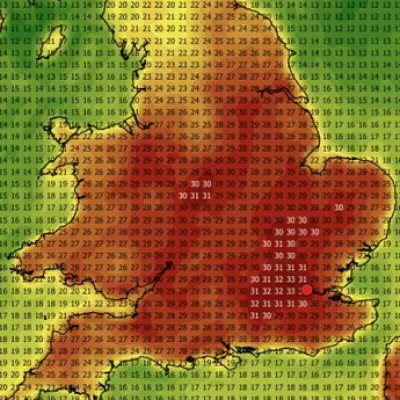
After enduring weeks of persistent rainfall and overcast skies throughout January and February, Britain is poised for a remarkable meteorological shift. The nation is bracing for an unseasonal surge in temperatures today, with forecasts predicting peaks reaching a balmy 18 degrees Celsius in southern regions.
A Welcome Break from the Relentless Wet Weather
The anticipated warm spell arrives as a welcome reprieve following months dominated by storms and grey, sun-deprived days. Yesterday provided an early taste of spring, with Epping Forest in Essex recording the warmest day of the year so far at 16.4 degrees Celsius. This mild trend is set to intensify today, with southern areas potentially hitting 18C and northern regions reaching up to 15C.
What's Driving the Sudden Warmth?
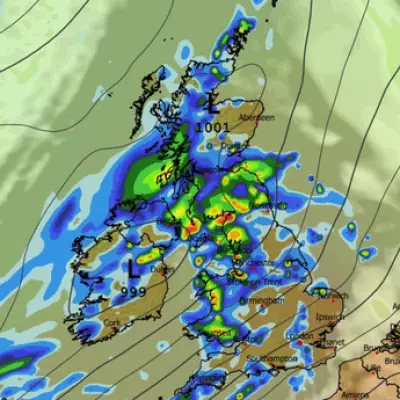
This temporary rise in temperatures is being fuelled by winds originating from the south-west, which are expected to sweep across the country over the coming days. However, this respite will be brief. Meteorological models indicate that rain will make a swift return tomorrow, particularly across northern and western areas, accompanied by extensive cloud cover. Highs are forecast to drop to around 14C in the South and 13C in the North.

The working week is predicted to conclude on an unsettled note as an area of low pressure moves across the UK. Forecasters anticipate temperatures will settle at approximately 13C in southern regions and 11C in the north as the weekend approaches.
Met Office Insights on the Warmer Trend
The Met Office has commented on the broader pattern, stating, 'Mild or very mild temperatures are likely to persist, making for a noticeably warmer-than-average end to February.' This projection offers some optimism after a winter characterised by significantly below-average sunshine and above-average rainfall.
Official data reveals that the UK has experienced just 70 percent of its typical winter sunshine so far this season. Concurrently, rainfall levels have exceeded the 30-year average, contributing to saturated ground, travel disruptions, and a pervasive sense of a winter stuck in a repetitive, damp cycle.
The Impact of Recent Severe Weather
The recent warm spell could not be more timely for many communities still recovering from a series of severe winter storms. Storms Goretti, Ingrid, and Chandra, which struck in January, left numerous coastal areas devastated, with recovery efforts ongoing in many localities.
Some regions have borne the brunt of the wet weather more severely than others. For instance, Cardinham, near Bodmin in Cornwall, endured a staggering 50 consecutive days of nonstop rain earlier this year, a testament to the relentless nature of this winter's precipitation.
Understanding the 'Blocked Pattern'
The Met Office has attributed this season's unusually wet conditions to a 'blocked pattern' in the jet stream. This atmospheric configuration has been responsible for channelling repeated bands of rain from the Atlantic onto British shores. 'For many of us, the past few weeks have felt relentlessly wet,' the agency explained, highlighting the challenges posed by the sustained precipitation.
As Britain enjoys this brief interlude of warmer, sunnier weather, residents are advised to make the most of the conditions before the return of more typical, unsettled February weather patterns.