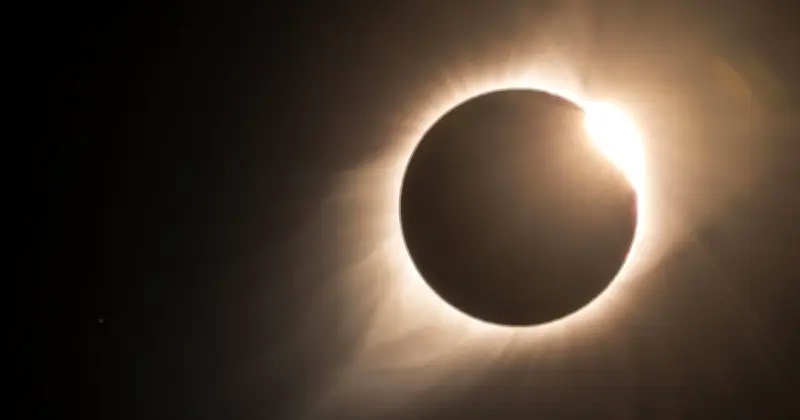
The UK is set for its deepest partial solar eclipse in nearly 30 years on August 12, 2026. The moon will cover up to 90% of the sun during the event, which begins around 6pm BST and reaches its maximum at about 7pm BST, ending around 8pm BST, though timings vary by location.
The last total solar eclipse visible from the UK was in August 1999, and the next total eclipse is not expected until 2090. According to Daisy Dobrijevic, Skywatching Editor for Space.com, this partial eclipse will be the best the UK has seen in 27 years.
How to watch the partial solar eclipse safely
Dobrijevic advised that because the eclipse occurs in the evening, the sun will be low in the western sky. She said: "Because it happens in the evening, the sun will be low to the west, so try to find somewhere with a clear view of the western horizon."
She stressed the importance of eye protection: "Remember, you'll need certified solar eclipse glasses for the entire eclipse. It's never safe to look directly at the sun without proper eye protection." Regular sunglasses are not sufficient.
What to expect during the eclipse
Royal Museums Greenwich explained that while the moon will cover most of the sun, the sky will not become completely dark. They stated: "At the maximum, enough of the Sun will be covered to make a noticeable difference in the temperature and light levels. However, unlike with a total eclipse, the sky will not become dark – it will feel more like a cloudy day or close to dusk or dawn."
For those traveling to Greenland, Iceland, or northern Spain in early August, a total eclipse may be visible in those regions. Otherwise, UK viewers should prepare for the partial event with proper glasses and a clear view to the west.