Inside the World's Wettest Town Where It Rains 11 Times More Than Glasgow
The town of Mawsynram, nestled in the verdant forests of the Khasi Hills in India's far eastern reaches, holds the extraordinary distinction of being the wettest place on Earth. With an average annual rainfall of 11,873mm, this remote settlement experiences precipitation levels that dwarf those of major cities worldwide. To put this into perspective, Mawsynram receives 22 times more rain than London, which averages just 585mm per year, and 11 times more than notoriously wet Glasgow, where annual rainfall totals 1,109mm.
A Stark Contrast to British Weather Patterns
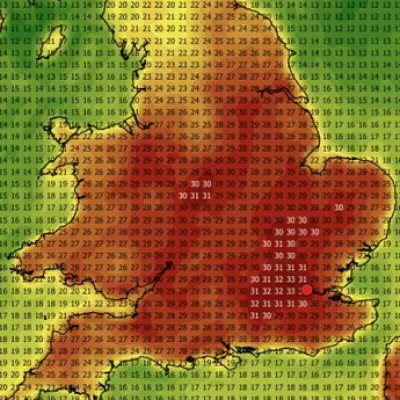
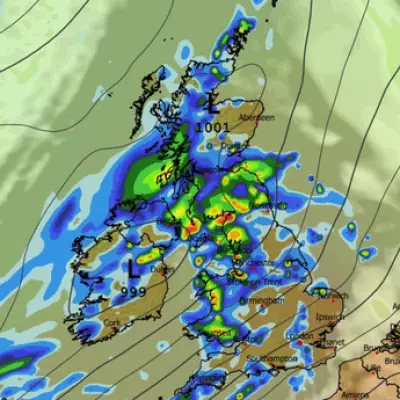
While the United Kingdom has endured a particularly miserable winter season, with Cornwall and County Down recording their wettest January on record and Northern Ireland experiencing its wettest January in 149 years, these figures pale in comparison to Mawsynram's relentless precipitation. Across the UK, 26 weather stations set new monthly records for January rainfall, with Plymouth recording its wettest January day in 104 years. February continued this trend, with southern England reaching 72% of its monthly average rainfall by February 9 alone. Yet all of this represents mere drizzle when measured against Mawsynram's extraordinary climate.
Life in Earth's Soggiest Location
Jyotiprasad Oza, a lifelong resident who guides tourists through the area with TourHQ, provides firsthand insight into existence in this perpetually drenched community. "We get about 10,000 tourists a year," he explains. "During rainy time people like to visit because it's very heavy rainfall, especially June to September." Visitors travel from across the globe, including America and Britain, to witness life in Earth's wettest inhabited location.

The rainfall in Mawsynram differs markedly from precipitation patterns elsewhere. Once the deluge begins, it can persist relentlessly for days or even weeks without cessation. Locals often rush indoors when the downpour starts, only to discover the torrent hasn't ceased for an entire week. The intensity reaches staggering proportions - during one extraordinary June day last decade, a remarkable 1,003mm of rain drenched the town, which represents double London's entire annual precipitation.
Dangers and Disruptions of Extreme Rainfall
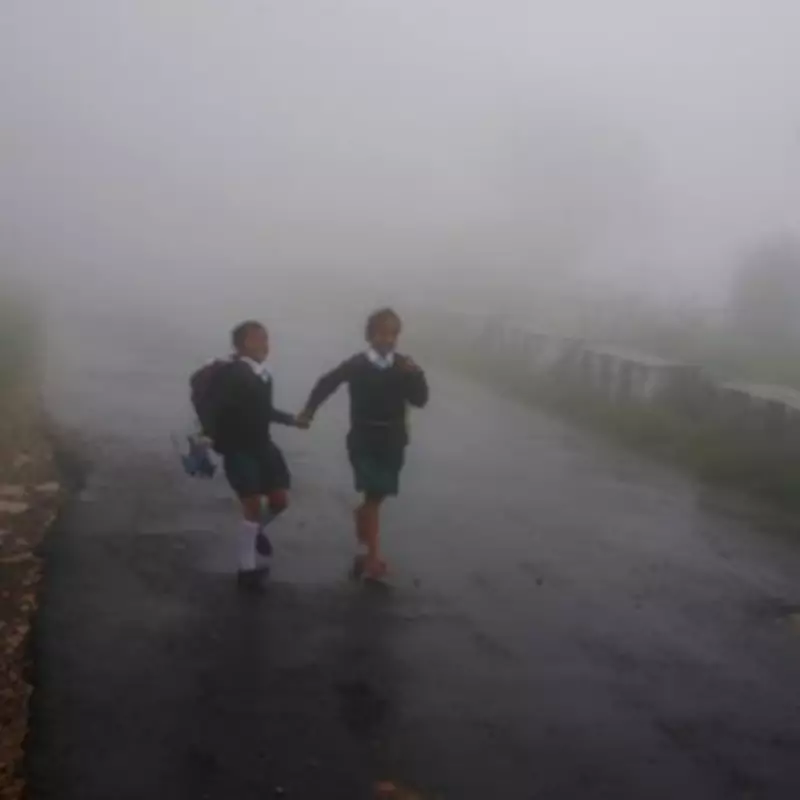
The consequences of such torrential downpours prove utterly catastrophic for daily life. "During the time of heavy rainfall, it is impossible to go outside," Jyotiprasad explains. "We can't do our daily walk. We are not supposed to go outside during the rainy time. Sometimes children can't go to school during the rain. It is quite dangerous."
When the monsoon season arrives, landslides and flooding pose severe risks to residents' safety, while power cuts become routine occurrences and fresh water systems struggle to cope with the overwhelming volume. Beyond these immediate perils, the unrelenting dampness leaves many locals yearning for drier climates. "We prefer to move to where it gets less rain," Jyotiprasad notes, adding that hardly anyone chooses to relocate to the region voluntarily.
Geographical Factors Behind the Phenomenon
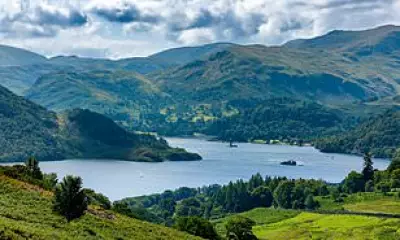
Multiple geographical factors contribute to Mawsynram's extraordinary precipitation levels. Perched 1,400 meters above sea level, the town experiences a highland climate intensified by humid, tropical air masses that sweep up from the Bay of Bengal throughout the monsoon season. The positioning of the Khasi Hills creates a natural barrier that blocks airflow from the bay, forcing moisture-laden clouds to release their contents over the region in continuous, heavy downpours.
Ingenious Adaptations to Constant Rain
Residents of Mawsynram have developed clever methods to prevent the relentless downpours from completely disrupting their daily lives. Numerous homes feature specialized soundproofing to block out the thunderous drumming of rainfall that can persist for days on end. On occasions when standard waterproof jackets and wellington boots prove insufficient, traditional full-body umbrellas known as Knups offer popular protection from the deluge. These substantial shell-shaped contraptions are skillfully fashioned from bamboo frames and banana leaves, providing comprehensive coverage against the elements.

Natural Attractions Beyond the Rainfall
While the extraordinary rainfall represents Mawsynram's primary claim to fame, the region offers additional attractions that draw visitors from around the world. The stunning scenery, panoramic vantage points, and cascading waterfalls throughout the Khasi Hills prove enormously popular with nature enthusiasts. A particular magnet for tourists are the Nohkalikai Waterfalls, ranked as the fourth tallest waterfalls globally, which showcase the region's breathtaking natural beauty even amidst the perpetual dampness.
Despite the challenges posed by living in Earth's wettest inhabited location, Mawsynram's residents demonstrate remarkable resilience and adaptability. Their unique relationship with water - both as a constant companion and occasional adversary - creates a community unlike any other on the planet, where umbrellas become full-body armor and the sound of rain provides the perpetual soundtrack to daily life.