On August 12, the UK's sky will darken as a partial solar eclipse occurs, with the deepest view since 2015. While totality will be visible in northern Spain, UK observers can still witness a significant celestial event.
Eclipse Details and UK Visibility
The eclipse will last over six minutes, making it one of the longest in recent history. In the UK, the eclipse will be partial, with the sun's disc mostly covered. According to Dr Megan Argo, a reader in astrophysics at the University of Lancashire, 'To see a total eclipse you will need to head to northern Spain, or get on a boat and head out into the Atlantic!'
For UK viewers, the eclipse's strength varies by location. Dr Argo explains, 'The eclipse will be strongest the further west and south you are, so Cardiff and Belfast will see slightly more of the sun eclipsed than either London or Edinburgh.' She recommends coastal spots: 'Having a view of the sea and the horizon to the west is ideal, so the best spots in the UK will be on the Pembrokeshire, Gower, Devon and Cornwall coasts.'
Viewing Tips and Timings
Jamie Carter, a travel and astronomy writer, notes that 'Everyone in the UK will get a very similar view,' so travelling isn't essential. He advises finding a spot with a clear horizon and checking the weather. For precise timings, Carter recommends timeanddate.com.
Partial eclipse begins at 6.17pm, maximum at 7.13pm, and ends at 8.06pm. Carter describes the maximum as a 'sad face' crescent sun. If you can't watch in person, Nasa will live-stream the event.
Safety and Aftermath
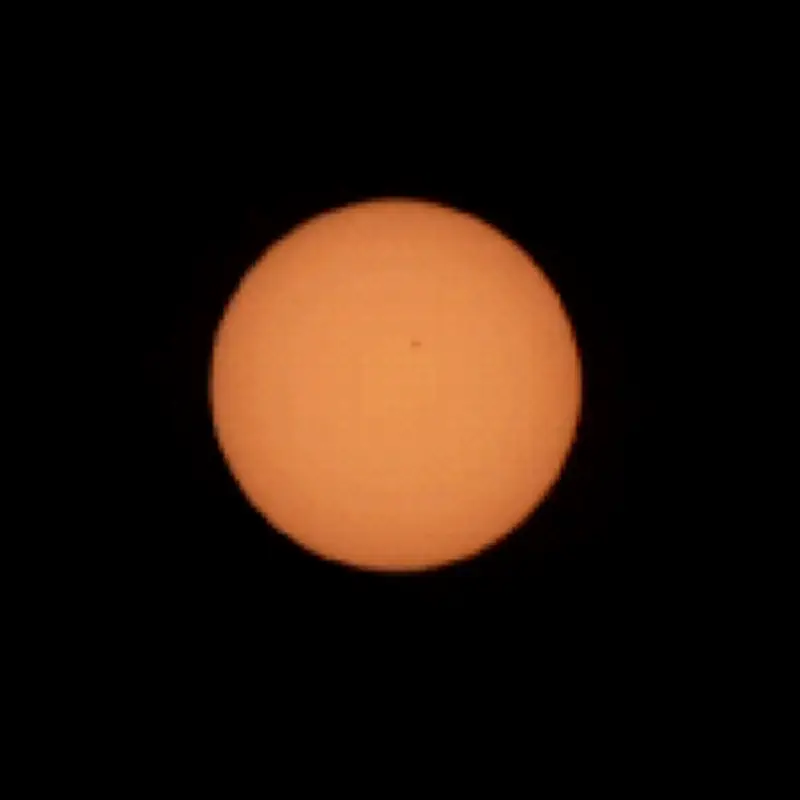
Never look directly at the sun without proper eye protection. Use solar filters for cameras, binoculars, or telescopes, or inexpensive paper viewers and glasses.
After the eclipse, the Perseid meteor shower peaks. Carter suggests looking around 2am on August 12, when you might see up to 50 meteors per hour. 'The darker your location, the more you'll see, but some Perseids can be really bright,' he adds.
The next total solar eclipse will occur on August 2, 2026, with northern Spain again the prime viewing spot. Carter notes, 'That will be the last time there's a total solar eclipse anywhere near Europe for a long time.'