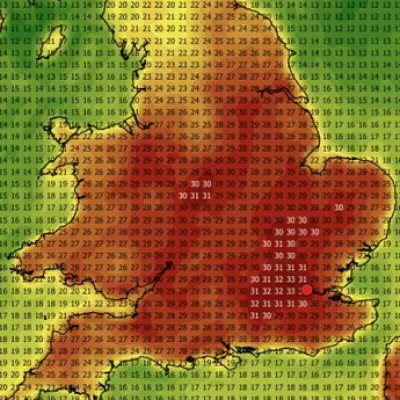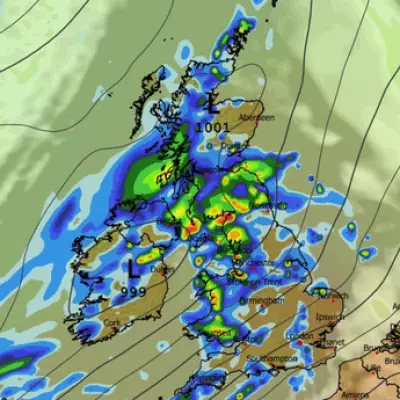
Fresh snow maps indicate that the United Kingdom is preparing for a substantial wave of wintry weather in the coming days, with forecasts suggesting up to 17 cities across England could be buried under snow. According to the latest projections from WXCharts, disruptive conditions are expected to sweep across a broad swathe of the nation on Thursday, February 19.
Met Office Issues Yellow Snow Warnings
The Met Office has officially issued yellow snow warnings for four key UK regions, effective from 4pm on Wednesday, February 18, until 6am on Thursday, February 19. These alerts cover London and the South East of England, alongside the South West, the West Midlands, and Wales. Meteorologists warn that snowfall is likely to cause significant disruption, commencing around 4pm on Wednesday and persisting through the early hours of Thursday.
Forecasted Snowfall Extent
The frosty conditions are anticipated to blanket most of Wales and extend deep into the English Midlands, with some northern areas also experiencing snowfall. As is typical, Scotland is also forecast to see snow. The maps suggest that the snow could drift slightly beyond the highlighted zones, potentially affecting additional locations.

List of Cities in the Snow Zone
The following 17 cities are projected to be within or near the snow zone on February 19, based on current forecasts. It is important to note that this is a prediction and actual conditions may vary.
- Birmingham
- Stafford
- Nottingham
- Gloucester
- Hereford
- Worcester
- Coventry
- Peterborough
- Cambridge
- Sheffield
- Derby
- Leicester
- Bradford
- Newport
- Manchester
- Leeds
- Durham
How Meteorologists Predict Snow
The Met Office outlines three primary factors considered when forecasting snow: the origin of the air mass, the intensity of precipitation, and the interaction between warm and cold air fronts. Experts explain that if air originates from a warmer region or has traversed mild waters, generating snow becomes more challenging. Conversely, air masses arriving from colder northern areas increase the likelihood of snowfall.
Most moisture in clouds initially forms as snow or supercooled raindrops, which typically melt before reaching the ground. However, during winter months, heavy precipitation can lower temperatures closer to the surface, raising the probability of rain turning into snow. Weather presenters often discuss fronts where warm and cold air meet; in winter, these fronts can introduce the necessary moisture and conditions for snow. The fine line between snow and rain is one reason why accurate snow forecasting remains difficult.
This developing weather situation underscores the importance of staying updated with official Met Office warnings and preparing for potential travel disruptions and hazardous conditions across affected regions.