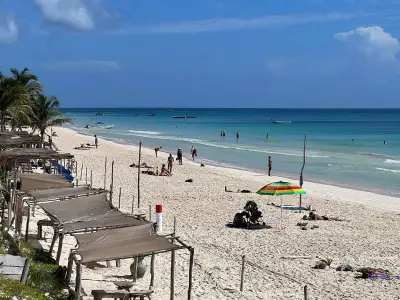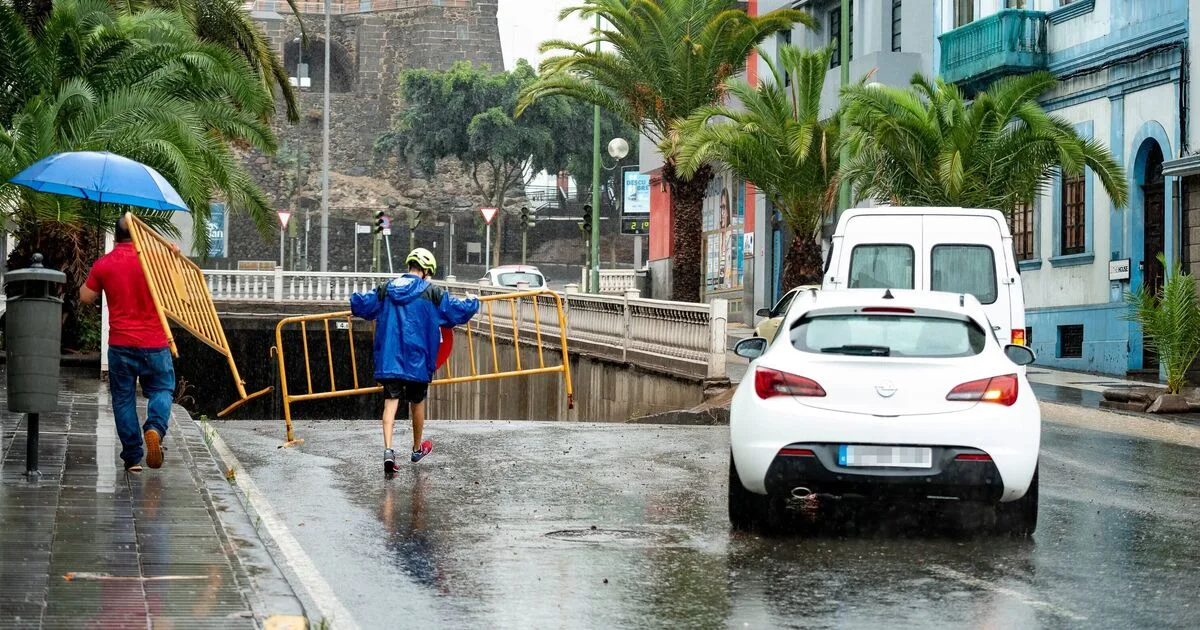
Extreme weather conditions are set to hammer the British holiday hotspot of the Canary Islands for at least five more days leading up to the Easter break, with Storm Therese creating widespread chaos across the archipelago. The severe weather system has brought heavy rainfall, significant snowfall, and powerful winds that have severely disrupted both travel and daily life throughout the region.
Travel Disruption and Flight Cancellations
Strong winds have left thousands of travellers stranded, with more than forty flights cancelled on Wednesday and Thursday alone. The severe weather has already caused major disruption to air travel, with at least seven flights cancelled or diverted on Thursday following thirty-six cancellations the previous day. This has resulted in thousands of passengers being left stranded at airports across the islands.
Mountain Snowfall and Weather Alerts
More snow is expected in Tenerife after the mountains in Teide National Park were blanketed in white on Thursday. Forecasters have issued warnings of further snowfall above altitudes of 1,800 to 2,000 metres. Authorities have activated orange and yellow alerts for heavy rain, storms, flooding, and high waves across the region.
Dramatic footage has shown seawater surging beyond the coastline and flooding roads, while other visuals shared by stunned tourists reveal Mount Teide dusted in snow. This has transformed the usually sun-soaked island into a wintry landscape at higher altitudes, creating an unusual sight for visitors accustomed to the region's typical climate.
Dramatic Sea Rescue Operation
A particularly dramatic sea rescue unfolded off the coast of Tenerife on Friday afternoon when sailors required airlifting to safety after becoming trapped in dangerous conditions. The incident occurred near El Médano beach at approximately 2:20 pm when a sailing boat was caught in powerful waves and fierce gusts, leaving those on board unable to manoeuvre the vessel effectively.
At least one crew member was reported to be in serious difficulty, with rough seas preventing conventional rescue boats from reaching the distressed vessel. A Maritime Rescue helicopter was deployed as the only viable option, with crews carrying out a complex evacuation under particularly challenging weather conditions.
Infrastructure Damage and Emergency Response
Gusts have exceeded 74 miles per hour in some locations, while relentless downpours have triggered flash flooding and landslides according to local reports. In Gran Canaria, heavy rain caused the partial collapse of a twenty-metre wall in Playa del Aguila, while other areas experienced flash flooding and debris blocking major transportation routes.
Emergency services have been dealing with numerous incidents including fallen trees, power blackouts, and damaged buildings. Construction materials and fencing have been blown to the ground by the powerful winds, creating additional hazards throughout affected communities.
Emergency Measures and Closures
Authorities in Tenerife activated the island's emergency plan on Wednesday, resulting in road closures, banned hiking routes, and the complete closure of Teide National Park. Schools, nurseries, and day care centres were also forced to close their doors, with services for elderly residents suspended as a precautionary measure.
Local officials in Valsequillo reported several emergency incidents on Friday, urging residents to exercise extreme caution as weather conditions continued to worsen. Roads have been blocked across various parts of the islands, including key routes between San Mateo and Valsequillo.
Forecast and Continued Disruption
Spain's State Meteorological Agency (AEMET) has warned that some areas could experience more than a year's worth of rainfall in just a few days. Forecasters indicated that the storm was expected to reach its most intense phase, with up to 100 millimetres of rain forecast within just twelve hours alongside strong winds and rough seas.
While conditions are expected to ease slightly into the weekend, significant disruption will continue with further heavy rain, gusts reaching up to 90 kilometres per hour, and waves still expected to reach heights of up to five metres. The severe weather is anticipated to continue into next week, with conditions already worsening in some areas according to local reports.
Safety Warnings and Historical Context
Residents and tourists have been strongly urged to avoid unnecessary travel, exercise caution in coastal and mountainous areas, and follow advice from local authorities as Storm Therese continues to sweep across the region. The storm has been described as the worst weather system to hit the Canary Islands in more than a decade, with the Spanish destination remaining under an orange weather alert after days of wild conditions.
Local reports indicate that the combination of torrential rain and snow has forced multiple road closures and triggered landslides in several areas. Emergency services remain on high alert as they respond to the ongoing crisis, with the situation expected to evolve over the coming days as Storm Therese maintains its grip on this popular British holiday destination.