A powerful 7.4-magnitude earthquake struck Indonesian waters on Thursday morning, resulting in at least one fatality, damaging multiple structures, and prompting a tsunami alert that has since been lifted. The quake, centred in the Molucca Sea at a depth of 35 kilometres, caused strong shaking felt across coastal regions and triggered small tsunami waves recorded in both Indonesia and the Philippines.
Tsunami Waves and Immediate Impact
According to Indonesia's Meteorology, Climatology and Geophysics Agency, tsunami waves were detected at monitoring stations less than half an hour after the main quake. In Bitung, waves reached 20 centimetres in height, while in West Halmahera, they measured 30 centimetres. The Pacific Tsunami Warning Center in Honolulu reported waves of 5 centimetres in Davao, southern Philippines, but confirmed no threat to more distant areas approximately three hours post-earthquake.
Damage and Casualties Reported
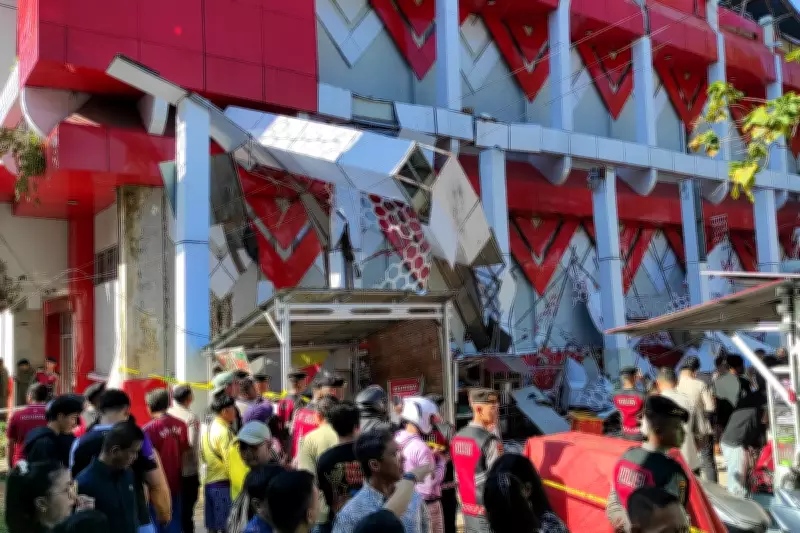
Indonesia's Search and Rescue Agency confirmed the death of a 70-year-old woman in North Sulawesi's Minahasa district, with another resident injured. Initial assessments by the Disaster Management Agency revealed light to moderate damage in parts of Ternate city, including one affected church in Batang Dua Island district and two damaged houses in South Ternate. Damage evaluations in Bitung are ongoing, with residents reporting intense shaking lasting 10 to 20 seconds.

Official Warnings and Aftershocks
Disaster Management Agency spokesperson Abdul Muhari urged continued caution, particularly for coastal communities, advising residents to avoid beaches until an official all-clear is issued. At least two aftershocks were recorded offshore following the main quake, both felt in affected areas but deemed to have no tsunami potential. Authorities have lifted broader tsunami warnings, though local vigilance remains advised.
Resident Accounts and Geological Context
Bitung resident Marten Mandagi described the experience, stating, "We had just woken up and suddenly the earthquake hit... we all ran out of the house. The shaking was very strong." He noted no immediate damage in his area but emphasised ongoing checks. Indonesia, an archipelago of over 280 million people, is situated on major seismic faults, making it prone to frequent earthquakes and volcanic eruptions, underscoring the region's vulnerability to such natural disasters.