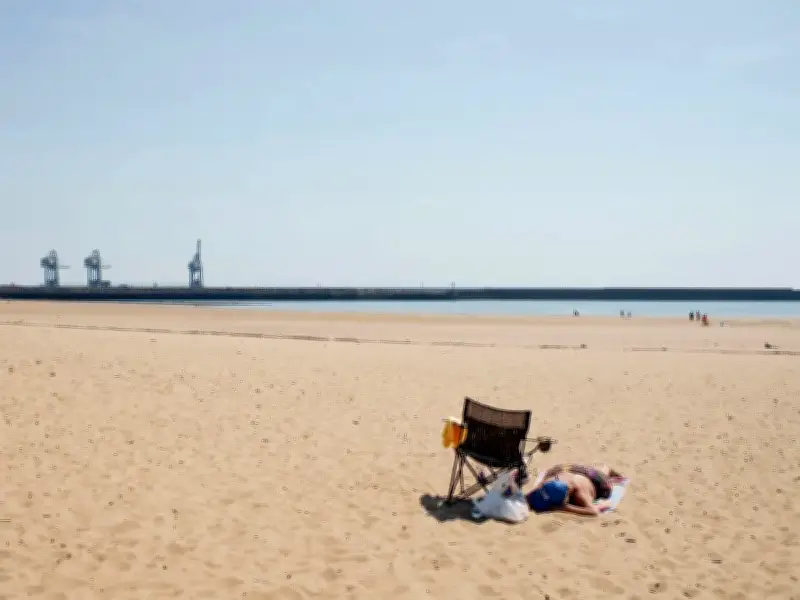
The Royal National Lifeboat Institution (RNLI) has issued an urgent warning for people heading to the Welsh coast as temperatures are set to soar and spring tides increase the risk of people being cut off by the sea. The Met Office has issued an amber warning as Wales faces its fifth heatwave of the year, with temperatures set to reach 34C on Wednesday and Thursday.
Dangerous conditions ahead
The charity is warning that the combination of high temperatures and spring tides could create dangerous conditions for people visiting beaches, coastal paths and tidal areas. Spring tides bring a greater difference between low and high water, meaning the sea can come further inland and move faster than during smaller tides.
Tirion Dowsett, RNLI Water Safety Delivery Support, said people could find themselves stranded surprisingly quickly. “On bigger tides, places will be cut off by the tide more quickly than normal and places usually unaffected by the tide may also be cut off,” she said.
Safety advice for coastal visitors
The RNLI is advising anyone planning a coastal trip to check tide times before setting out and to allow plenty of time to return safely. Visitors are also being urged to pay attention to safety signs and seek advice from people who know the area. RNLI lifeguards can provide information about local conditions and potential tidal hazards.
“It’s hard to imagine how walking near the coast can turn out to be such a dangerous activity,” Ms Dowsett said. “Check the tide times at the start of your day, keep an eye out for the incoming tide and leave enough time to return safely.”
She also urged people to carry a fully charged mobile phone and said anyone who gets into difficulty should call 999 and ask for the Coastguard.
Cold water danger
The RNLI is also reminding people that hot weather does not make the sea safe from the dangers of cold water shock. Even during a heatwave, sea and open-water temperatures can remain cold enough to trigger an involuntary response, including uncontrollable gasping, a rapid increase in heart rate and panic.
The charity advises people entering the water to do so slowly, allowing their bodies to acclimatise. Anyone who unexpectedly finds themselves in difficulty in the water should “Float to Live” rather than immediately trying to swim. That means tilting the head back with the ears submerged, relaxing and trying to breathe normally, while gently moving the hands and legs to stay afloat. Once breathing is under control, people should call for help or swim to safety.
Lifeguarded beaches and rescue advice
The RNLI says the safest place to swim is a lifeguarded beach, with swimmers advised to stay between the red and yellow flags. A number of beaches across the Vale of Glamorgan, Bridgend, Swansea, Pembrokeshire, Ceredigion and Denbighshire now have full-time lifeguard cover between 10am and 6pm.
The charity is also reminding people of its advice for helping someone else in trouble: Phone, Float, Throw. Call 999 or 112 and ask for the Coastguard, tell the person in difficulty to Float to Live, and throw them something that will help them stay afloat, such as a lifebuoy.
With beaches expected to be busy during the hot spell, the RNLI says a few minutes spent checking tide times and local safety advice before setting out could prevent a day at the coast from becoming an emergency.