Hay Fever Misery Intensifies as UK Warmth Sparks Pollen Explosion
The recent burst of sunny weather following weeks of relentless rain has delivered a double-edged sword for hay fever sufferers across the United Kingdom. While the warmth lifts spirits, it has also jolted pollen counts upwards, triggering familiar symptoms like itchy eyes and incessant sneezing that have forcefully re-entered daily life for many.
Tree Pollen Peaks Amid Sudden Temperature Shift
The abrupt change in conditions has spurred tree pollen production back into action after a dormant winter period. According to the Met Office, tree pollen affects approximately a quarter of all hay fever sufferers, with alder and yew pollen dispersing prominently at this time of year. In the past ten days, alder pollen levels have surged to 'very high' readings.
Plant pathologist and aerobiologist Professor Jonathan West explained to The Telegraph that the warm weather has suddenly intensified pollen release from trees by accelerating flower development. He noted, 'The conditions of dry, sunny weather with a reasonable breeze are also ideal for pollen release, so I expect there would have been quite a high peak of those tree pollens nationally today.'

Dr Matt Smith, a senior lecturer in geography and environment at the University of Worcester, highlighted that birch pollen is similar to alder pollen, meaning those allergic to birch may also experience heightened symptoms. He further warned that the sequence of heavy rain followed by sudden sunshine has encouraged alder trees to flower, potentially making symptoms more severe throughout the entire hay fever season.
Spring Bloom Accelerates Across the Nation
Despite the challenges for allergy sufferers, the warmer conditions are heralding an explosion of spring colour across the UK. The Royal Horticultural Society (RHS) reports that late-winter flowering bulbs and shrubs, such as crocus, snowdrops, witch-hazels, and hellebores, are already in bloom at RHS gardens. They are being rapidly joined by early daffodils, camellias, cyclamen, and hyacinths due to the mild weather.
Tim Upson, RHS director of gardens and horticulture, observed that spring plants are coming into flower very quickly, predicting a 'welcome explosion of colour and new life over the next two weeks.' He added, 'At RHS Garden Wisley in particular, the lack of a prolonged cold spell in the South which would normally stall growth means that we are not even out of February yet and the hoop daffodils on the alpine meadow are already starting to emerge.'
Weather Forecasts and Record Temperatures
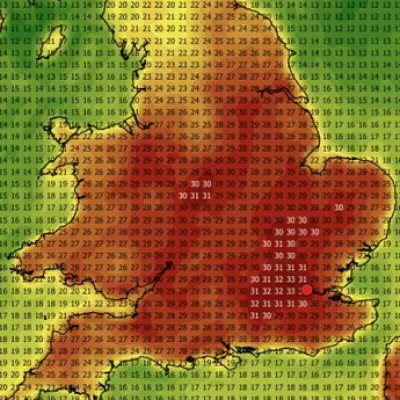
Weather forecasts indicate stable conditions with temperatures in the double figures across much of the UK into next week. In the south, highs are expected to reach 15°C on Monday with lows of 8°C at night, marking the warmest day of the coming week. Similar trends are seen in the southwest, with highs of 14°C and lows of 7°C, while Wales remains solidly in double digits. Even in Scotland, temperatures are breaching double digits, with Monday projected to be the warmest day at 12°C highs and 5°C lows.
This follows the hottest day of the year so far, recorded on Wednesday at London's Kew Gardens in Richmond, West London, where temperatures hit 18.6°C. This was warmer than cities like Athens and Barcelona and approximately eight degrees above the seasonal average. The record temperature for February in the UK stands at 21°C, set in 2019.
Hay Fever Management and Climate Impact
For those affected by hay fever, Allergy UK recommends limiting outdoor activities on high pollen days, keeping windows shut, avoiding hanging washing outside, and considering wearing a mask. Hay fever affects one in five people in the UK, with several types linked to different pollens, making it crucial to identify the specific allergy for effective treatment. Options include antihistamines, dietary changes, and natural remedies.

Scientists suggest that climate change may be influencing pollen patterns, with species like hazelnut trees blooming earlier than usual and contributing to faster-rising pollen counts. Despite the recent sunny spells, rainfall has been above the 30-year average this year, with the UK experiencing only 70% of average sunshine. This excess rain has led to ongoing flood risks, with 42 flood warnings and 85 flood alerts active across the country as of Wednesday, primarily centred in southern England in areas like Hampshire, Dorset, Wiltshire, and Somerset.
Looking ahead, grass pollen—which affects the majority of hay fever sufferers—typically starts in mid-May and peaks through July. Experts caution that the mild weather could lead to stronger grass pollen seasons, extending the period of discomfort for many. As the UK balances between vibrant spring blooms and allergy challenges, staying informed and prepared remains key for those navigating the pollen-filled months ahead.