Hawaii's Worst Floods in Two Decades Cause Extensive Damage
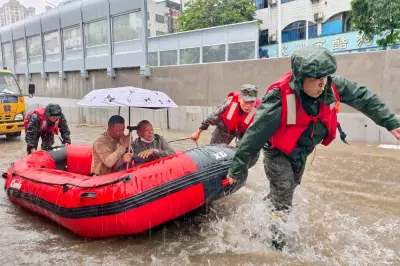
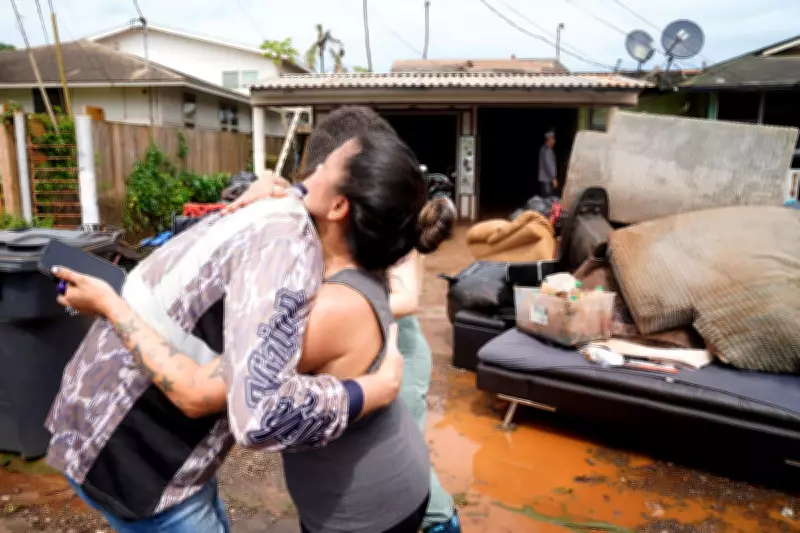
The most severe flooding to strike Hawaii in over twenty years has resulted in catastrophic damage, with homes torn from their foundations, vehicles swept from driveways, and interiors coated in dense, reddish volcanic mud. As assessment crews work to evaluate the destruction, authorities confirm that hundreds of residences, along with several schools and a hospital, have been impacted. Fortunately, no deaths have been reported, but emergency services rescued more than 230 individuals from the rising waters.
Governor Estimates Costs Could Exceed $1 Billion
Governor Josh Green has indicated that the financial toll from the storm may surpass $1 billion, encompassing damage to critical infrastructure such as airports, roads, educational facilities, and a hospital in Kula, Maui. He described this event as the state's most serious flooding incident since 2004, when similar conditions inundated homes and a University of Hawaii library in Manoa.
On Oahu's North Shore, renowned for its massive surfing waves, waters surged rapidly after midnight on Friday due to intense rainfall on soil already saturated from a previous winter storm. The violent currents displaced homes and cars, prompting evacuation orders for approximately 5,500 people north of Honolulu, although these were later rescinded. Some residents resorted to using surfboards to escape waist-high or chest-deep floodwaters.

Winter Storm Systems and Climate Change Factors
Officials attribute part of the devastation to the extraordinary volume of precipitation that fell within a short timeframe. According to the National Weather Service, certain areas of Oahu received between 8 to 12 inches (20 to 30 centimeters) of rain, compounding earlier downpours. Kaala, the island's highest peak, recorded nearly 16 inches (40 centimeters) late last week, following 26.6 inches (67.6 centimeters) from March 10 to 16.
The deluges over the past two weeks were driven by winter storm systems known as "Kona lows," characterized by southerly or southwesterly winds that transport moisture-rich air. Experts note that the intensity and frequency of heavy rainfall in Hawaii have increased due to human-induced global warming. By Sunday afternoon, the worst of the storms had subsided.
Volunteers Mobilise for Mud and Debris Cleanup
Emergency crews are still determining the full extent of the damage, but Oahu's Department of Emergency Management has received over 400 reports of homes being damaged or destroyed, as stated by spokesperson Molly Pierce. In some neighbourhoods, residents must wade through silt reaching knee-deep or higher to access their properties.
The mud, with its rusty hue from oxidized iron in volcanic soil, presents significant cleanup challenges. Pierce explained, "When it's dry, the dust stains, and when it's wet, the mud clings," likening it to heavy, wet snow. Volunteers from across Oahu and other islands have been arriving to assist with removing muck and debris.
Concerns Over Aging Wahiawa Dam Persist
As floodwaters rose on Friday, officials issued warnings that the 120-year-old Wahiawa dam, located north of Honolulu, faced "imminent risk of failure." Although concerns diminished as water levels receded, the earthen structure, originally constructed in 1906 to boost sugar production for Waialua Agricultural Co., later a Dole Food Co. subsidiary, has long been vulnerable. It was rebuilt after a collapse in 1921.
The state has classified the Wahiawa dam as having "high hazard potential," with a failure likely to cause loss of life. Since 2009, Dole has received four deficiency notices, and five years ago, the company was fined $20,000 for delayed safety improvements. In response, Dole proposed donating the dam, reservoir, and ditch system to the state in exchange for repairs to meet safety standards. Dole stated, "The dam continues to operate as designed with no indications of damage."

How to Support Recovery Efforts
Governor Green has recommended that those wishing to aid affected households donate to the Hawaii Community Foundation, which has activated its Stronger Hawaii Fund to distribute resources across all impacted islands. Additionally, the nonprofit Hawaiian Council launched the Kako’o Oahu initiative, providing housing, financial assistance, and other support. The council matched the first $100,000 in donations and continues fundraising efforts.
Kuhio Lewis, CEO of the Hawaiian Council, emphasised, "So many families have been displaced, homes have been damaged, and communities are facing immediate needs. The path to recovery begins now—it cannot wait."