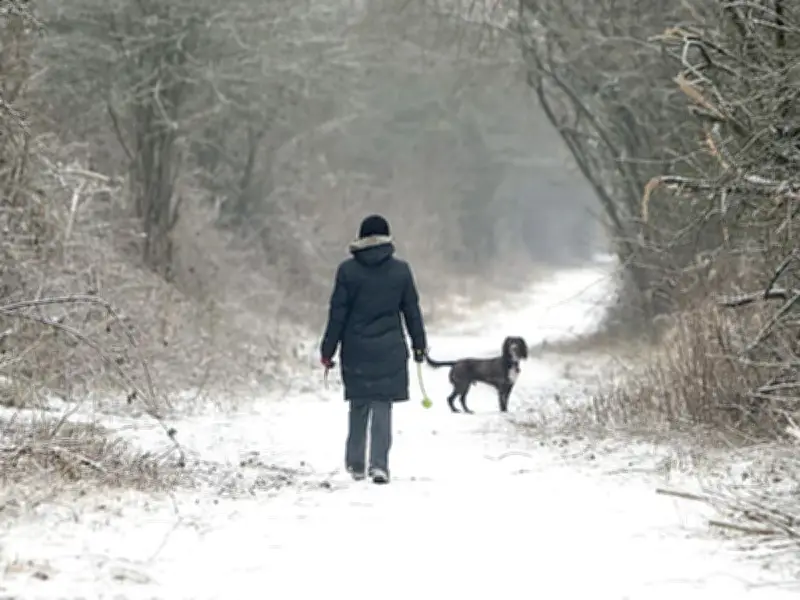
The first cold health alerts of the season have been issued for parts of England as a blast of Arctic air is set to sweep into the UK. Veterinary experts are urging dog owners to take extra care when walking their pets in colder weather.
While most dogs will cope well with lower temperatures, some are more vulnerable to the cold, particularly smaller breeds, older pets and dogs with thinner coats or less body fat. Icy paths can also increase the risk of slips and injuries, while spending too long outside in freezing conditions could leave some dogs struggling to stay warm.
Dr Shula Berg, Clinical Director at CVS Vets, shares five things owners should know about keeping their dogs safe and comfortable during winter walks.
Which dogs are most vulnerable to the cold?
While most dogs will enjoy getting outside whatever the weather, some breeds are less equipped to deal with dropping temperatures. Dogs with thinner coats and less body fat can struggle to stay warm, while smaller and older pets may need extra care.
Shula explains: “Fat is a great insulator; a thick layer of blubber is how seals keep warm in Arctic conditions. Dogs who don’t have a lot of body fat will feel the cold much more; this includes breeds like greyhounds and whippets as well as small dogs and older pets.”
Owners should also avoid assuming that breeds traditionally associated with colder climates will automatically be comfortable in freezing weather. Shula adds: "Some breeds are bred for snow, such as Huskies; however, if they have been bred in the UK, they will be as unused to cold as any other dog. Don’t assume they will have the same cold tolerance as their ancestors."
Signs your dog is getting too cold
Dogs cannot tell owners when they are feeling uncomfortable. It's important to pay attention to changes in their behaviour and body language during winter walks.
Shula advises: "Dogs mostly communicate through body language, so look out for your dog becoming quieter, and no longer wanting to sniff, chase a ball or play. Dogs will also shiver, though this can happen when they’re nervous and isn’t always due to cold. Like us, when dogs are very cold, they can look hunched over with their head tucked in to preserve warmth."
When a winter coat is needed
Some dogs will benefit from an extra layer when heading outside, particularly those with little body fat or thinner coats. However, owners should make sure any coat is comfortable and suitable for their pet.
Shula explains: "Dogs that are more likely to feel the cold, such as slim, small or elderly pets, might enjoy a warm, waterproof coat. Make sure it is properly fitted so doesn’t pull or rub while they walk, and be mindful not to buy something too thick and heavy unless your dog really needs it. If you want a coat just to help keep your dog dry, look for something thin and breathable to prevent overheating."
Don't force walks in extreme weather
While regular exercise is important for dogs, owners shouldn't feel they have to stick to their usual walking routine if conditions become particularly unpleasant or unsafe. Shula advises: "When walking in adverse weather conditions, firstly ask whether you need to go outside. If the weather is likely to be short-lived, your dog won’t suffer from a single missed walk."
She adds: "Most dogs cope absolutely fine in colder weather and will be sad to have their exercise reduced. More frequent, shorter walks might be more enjoyable for everyone than hours outside in the cold, but getting out for some vitamin D every day is still a good goal."
Cold weather can be particularly difficult for older dogs and those with existing joint problems, as lower temperatures can make stiffness and discomfort worse. Icy paths can also make it harder for dogs to keep their balance.
Shula said: "Older dogs and those known to have arthritis are likely to find cold weather much more challenging as the cold tends to make painful joints worse. If it’s icy, they are also at higher risk of slipping and becoming injured."
Owners should also be mindful of grit and road salt on pavements during winter, as these can be harmful if dogs lick them from their paws. While some owners may consider using dog boots to protect their pets outdoors, Shula says they are rarely necessary.
She adds: "I’m afraid doggy snowshoes are a bit of a gimmick and won’t be tolerated by most dogs. Their paws are designed with special thick skin to protect them, and for the amount of time most dogs will be outside in UK weather, this should be sufficient. Do be mindful of grit and road salt, which can be harmful if ingested, but rinsing your dog’s paws off at the end of a walk is often easier than wrestling shoes onto them every time you go out."