Cyclone Narelle Downgraded but Warnings Persist for Storm-Ravaged Western Australia
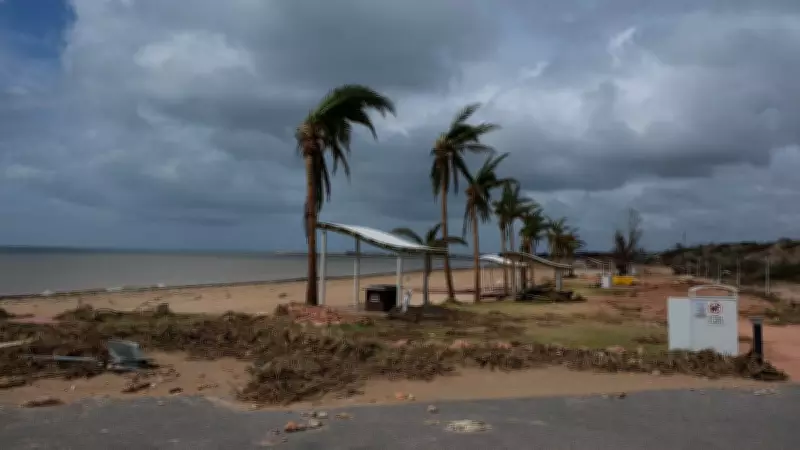
Ex-Tropical Cyclone Narelle has been officially downgraded to a tropical low, yet severe weather warnings continue to loom over Western Australia. The storm system, which battered the coast with winds exceeding 250km/h, has left a trail of destruction, impacting major gas infrastructure and forcing evacuations. Communities in Exmouth and surrounding regions are now grappling with the aftermath as emergency services work to assess the full extent of the damage.
Local Experiences and Community Impact
Zac Saber, a resident of Exmouth located 1,250km north of Perth, described a harrowing night as the cyclone struck. "The windows looked like they were going to pop, there were crazy sounds coming from the door and roof," he recounted. Saber, who manages the Minderoo Exmouth research lab, noted that while his facility escaped major structural damage, many others were not as fortunate. "No one has had a dry run," he said, highlighting widespread issues such as power outages and business disruptions.
In a dramatic incident, 50 people were forced to evacuate the town's primary evacuation centre after the building itself sustained wind damage. Reports have emerged of roofs being torn off, flooding, and even a dinghy found in a living room, illustrating the storm's ferocity.

Gas Infrastructure Hit by Outages
The cyclone's impact extended beyond residential areas to critical energy infrastructure. Four major gas projects experienced outages, including:
- Woodside's Karratha gas plant, which faced a production interruption at the North West Shelf project hub.
- Chevron's Gorgon facility on Barrow Island, where one of three LNG production trains was affected.
- Santos' Varanus Island plant, which reportedly tripped due to strong winds.
A spokesperson for the WA Department of Energy assured that gas supply remains stable, but companies are working to restore operations safely. Woodside indicated that production would recommence once offshore workforces could be mobilised, while Chevron continues efforts to restore its Wheatstone project after an offshore platform was knocked offline.
Ongoing Weather Threats and Forecast
Despite the downgrade, the Bureau of Meteorology (BoM) warns that danger persists for inland and southern districts. Senior meteorologist Angus Hines described a "really powerful weather system" continuing to lash central and southern WA through Saturday night. Forecasts include:
- Significant rainfall for the Gascoyne, central west, and wheatbelt regions.
- Cumulative rainfall likely to trigger flooding, with an additional 30mm to 70mm expected.
- Wind gusts up to 100km/h, capable of causing further damage to roofs, fences, and power lines.
Emergency warnings have been downgraded across the state, but isolated watch and act alerts remain for parts of Perth, the midwest, Gascoyne, and areas west of Onslow to Coral Bay. Residents are advised to stay away from damaged buildings due to ongoing threats.
Government Response and Recovery Efforts
Prime Minister Anthony Albanese praised emergency workers and stated that the federal government "stands ready to assist" with recovery efforts. Federal Emergency Management Minister Kristy McBain reported that approximately 2,000 homes remain without power, emphasising that while the system is weakening, significant risks from wind and rain persist.
Evacuation centres have been established in multiple locations, including Carnarvon PCYC, Shark Bay Recreation Centre, and the Ningaloo Function Centre in Exmouth. The Department of Fire and Emergency Services (DFES) commissioner, Darren Klemm, anticipates "significant" damage, with assessments ongoing in collaboration with local councils.

Climate Change Concerns and Future Implications
Saber pointed to the broader context of climate change, noting that such natural disasters are becoming more frequent and intense. "It would be remiss of me not to comment on the fact that this is the sort of thing that would become common from climate change," he said. This raises concerns for ecotourism hotspots like Exmouth, where the Ningaloo reef and local community face increasing threats from severe weather events.
As Western Australia begins the recovery process, the focus remains on ensuring safety, restoring infrastructure, and addressing the long-term environmental and economic impacts of Cyclone Narelle.