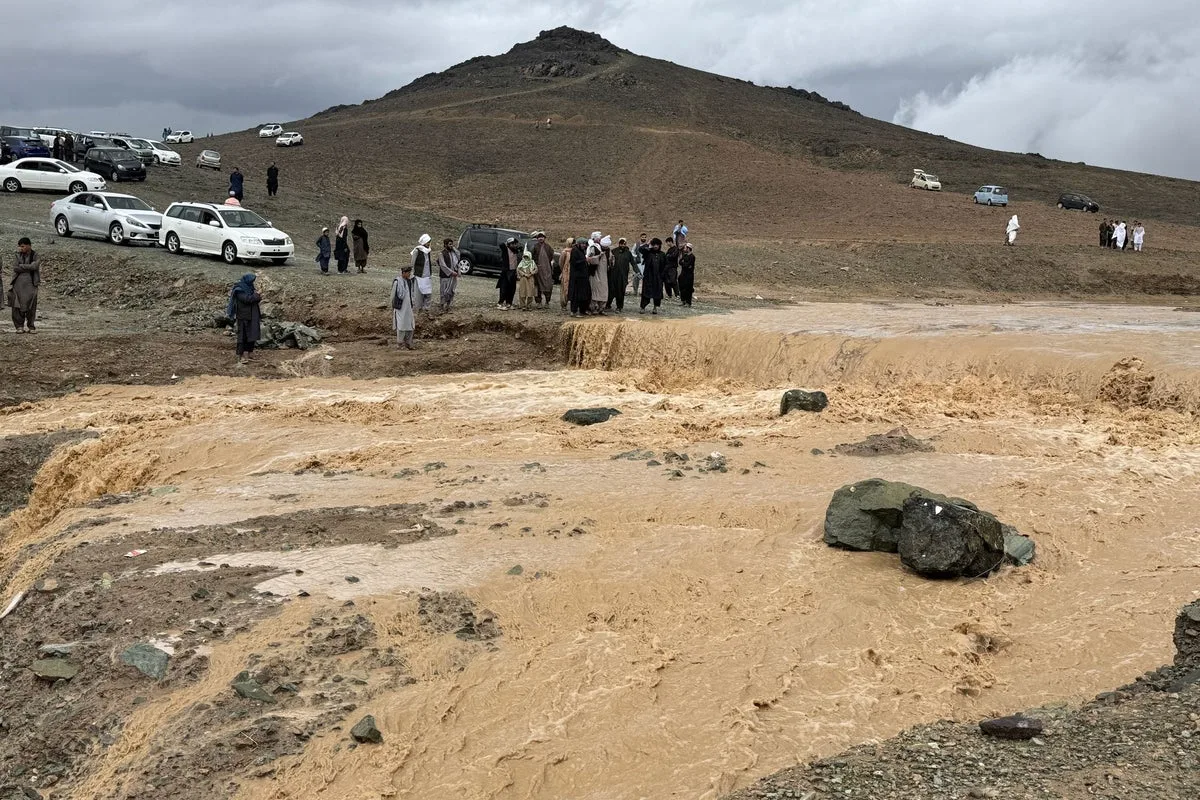
At least 22 people have died and 32 others have been injured in Afghanistan over the past two days due to heavy rains, flooding, and landslides, according to the country's National Disaster Management Authority (NDMA). The agency also reported that 241 houses were damaged across 13 provinces as torrential rains triggered flash floods and caused buildings to collapse.
An NDMA official, speaking on condition of anonymity, confirmed the toll to Reuters, noting that the worst-affected provinces include Parwan, Maidan Wardak, Daykundi, and Logar. The deaths were primarily caused by flash floods and collapsing houses in rural and mountainous regions.
The NDMA warned that weather conditions remain unstable in parts of the country, raising the risk of further rain and flooding. Afghanistan, already recovering from decades of conflict, is prone to natural disasters such as floods, droughts, and earthquakes, which routinely cause severe damage.
Earlier this year, heavy snowfall and flash floods left dozens dead. In 2024, springtime flash floods killed more than 300 people. A United Nations Development Programme report from November noted that earthquakes, floods, and drought destroyed 8,000 homes in Afghanistan in 2025, straining public services beyond their limits.
Decades of conflict, poor infrastructure, a struggling economy, deforestation, and the intensifying effects of climate change have amplified the impact of these disasters, particularly in remote areas where mud-built homes offer limited protection. The Taliban-run government, lacking formal international recognition, faces challenges in coping, especially as humanitarian aid—the backbone of state finances—has been slashed since the Taliban seized power in 2021.