Afghanistan Floods Claim 14 More Lives as Extreme Weather Worsens
Afghan authorities have confirmed that severe flooding across multiple regions has resulted in the deaths of 14 more individuals within the last 24 hours. This tragic development brings the total number of fatalities over the past five days to 42, with forecasts predicting additional heavy rainfall in the coming days.
Rising Casualties and Widespread Damage
The Afghanistan National Disaster Management Authority disclosed that thunderstorms and intense precipitation have impacted nearly every province, triggering floods, landslides, and lightning strikes. In addition to the deaths, a total of 66 people have been injured over the five-day period. The agency warned that further heavy rain is expected across the country over the next three days, exacerbating the ongoing crisis.
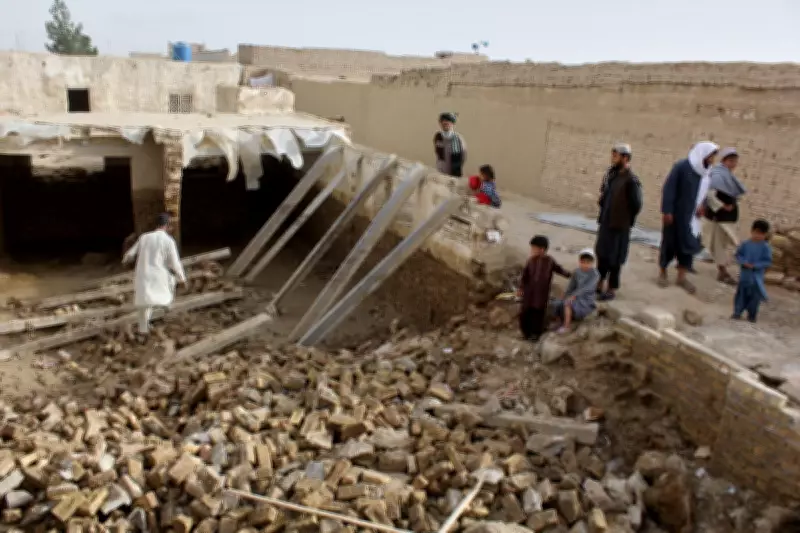
Over the last 24 hours alone, the extreme weather has partially or completely destroyed 476 homes, while also damaging businesses, agricultural land, and irrigation canals. This destruction has affected 603 families, highlighting the extensive humanitarian impact of the disaster.

Humanitarian Assessments and Historical Context
The United Nations Office for the Coordination of Humanitarian Affairs in Afghanistan reported via social media that preliminary field assessments indicate 19 deaths and more than 900 families affected by the floods. However, these figures are subject to change as evaluations continue.
This incident follows a pattern of severe weather events in Afghanistan. In January, heavy snowfall and flash floods claimed dozens of lives. The country remains highly vulnerable to such extremes, with springtime flash floods in 2024 resulting in over 300 deaths.
Underlying Vulnerabilities Amplify Disasters
Decades of conflict, inadequate infrastructure, a fragile economy, deforestation, and the escalating effects of climate change have significantly heightened the impact of these disasters. Remote areas are particularly at risk, where many homes constructed from mud provide limited protection against sudden deluges or heavy snowfall.
The combination of these factors creates a perfect storm, turning natural weather events into humanitarian crises that disproportionately affect vulnerable populations. As heavy rain continues to be forecast, the situation underscores the urgent need for enhanced disaster preparedness and climate resilience measures in Afghanistan.