Afghan authorities have confirmed a rising human cost from the severe weather battering the nation, announcing on Monday that the death toll from intense storms over the past four days has increased to 28 individuals, with an additional 49 people injured. This latest episode adds to a grim tally of extreme weather fatalities recorded in the country so far this year.
Widespread Destruction Across Provinces
The Afghanistan National Disaster Management Authority detailed that storms and heavy rainfall across several provinces have triggered severe flooding, dangerous landslides, and lethal lightning strikes. Officials cautioned that these figures are provisional and could rise further as more information becomes available from affected regions.
Substantial Infrastructure and Livelihood Damage
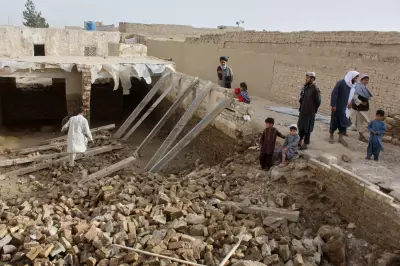
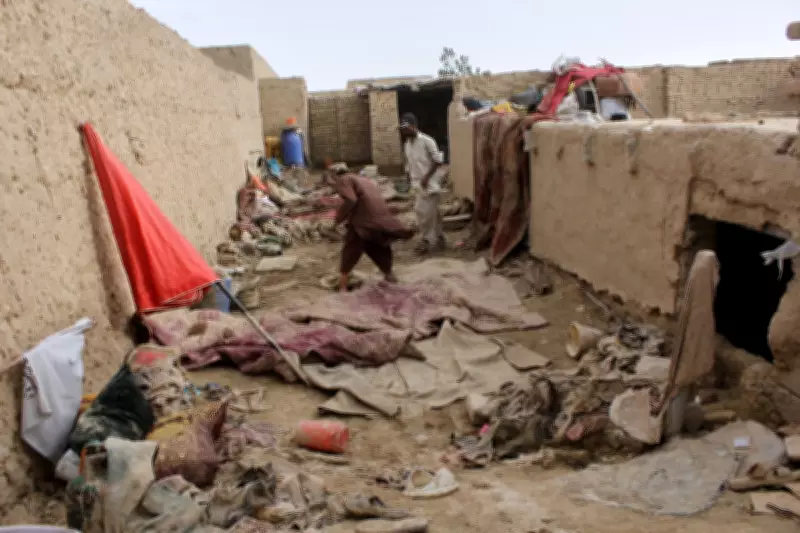
The authority's assessment reveals extensive material devastation: 130 homes have been completely destroyed, with 436 more sustaining damage. The severe weather has also killed over 240 livestock animals, wiped out 93 kilometers (approximately 58 miles) of vital roadways, and destroyed critical irrigation canals and agricultural land. In total, the disaster has impacted 1,130 families, compounding humanitarian needs.

A Recurring and Intensifying Threat
This event follows earlier tragedies this year, where heavy snowfall and flash floods claimed dozens of lives across Afghanistan. The country remains highly vulnerable to such extreme weather phenomena, with seasonal snow and rain frequently triggering flash floods that have historically killed dozens, or even hundreds, of people in single incidents. A stark reminder came in 2024, when springtime flash floods resulted in more than 300 fatalities.
Underlying Vulnerabilities Amplify Disasters
The impact of these natural disasters is severely amplified by a confluence of chronic challenges. Decades of persistent conflict, coupled with underdeveloped infrastructure, a struggling economy, widespread deforestation, and the intensifying effects of global climate change, create a perfect storm of vulnerability. This is particularly acute in remote areas, where many homes are constructed from mud and offer limited protection against sudden deluges or heavy snowfall, leaving populations exposed and recovery efforts strained.