The National Oceanic and Atmospheric Administration (NOAA) has released its forecast for the 2026 Atlantic hurricane season, predicting an above-average level of activity. The agency expects between 17 and 25 named storms, of which 8 to 13 could become hurricanes, and 4 to 7 could develop into major hurricanes of Category 3 or higher.
Key Factors Behind the Forecast
NOAA attributes the heightened forecast to several climatic factors. Warm sea surface temperatures across the Atlantic Ocean and Caribbean Sea provide ample energy for storm formation. Additionally, the anticipated development of La Niña conditions in the Pacific Ocean tends to reduce wind shear over the Atlantic, allowing storms to strengthen more easily. The combination of these conditions historically correlates with more active hurricane seasons.
Comparison to Previous Seasons
If the forecast holds, the 2026 season would be the seventh consecutive above-average hurricane season. The 30-year average for named storms is 14, with 7 hurricanes and 3 major hurricanes. Last year saw 20 named storms, including 8 hurricanes, of which 4 reached major status.

Preparedness and Warnings
NOAA emphasizes the importance of early preparation, as the season runs from June 1 to November 30. Communities along the Atlantic and Gulf coasts are urged to review their hurricane plans, ensure adequate supplies, and stay informed through official channels. The agency will provide updates throughout the season, including detailed storm track and intensity forecasts as storms develop.
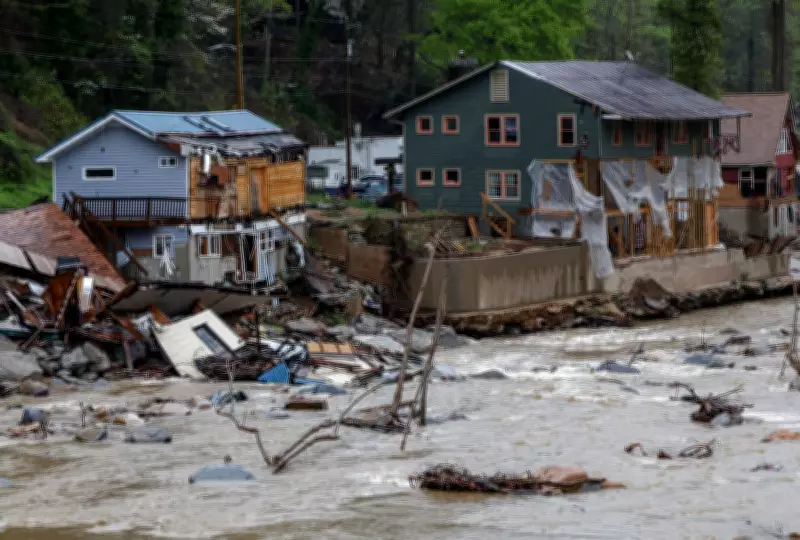
Meteorologists caution that even a single landfalling hurricane can cause devastating impacts, regardless of overall season activity. Residents in vulnerable areas should not become complacent due to the forecast numbers alone.
Technological Advances in Forecasting
NOAA continues to improve its forecasting capabilities with upgraded satellite systems and computer models. This year, the agency will utilize enhanced data from the GOES-18 satellite and new hurricane hunter aircraft instruments to provide more accurate and timely warnings.
The forecast serves as a reminder for businesses, governments, and individuals to invest in resilience measures. With climate change potentially influencing storm intensity and rainfall, adaptation efforts are increasingly critical.