Camp Mystic Director Claims He Overlooked Critical Flood Alerts Before Fatal Storm
The director of the Texas summer camp where twenty-seven campers and counselors perished in a catastrophic flood during 2025 has testified in court that he failed to observe early federal and state warnings disseminated the day before the storm struck. Edward Eastland, director of Camp Mystic, stated under oath that staff members held no meetings to discuss the imminent peril, despite being enrolled in emergency alert systems on their mobile devices.
Courtroom Drama Unfolds Amid Legal Battles and Reopening Plans
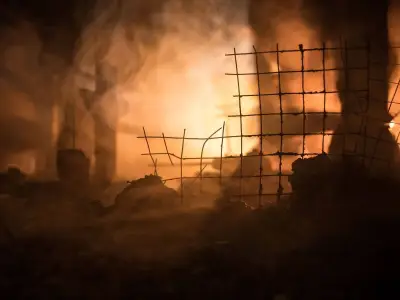
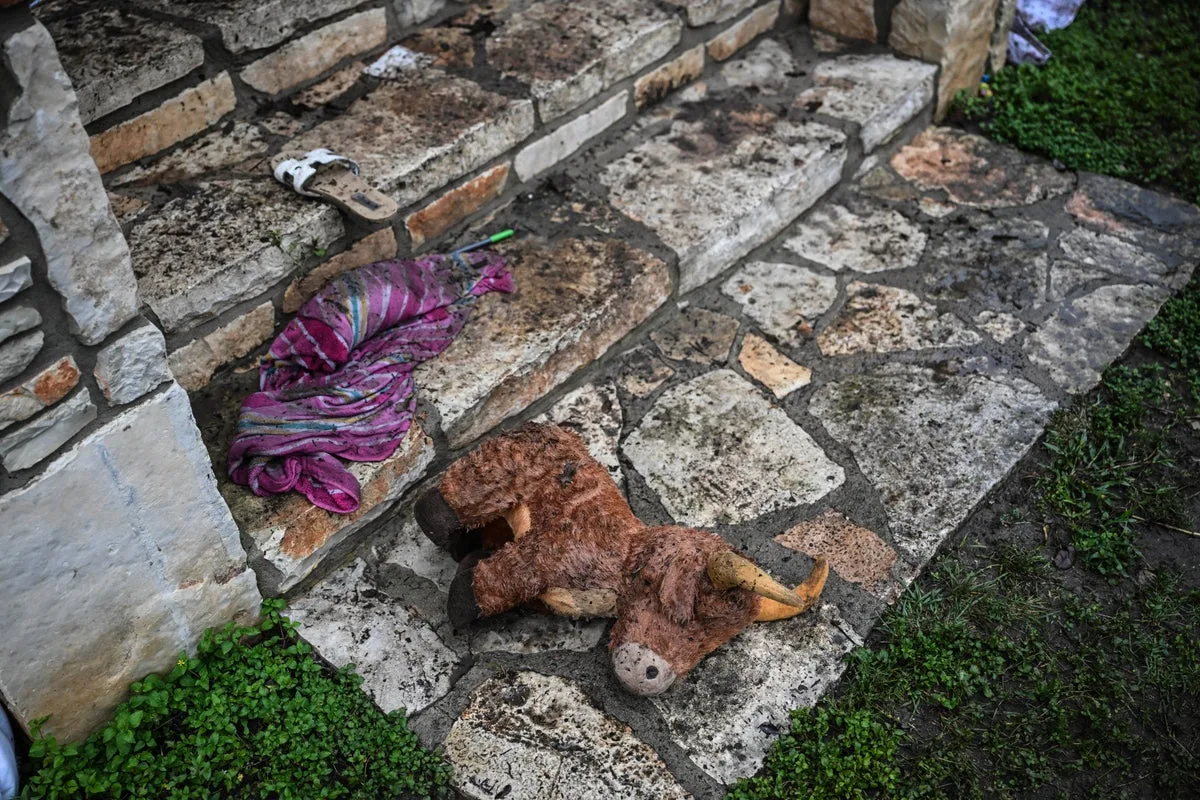
Eastland provided several hours of testimony during a packed courtroom hearing on Monday, attended by grieving families of the victims. This hearing forms part of ongoing litigation to preserve damaged sections of the camp's grounds as evidence in multiple lawsuits filed by relatives of those lost in the July 4th disaster along the Guadalupe River. A judge previously mandated the camp to maintain these areas, though operators have lodged an appeal.
This week's proceedings could yield the most comprehensive public statements from the operators of the all-girls Christian camp, coinciding with their application for a state license to reopen Camp Mystic this summer on an unaffected portion of the campus. The camp's efforts to resume operations have provoked outrage among the bereaved families and Texas Lieutenant Governor Dan Patrick, who advocates denying the license pending investigations by state lawmakers and agencies.
Missed Alerts and Communication Breakdowns Detailed
Eastland explained that he and other staff were subscribed to an emergency warning system on their phones and utilised various weather applications. However, he admitted to not seeing flood watch social media posts issued by the National Weather Service and the Texas Department of Emergency Management on July 2 and 3. He stated he did not follow these agencies on social media, believing the local "CodeRED" mobile alert system and phone weather apps sufficed.
A National Weather Service alert on July 3 urged area broadcasters to highlight that locally heavy rainfall could trigger flash flooding in rivers, creeks, streams, and low-lying areas—characteristics all present on the Camp Mystic property. Eastland noted that his father, camp co-owner Richard Eastland, usually handled weather monitoring, and he did not think staff convened a meeting about the alerts that day.
Tragic Night Recounted with Heartbreaking Details
The storms unleashed overnight, claiming the lives of twenty-five campers, two teenage counselors, and Richard Eastland. "We did not expect what was going to happen," Eastland lamented. Brad Beckworth, an attorney representing families who have sued the camp, retorted, "You were warned." Eastland faced intense questioning about the limited information available to campers and cabin counselors, as cellphones were prohibited in cabins, and only some staff carried walkie-talkies for communication.
The courtroom listened to a segment of a "Taps" video played over loudspeakers when campers retired at 10 p.m. on July 3. Eastland confirmed these loudspeakers were not utilised to broadcast a weather warning. He recounted going to bed around 11 p.m., only to be awakened by his father via walkie-talkie shortly before 2 a.m., alerting him to heavy rain and the necessity to relocate canoes and water equipment from the riverfront.
Eastland asserted he never received a National Weather Service flash flood warning at 1:14 a.m. and slept through a contemporaneous CodeRED alert text specific to his area, which cautioned of a flood event potentially lasting several hours.
Families Seek Accountability as Investigations Intensify
Lawyers for the families challenged Eastland with a signed statement from a counselor who awoke during the storm and witnessed girls fleeing for shelter. "The water was rising faster than anything I have ever witnessed," the counselor wrote. Overall, the devastating floods killed at least 136 individuals along a several-mile stretch of the river, raising profound questions about the catastrophic failures that occurred.
Families of several deceased girls have sued the camp's operators, alleging officials neglected to implement essential protective measures as life-threatening floodwaters advanced. Texas health regulators disclosed last week they are probing hundreds of complaints filed against the camp owners. Additionally, the Texas Rangers are assisting in examining allegations of neglect, as confirmed by the Texas Department of Safety, though the precise scope of this elite investigative unit remains unclear.
Despite the tragedy, camp operators report nearly 900 campers have enrolled to return, highlighting the contentious divide between business aspirations and the pursuit of justice for the victims.