The second full moon of the year, known as the worm moon, has risen in the night sky, marking a celestial event that follows closely on the heels of a rare lunar eclipse. This full moon, the first of spring, is visible across the globe tonight, offering stargazers a bright spectacle despite missing out on the dramatic red hue of the recent blood moon eclipse.
A Lunar Eclipse Precedes the Worm Moon
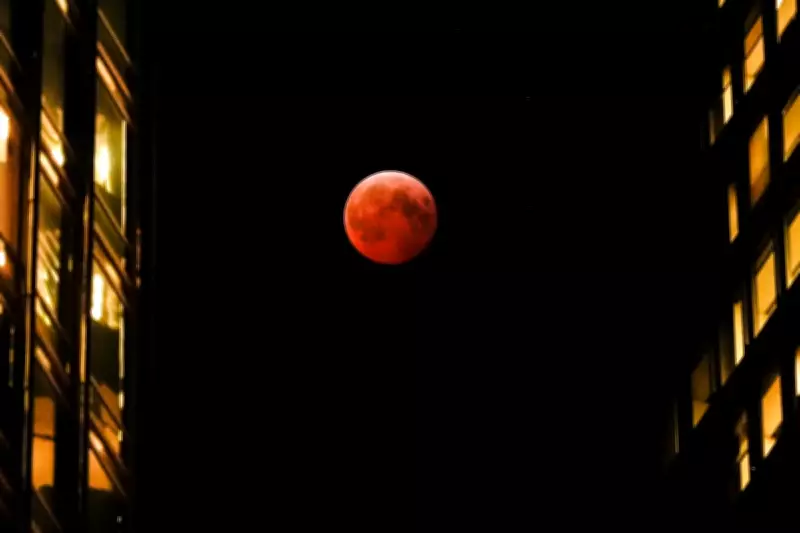
Earlier on Tuesday, the moon took center stage in the last blood moon lunar eclipse visible for years, appearing red in parts of Asia, Australia, North America, and South America. This phenomenon, where the moon aligns with Earth and the sun, causes light to scatter through Earth's atmosphere, creating the distinctive reddish glow. However, this sight was not visible in the UK and other regions due to timing issues, as the eclipse reached totality around 11.30am on Tuesday, when the moon was below the horizon.
Why the Worm Moon Lacks Its Red Colouring in the UK
Dr Ed Bloomer, senior astronomer at the Royal Observatory Greenwich, explained that in the UK, observers miss the eclipse portion entirely. "It's below the horizon for us. You get to see the Moon tonight, but you miss the bit where it reddens," he said. The worm moon, therefore, appears in its usual bright form without the dramatic colouring seen elsewhere. Dr Bloomer added that the Earth acts like a prism during such eclipses, blocking most light but allowing some to refract through, causing the reddening effect.

Origins of the Worm Moon Name
The term "worm moon" is believed to derive from the behaviour of worms emerging from the soil to mate during the spring season. This traditional name adds a touch of folklore to the astronomical event, connecting it to natural cycles on Earth.
Weather Conditions for Viewing in the UK
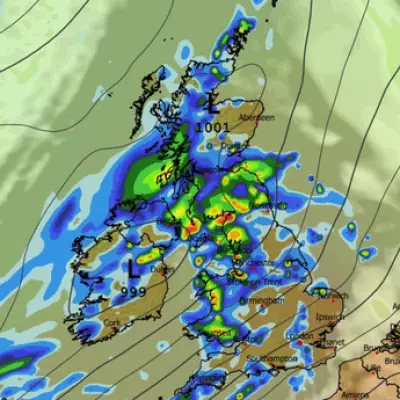
Dan Suri, chief operational meteorologist at the Met Office, provided insights into viewing conditions across the UK. "This evening, skies will be clearest across Scotland, Northern Ireland, and northern England," he said. He noted that southern England will have some clear skies, though less extensive and reliable, while cloudier conditions are expected in between, spreading into Northern Ireland, northern England, and parts of Scotland by early Wednesday.
As the worm moon shines brightly, it serves as a reminder of the celestial wonders that continue to captivate observers worldwide, even when eclipses remain out of sight for some regions.