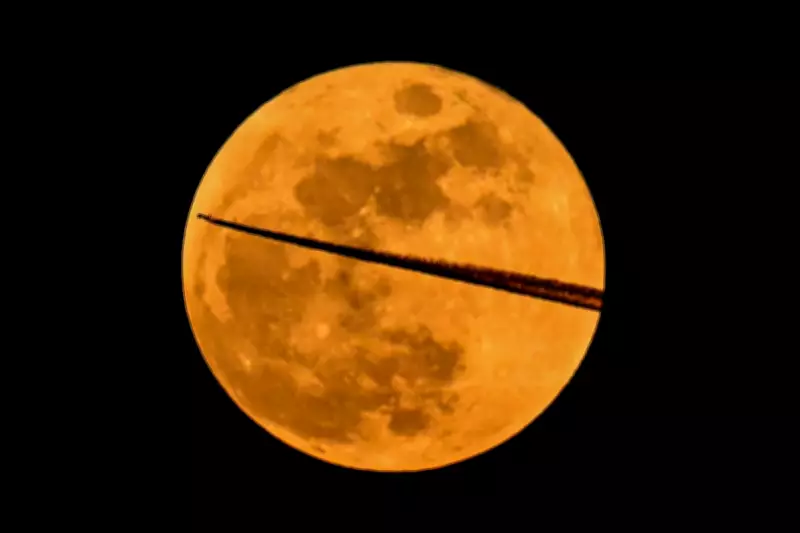
The total lunar eclipse of March 2026 captivated skywatchers around the world, with photographers capturing breathtaking images of the red blood moon. This celestial event, where the Earth's shadow fully covered the moon, resulted in a dramatic reddish hue due to sunlight filtering through our planet's atmosphere.
Global Observations of the Eclipse
Observers from various continents witnessed the eclipse, with clear skies in many regions allowing for optimal viewing. The photos highlight the moon's transformation from its usual silvery glow to a deep crimson shade, a phenomenon caused by Rayleigh scattering similar to sunsets.
Photographic Highlights from the Gallery
The gallery features a collection of the best photos, including wide-angle shots showing the moon against starry backgrounds and close-ups revealing surface details. Notable images come from locations such as Europe, North America, and Asia, showcasing the event's universal appeal.

Key moments captured include the partial phases leading up to totality and the peak of the red blood moon. Photographers used advanced equipment like telescopes and high-resolution cameras to document the eclipse, with some time-lapse sequences illustrating the moon's gradual darkening and reddening.
Scientific and Cultural Significance
This eclipse provided valuable data for astronomers studying lunar topography and atmospheric effects. Culturally, the red blood moon has inspired myths and legends across history, adding to the event's mystique.
The photos serve as a visual record for both scientific analysis and public enjoyment, emphasizing the beauty of natural astronomical phenomena. Viewers can appreciate the intricate details of the moon's surface and the ethereal quality of the red tint.
Future Eclipses and Observing Tips
While the next total lunar eclipse is scheduled for later years, enthusiasts can prepare by learning about eclipse cycles and optimal viewing conditions. Tips include finding dark sky locations and using binoculars or cameras with telephoto lenses.
The gallery not only celebrates the March 2026 event but also encourages ongoing interest in astronomy and celestial photography.