Several children swimming off the Gwynedd coastline narrowly escaped drowning after being caught in a treacherous rip current at Tywyn beach. Three local men rescued four or five youngsters in separate incidents during the scorching heatwave late last week, according to a regular beachgoer. The events have reignited demands for a lifeguarding presence at the beach, where rip currents are described as "not uncommon."
Rescues Highlight Ongoing Danger
Those involved in the rescues were "shocked" by the events on Saturday, June 27. Locals took to social media, suggesting that without their intervention, "we would be looking at another drowning." One woman posted online: "Parents need to keep an eye on their children..... sitting on the beach and oblivious to the danger their children were actually in." Another added: "Things could have gone very differently today!"
Tywyn's rip currents have caused multiple tragedies over the years. In July 2015, 74-year-old Richard Guest, a former bank manager from Bethel, died after saving two girls caught in a rip current. He held onto one girl until a lifeboat arrived but did not survive. His daughter continues to lobby for "properly lifeguarded" beaches.

Previous Incidents and Petitions
Three years after Guest's death, three teenagers required airlifting to hospital after encountering difficulties at Tywyn. A petition emerged demanding lifeguards, citing a 2014 RNLI study highlighting hazards from a rip current linked to a rock breakwater. Rip currents are powerful seaward flows that can sweep people from shallow to deeper waters. According to the RNLI, "They tend to flow at 1–2mph but can reach 4–5mph, which is faster than an Olympic swimmer."
Last Saturday's conditions at Tywyn beach were fairly calm with moderate tides, surf, and winds. The rescues sparked demands for improved signage to prevent people from mistakenly believing the beach is safe. One woman on social media expressed outrage: "It's a disgrace that children's lives are being put at risk to save the cost of a couple of signs." While the beach displays a small warning about rip currents, residents want more visible notices. Red flags are flown to indicate danger, but locals say they are frequently disregarded as they are seldom removed.
Lifeguard Provision and Beach Management
RNLI lifeguards patrol more than 30 Welsh beaches, mostly in South Wales, though lifeguards operate in Ceredigion and Denbighshire. Daily patrols at Rhyl and Prestatyn beaches start July 4 and run through September 6, from 10am to 6pm. Tywyn Town Council has urged Cyngor Gwynedd to dedicate resources to lifeguard provision. With a coastline spanning nearly 300km and numerous beaches, the council's Maritime Service takes a distinct approach.
A spokesperson explained: "An annual and specific risk assessment is carried out for individual beaches which identifies relevant hazards as well as associated mitigation measures. The identified measures then form the basis of the beach management and safety arrangements along the coast." Cyngor Gwynedd employs between 35-40 seasonal beach wardens who perform various roles but are not lifeguards. This approach is consistent with other local authorities in north west Wales. The council continues to work with the RNLI and other agencies to promote beach safety, raising awareness of hazards and encouraging visitors to respect the environment and follow safety signage.
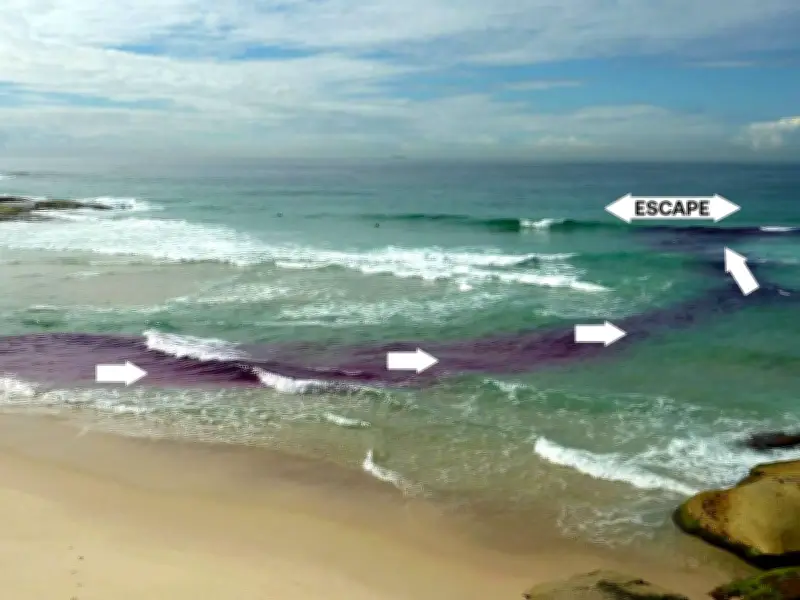
How to Escape a Rip Current
According to the RNLI, rip currents can be difficult to spot but often appear as a channel of churning, choppy water on the sea's surface. The charity advises to "break the grip of a rip" by not panicking, floating on your back, and swimming parallel to the shore until you exit the current, then swimming back to shore. A Tywyn surfer filmed himself entering a rip current to demonstrate these techniques.