Durdle Door Beach Closed After Storms Destroy Access Steps on Jurassic Coast
Durdle Door Beach Closed After Storms Destroy Access Steps

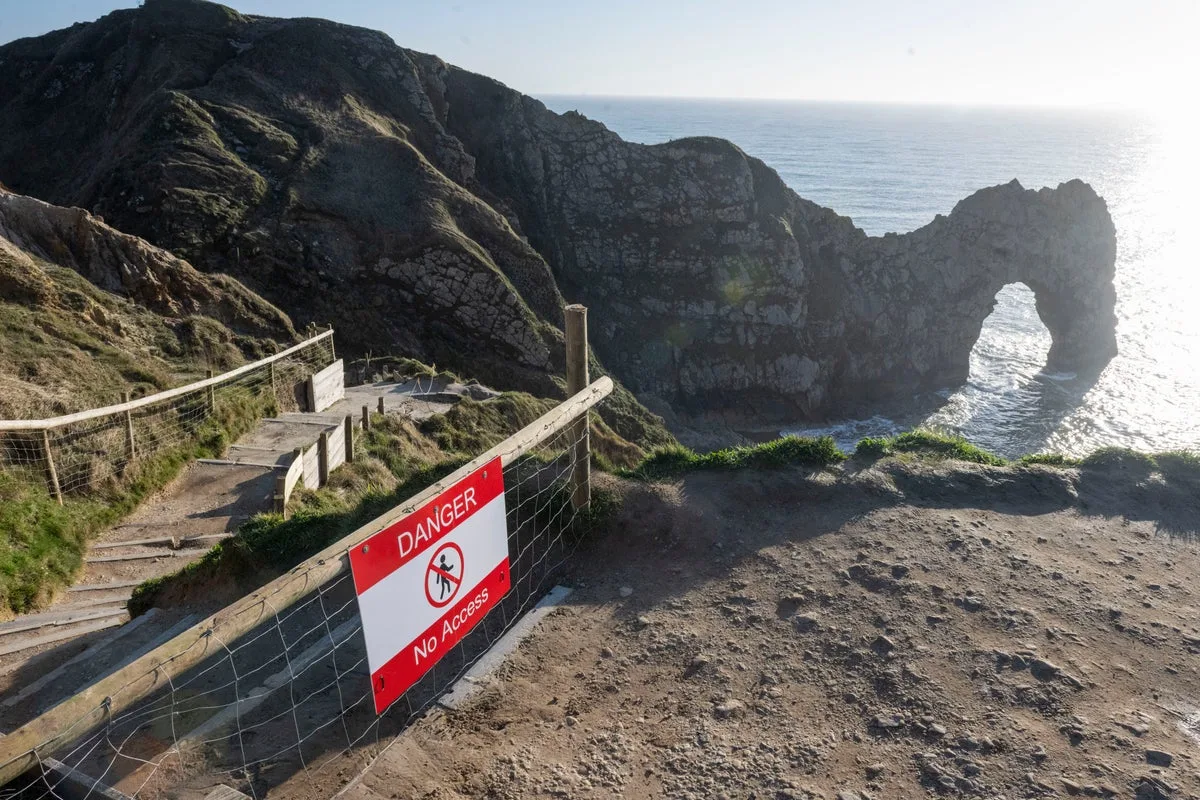
Durdle Door beach, situated along Dorset's world-famous Jurassic Coast, has been forced to close temporarily after severe storms caused significant damage to its access infrastructure. The iconic natural limestone arch, which draws visitors from across the globe, remains visible but inaccessible due to safety risks.

Safety Closure Implemented

The Lulworth Estate, which owns the land, made the decision to close the pathway after storms destroyed part of the steps leading down to the beach. The damage has left a sharp drop, creating a hazardous situation for anyone attempting to descend.

A spokesperson for the estate told BBC News that the closure was strictly for 'public safety' and emphasized it would only be temporary. However, no specific reopening date has been confirmed for this immensely popular coastal spot.

Visitor Advisory Issued

'Weather conditions may continue to affect the coastline,' the spokesperson stated, 'and the Lulworth Estate team encourages everyone to exercise caution and respect temporary closures put in place for public safety.'

While Durdle Door itself is off-limits, visitors can still access the nearby Man O' War beach. The Daily Mail has approached Lulworth Estate for further comment on the situation and any planned repairs.

Broader Coastal Impact

The storm damage at Durdle Door is not an isolated incident along the Dorset coastline. Earlier this month, work continued to clear a massive sand bar that washed into the harbour at West Bay, near Bridport.

This sand accumulation appeared in January following similar stormy weather, with estimates suggesting approximately 10,000 tonnes of material needs to be removed. Dorset Council is leading the clearance operation, hoping to complete the work by early March.

Unexpected Beach Transformation

Further along the coast at Birling Gap beach in East Dean near Eastbourne, storms have created an unusual phenomenon. Typically a pebbled beach backed by chalky cliffs with numerous rock pools, the area has been covered in sand after recent severe weather.

The National Trust, which manages the site, revealed that storm action shifted the pebbles to reveal much softer, sandy ground beneath—a transformation they describe as 'not a regular occurrence.'

'The action of strong waves during storms and high tides can reveal sandy patches on the beach,' a National Trust spokesperson explained to BBC News. 'This year has seen a higher than usual amount of sand appearing.'

The Trust is encouraging visitors to 'enjoy it while you can' but also issued safety reminders to check tide times in advance and keep well away from the cliff base at all times.

These coastal changes highlight the dynamic and sometimes destructive power of winter weather on Britain's shoreline, with popular tourist destinations like Durdle Door requiring temporary closures to ensure visitor safety while nature takes its course.