Ukraine used its FP-7 tactical ballistic missile in combat for the first time, President Volodymyr Zelenskyy said. Writing on Telegram on Thursday, he said: “First combat use. Thank you for the result. Next – production.” He did not say where or how the FP-7 had been used.
The missile’s manufacturer, Fire Point, says it is being developed as a ballistic interceptor within the European missile defence programme, called Freyja, launched this year. Ukrainian military analysts describe the FP-7 as a short-range missile with a range of about 200km (125 miles), likening it to the US army Tactical Missile System but much cheaper.
Russian drones hit Kyiv school and bridge
Russian drones smashed into a school in Kyiv and an important bridge over the Dnipro River on Thursday, triggering fires in the capital, officials said. The school was struck early in the morning, but all the students were in a shelter and no injuries were reported, city authorities said.
Mayor Vitali Klitschko said two drones hit the Southern Bridge around noon. A new strike late in the evening damaged a support, part of the road surface and protective structures around the metro crossing the bridge. On Wednesday, Russian forces unleashed what Ukrainian officials described as the start of a cold-weather strike campaign against Ukraine’s power grid.
Ukraine strikes Russian oil refineries
Ukraine is pressing on with strikes on Russian oil refineries, defying Donald Trump, who blames the attacks for exacerbating a global diesel shortage and pushing up fuel prices. Kyiv struck an oil facility in Russia’s southern Samara region overnight, Zelenskyy said on Thursday in a statement on social media. He added that a Russian vessel in the Black Sea was hit, as well as a launch and storage site for attack drones in the Oryol region.
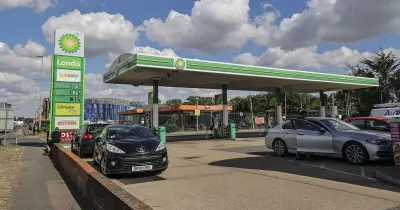
Ukraine also attacked the Russian city of Volgograd, home to a large oil refinery, with drones targeting industrial facilities, Governor Andrei Bocharov said on Telegram on Friday. Ukraine’s campaign in recent months has knocked out more than 45% of Russia’s refining capacity, according to Ukrainian estimates, prompting fuel rationing in some regions and long queues at petrol stations.
G20 talks and Russian warnings
At a Group of 20 meeting this week, trade ministers agreed it was “not acceptable” for countries to target food supplies in conflicts, France’s minister delegate for international trade, Nicolas Forissier said on Thursday, adding that European leaders took aim at Russia on the issue. Forissier’s comments come as trade ministers from the G20 met for a second day in the midwestern US city of Milwaukee, where European officials criticised Russia’s attacks on Ukraine’s grain sector.
Moscow warned Nato that it would not hesitate to use nuclear weapons to defend Kaliningrad, a Russian exclave and seaport located on the Baltic Sea, should any members of the military alliance try to cut it off. Several Russian embassies in Europe this week issued statements that said Moscow has “information that Nato is preparing [an] air and naval blockade of Kaliningrad and [the] Kaliningrad region”. Asked on Thursday whether Russia was on the cusp of a war with Nato, Putin said: “It’s not intimidation, it’s a response to an attempt to intimidate us.”
Putin said also on Thursday Russian assets of western companies that Moscow had seized could be returned in a “favourable scenario”. He also said Russia would prefer to end the conflict in Ukraine through talks and wanted Ukraine to be a neutral country after the end of hostilities.