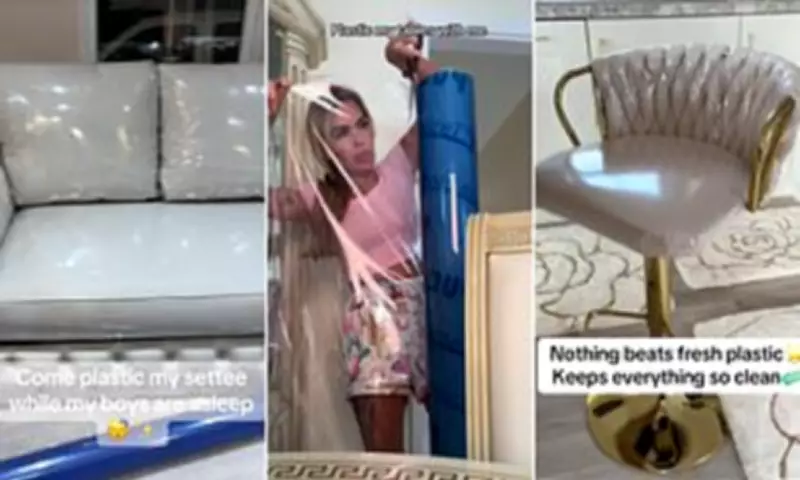
Traveller Women Reveal Plastic-Wrapping Secret for Immaculate Homes
Women from the traveller community, renowned for their house-proud nature, have unveiled an unconventional method for keeping their homes spotless. Hundreds across the UK and Ireland are taking to TikTok to demonstrate how they wrap virtually all fixtures and soft furnishings—including cushions, bathmats, and even headboards—in plastic. This practice has ignited widespread curiosity and debate on social media platforms.
The Plastic-Wrapping Phenomenon on #Travellertok
Under the hashtag #travellertok, traveller women are flooding TikTok with videos showcasing their meticulously clean homes and sharing top cleaning tips. A common theme is the extensive use of plastic covers on furniture to protect against dust, stains, and wear. Natalie, who sells plastic on her TikTok shop, highlighted in a video how she covers "dust collectors" like pelmets, doormats, headboards, and kitchen islands. "Putting plastic on them just makes it so much easier to wipe over," she explained, emphasizing the practicality of this approach.
Whether residing in trailers, caravans, or traditional houses, these women are exceptionally particular about cleanliness. TikTok influencer Charlotte-Ann Maguire noted that this is "the one stereotype that is actually quite true," underscoring the cultural emphasis on maintaining pristine living spaces.

Why Traveller Women Swear by Plastic Covers
TikTok star Cuzinsuzy, a 33-year-old traveller, elaborated on the benefits of plastic-wrapping furniture. "This plastic just protects the top of tables, you can put it on seats, in your kitchen. We just put it on the furniture so it doesn't get destroyed," she told her followers. She added that it's especially useful for households with children, as it prevents spills and stains from causing permanent damage. Cuzinsuzy even mentioned knowing women who wrap their rugs and fridge fronts in plastic to keep them completely clean.
In a demonstration video, she showed how applying plastic to tables keeps them looking "like new" and "saves you a lot of bother in the long run." After wrapping her round table, she remarked that "you can't really tell the difference," showcasing the shiny, polished result.
Common Items Wrapped and the Process Involved
Large sofas, kitchen islands, and dining tables are among the most frequently plastic-covered items. Content creator Lucy (@lucy_bx on TikTok) recently documented covering a large grey settee, staying up until 1am to complete the task. Her video, which garnered nearly 14,000 likes, showed her meticulously wrapping each part of the sofa. "Didn't finish until 1am this morning [and still] have the pillows to plastic in the morning," she captioned the clip.
Lucy also shared footage of plastic-covered bar stools and carpets, writing that "nothing beats fresh plastic" because it "keeps everything so clean." In a separate tutorial, she detailed the steps for wrapping a rug:
- Hoover the rug to remove any bits or fluff.
- Measure and cut the plastic like wrapping paper.
- Wrap it like a Christmas present.
- Secure the edges with duct tape or strong cellotape.
She noted that this type of plastic is available at traveller fairs or from sellers on Facebook, distinguishing it from the sticky-back plastic sold on TikTok shop.
Mixed Reactions and Environmental Considerations
The trend has sparked divided opinions among viewers. Some followers raised concerns about comfort and practicality, with one commenting, "Gunna be stuck to that settee in summer," and another questioning, "Why be uncomfortable, and it’s so noisy when you move about?" Lucy responded by explaining that without plastic, she'd worry about stains from her children, and the cover allows her to relax. She assured that the plastic doesn't compromise comfort.

Environmental criticisms have also emerged, with worries about plastic waste ending up in landfills. TikToker @diane_k93 addressed this, stating that if plastic is applied once, it can last over a year. She defended the practice, listing its advantages: "It's so easy to wipe over, it stops dust, it's perfect for anybody with asthma. It stops discolouration from the sun on fabric, and it'll give me longer wear." Diane shared that her previous bed frame remained in pristine condition after a decade of use, thanks to plastic protection.
Other commonly wrapped items include bathroom mats and headboards, with Diane clarifying that only her headboard is covered, not the entire bed. "I love plastic, I just think it gives it a nice shine," she said, expressing bafflement at the opposition. This ongoing online discussion highlights a unique cultural practice that blends tradition with modern social media trends.