The Capture's Return: A Deepfake Thriller Mirroring Our Digital Fears
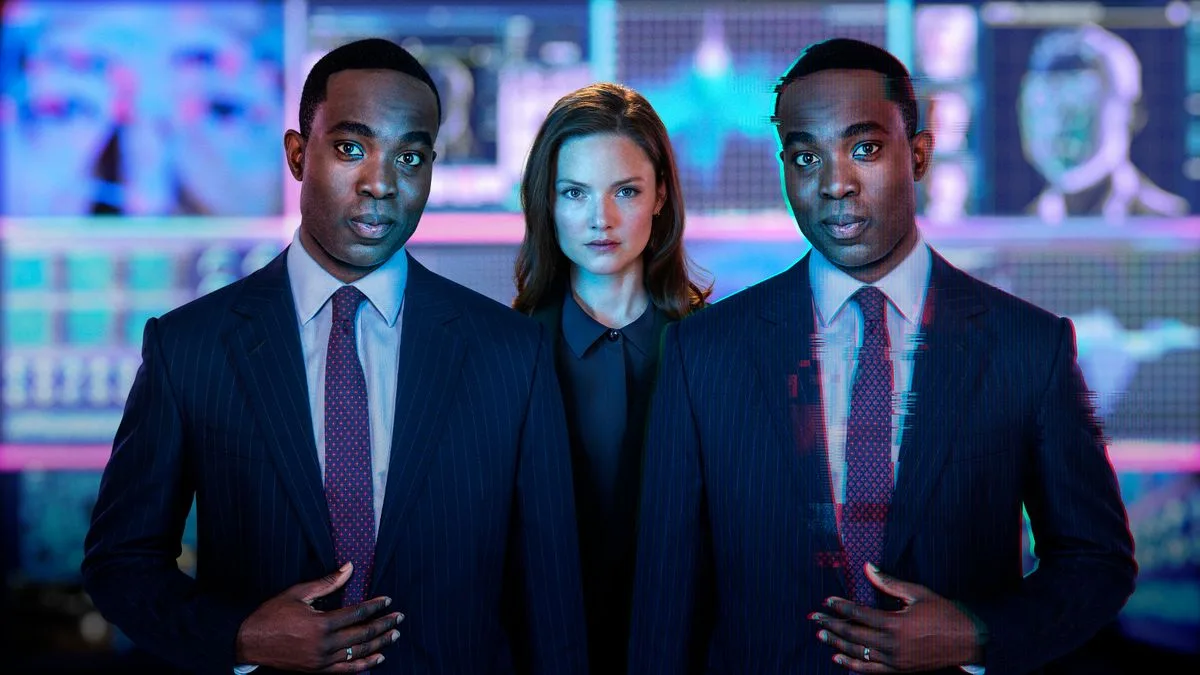
In a world increasingly bedevilled by unreliable digital imagery, the BBC conspiracy thriller The Capture makes a timely return. The latest series, starring Holliday Grainger as Rachel Carey, delves into shady digital practices with outrageous twists that feel more relevant than ever. This superlative drama continues to explore the murky intersection of technology and truth, offering a gripping narrative that resonates with contemporary anxieties.
Real-World Echoes in a Fictional Universe
Last month, a report from the Guardian highlighted a case in Southampton where automated facial recognition software led to an arrest for a burglary in Milton Keynes. The arrested individual was not the culprit, and the two men shared only a south Asian heritage, with noticeable differences in age and appearance. This incident underscores the unreliability of algorithms, a theme central to The Capture. Fans of the show might find a dry chuckle in such real-world parallels, as the drama navigates opaque online systems and digital deception.
Every day, modern reality chimes with the show's themes, from dubious data firms securing government contracts to AI-generated videos flooding social media. The return of The Capture could not be more opportune, as it tackles these issues head-on in a compelling narrative.
Recap and Evolution of the Series
In season one, The Capture introduced viewers to "correction," a practice using deepfake technology to falsify CCTV footage and incriminate state enemies. Rachel Carey, a Metropolitan police high-flyer played by Holliday Grainger, uncovered this conspiracy and, in a twist, agreed to work with the corrupt SO15 unit. Season two escalated the stakes, with deepfakes manipulating live TV interviews involving government minister Isaac Turner, portrayed by Paapa Essiedu. Carey teamed up with Newsnight presenter Khadija Khan, played by Indira Varma, to expose the truth to the public.
Now, a year later, the story advances. Isaac is home secretary with ambitions for the premiership, while Khadija continues to challenge BBC executives. Rachel has risen to Acting Commander Carey, leading SO15 in a post-correction era where public awareness of video manipulation is high. Her mission shifts from using correction to combating it, exemplified by the introduction of the "Carey cam," a device that foils real-time facial spoofing by Russian agents at Heathrow.
Thrilling Twists and Technological Horrors
The Capture excels as a conspiracy thriller by staying several steps ahead of its audience. Writer Ben Chanan crafts swift, unpredictable twists and a wide ensemble of characters with hidden agendas. Chanan's involvement in writing every episode and directing the first season is a seriously impressive feat, adding to the show's allure. The series evolves its tech-horror visions, starting with deepfake warnings and expanding to explore how data collection at scale can surpass human understanding.
In the season three opener, familiar themes resurface as Carey and her team confront deceptive video feeds. However, the episode culminates in outrageous surprises that amplify fears about trusting our own eyes and highlight Carey's underdog status against powerful adversaries. The dystopia portrayed in The Capture remains believable, reflecting ongoing societal concerns about digital integrity.
The Capture aired on BBC One and is available on iPlayer, offering a must-watch experience for those intrigued by the intersection of technology and truth in today's world.