Molly Russell's Friends Confront Survivor Guilt in Heartbreaking Documentary
No one can ever be fully prepared for the loss of a loved one, but for the close-knit group of friends from Harrow, London, who lost their best friend Molly Russell at just 14 years old, this tragedy has left an indelible mark of grief and guilt. Molly's untimely death in 2017 is now the focus of a powerful new Channel 4 documentary titled Molly vs The Machines, which airs this evening, delving into the profound impact of social media on young lives.
A Life Cut Short by Social Media's Dark Side
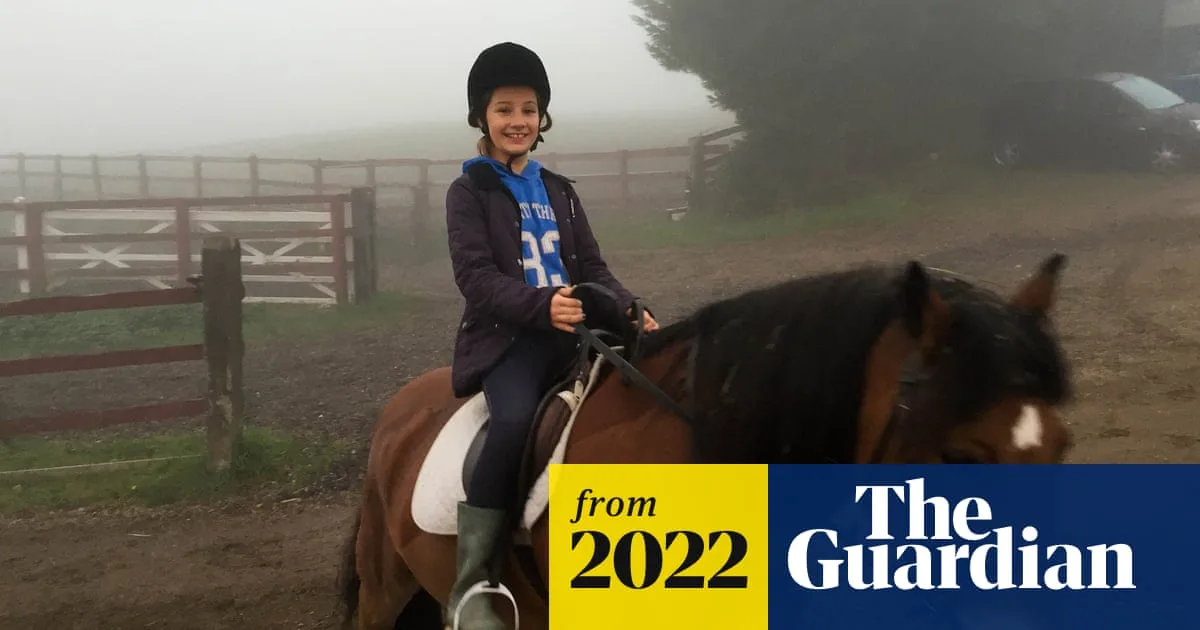
Molly Russell was a vibrant teenager whose life ended tragically in 2017. Her friends, including Charlotte, Sophie, and Nieve, recall the devastating moment when Molly was found dead by her parents. During the inquest, the coroner ruled that she died from self-harm following depression, with a significant factor being the negative effects of social media. The documentary recreates this inquest, revealing that Molly had accessed thousands of pieces of online content related to self-harm, depression, and feelings of worthlessness, painting a grim picture of how digital platforms can exacerbate mental health struggles.
Friends Reflect on Missed Signs and Heartbreaking Memories
In emotional scenes, Molly's friends look through old videos and photos from their teenage years, reminiscing about shared dreams and futures they once discussed. With hindsight, they now recognize subtle changes in Molly's behavior leading up to her death that they initially overlooked. She began wearing trousers instead of skirts, showing self-consciousness about her body, and would write notes on her hands, which they believe were coping mechanisms for the turmoil in her mind. These memories are now tinged with sorrow and a deep sense of survivor guilt, as they grapple with the knowledge that any young person could be similarly affected by harmful online content.
Father Ian Russell's Fight for Change and Parental Awareness
Molly's father, Ian Russell, speaks poignantly about the false sense of security he felt as a parent. He explains, "When you say goodnight to your kid and close the door, and they're safely in their bedroom, you think you've taken steps to protect them. But if that child has a smartphone, there's a window to the outside world where decisions about suitable content are made remotely, often experimentally." His words underscore a critical gap in parental awareness regarding the dangers of unregulated social media access. In the documentary, a tense moment occurs when a representative for social media firms refuses to take ownership for the content Molly viewed, even suggesting it could help those struggling, highlighting the ongoing battle for accountability.
The Ongoing Struggle for Regulation and Healing
Nearly a decade after Molly's death, Ian Russell and her friends continue to advocate for stricter social media regulations. Ian reflects, "A bit of me died with her. My life is fractured into two pieces." Their fight is not just for justice but for preventing similar tragedies, emphasizing the need for better safeguards to protect vulnerable teens from harmful online material. The documentary serves as a stark reminder of the real-world consequences of digital negligence and the enduring pain of those left behind.
If you or someone you know is struggling, the Samaritans offer a free helpline open 24/7 at 116 123. You can also email jo@samaritans.org or visit their website for local support.