Meta Platforms Face Allegations of Promoting Illegal Gambling Networks
Facebook and Instagram owner Meta is facing serious allegations of promoting illegal gambling websites that utilise famous influencers to target vulnerable British citizens, according to a damning investigation published today. The report claims unlicensed sites, which openly boast about having no safety checks, have flooded social media networks in recent years with persuasive advertisements and promises of enormous jackpots.
Investigation Uncovers Shocking Ease of Access
Alex Wood, a convicted scammer turned anti-fraud campaigner who co-hosts BBC Scam Secrets and authored the report, demonstrated how easily these illegal operations can be accessed. He was able to place bets using the identity of 'Red Rum', the legendary racehorse that died in 1995, and even registered as a six-year-old Russian oligarch supposedly residing at Buckingham Palace. Remarkably, Mr Wood could also gamble on the Cheltenham Festival while posing as a prominent horse trainer and leading jump jockey.
Meta's AI chatbot was allegedly found to actively promote some of these illegal sites when users inquired about better odds and operators that would not require identification. The investigation revealed that when asked to recommend Curacao-based horse racing operators that don't require ID, Meta AI directed users to some of the most problematic black market operators.

Influencers and AI Models Push Unlicensed Platforms
On Instagram, influencer Harrison Sullivan, known as HSTikkyTokky who featured in Louis Theroux's Manosphere documentary, has been promoting links to unlicensed gambling site Stake. He films himself placing and winning enormous bets on his Stake account, creating compelling content that encourages followers to engage with these platforms.
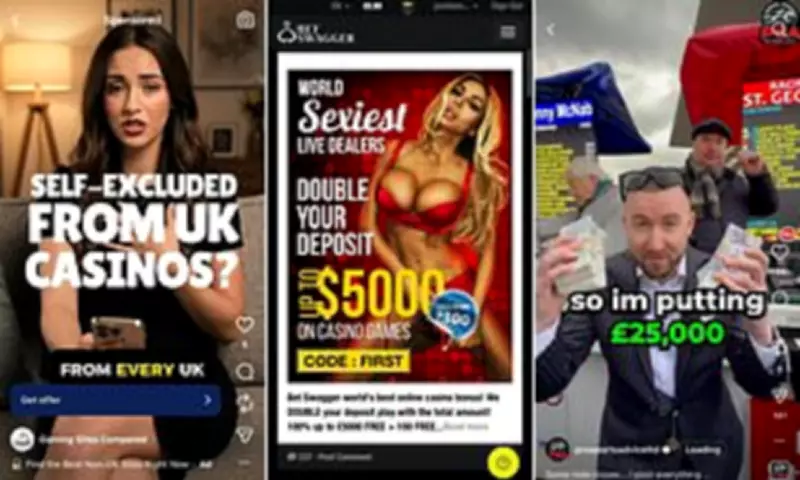
Another concerning advertisement on Instagram featured AI models claiming that black market sites offer superior welcome bonuses, faster spin speeds, and no affordability checks. Some bets were actually placed with illegal operators directly through the Instagram app, meaning Instagram hosted the complete journey on its in-app browser, although the betting activity technically occurred outside its network.
Investigation Methodology and Findings
Mr Wood's investigation, commissioned by Paddy Power owner Flutter UKI, took place in the run-up to the Cheltenham Festival in March. He followed advertisements on social media platforms directly to numerous illegal gambling operators without needing to use a VPN to conceal his location.
On Top G Casino, he successfully bet as Red Rum with the address 'Horse Heaven' and placed wagers on Jagwar to win the Champion Hurdle. Through Instagram, Mr Wood followed links on an influencer's page, was redirected to Telegram, and then to an illegal site called Velobet where he registered as leading horse racing trainer Willie Mullins and placed a bet.
Perhaps most alarmingly, Mr Wood registered with GoldenBet after being recommended to the illegal site by Meta AI. He registered as a Russian oligarch, claimed to be aged six and living at Buckingham Palace, but was still permitted to bet using his Visa debit card.
Financial Scale and Industry Response
The black market for gambling has nearly tripled in size since 2022, now representing approximately 9 percent of Britain's online gambling market according to a September report by intelligence platform Yield Sec. That report, commissioned by the Campaign for Fairer Gambling, found illegal operators earned £379 million in the first half of 2025, with 531 black market sports betting and casino operators actively targeting British customers.
Brant Dunshea, chief executive of the British Horseracing Authority, stated: 'Illegal betting operators openly targeting people via social media and influencers must come as a wake-up call to the Government. These are firms that are preying on vulnerable people, that are robbing the Treasury of vital tax returns and plundering millions of pounds from British horseracing.'

Grainne Hurst, chief executive of the Betting and Gaming Council, added: 'Reports like this highlight exactly why the Government must step up efforts to tackle the growing online black market. The new government black market taskforce must be used to force online platforms to clamp down on illegal operators who are putting consumers at risk.'
Regulatory Concerns and Government Action
The investigation comes as Labour's plans announced in the Budget to increase gambling taxes take effect. Chancellor Rachel Reeves raised remote gaming duty from 21 percent to 40 percent – which the industry described as a '90 percent' increase. A new online sports betting duty of 25 percent will also be introduced from 2027, covering all sports except horse racing.
Affordability checks, also known as financial risk assessments, on those placing bets online could be approved by the Gambling Commission as soon as next month. However, industry voices warn that such checks might inadvertently drive frustrated bettors toward the illegal market.
The Department for Culture, Media and Sport launched an 'Illegal Gambling Taskforce' in January, bringing together companies including Google, Mastercard, TikTok and Visa alongside law enforcement and gambling bodies to tackle illegal gambling. In February, the Government also announced it would crack down on gambling operator sport sponsorship to prevent illegal firms using Premier League clubs as platforms to appeal to British audiences.
Meta's Response and Ongoing Concerns
Meta states that it enforces strict advertising policies regarding online gambling and gaming advertisements, and any ads that violate these policies are promptly removed once identified. The company's enforcement systems include both detection tools and human review processes.
However, Tim Miller, the Gambling Commission's executive director, claimed in January that Meta was turning a blind eye to illegal online casinos advertising on its sites, suggesting the company was content to continue accepting money from criminal enterprises. He told the ICE Barcelona trade show that anyone spending even minimal time on Meta's platforms would likely encounter advertisements for illegal online casinos in their feed.
A Government spokesperson responded: 'We are very concerned about the risks of unlicensed operators targeting vulnerable British consumers and are determined to protect consumers by tackling all forms of illegal gambling. Cracking down on unlicensed advertising online is one of the key focuses of our new Illegal Gambling Taskforce.'
The Gambling Commission confirmed that some unlicensed sites had connections to organised crime, Russian gangs, and even terror networks. A commission spokesperson emphasised: 'Anyone who engages in advertising arrangements with unlicensed gambling operators is at risk of committing the offence of advertising unlawful gambling under section 330 of the Gambling Act 2005.'
Mr Wood concluded: 'I've been shocked at the sheer amount of illegal, unlicensed gambling content being pushed and promoted online and social media companies have serious questions to answer. Meta AI even wished me luck in trying to emulate the likes of Andrew Tate. It has to stop.'