As a former war correspondent, Phoebe Greenwood reflects on how the ubiquity of phone cameras has transformed our relationship with reality, turning disasters, dinners, and sunsets into content. She draws parallels between the protective distance of a professional lens and the everyday habit of recording life through a smartphone.
From war zones to tourist hills
Greenwood recalls watching a sunset from a rooftop in Athens, where a line of silhouettes on Filopappou hill all held cameraphones towards the sky. The scene reminded her of war zones she covered for over a decade, where every disaster drew a ring of telephoto lenses. Print reporters could stay at a distance, but photographers had to get close for a clean shot.
When she asked photographers how they coped, most said the lens was a buffer, a protective forcefield. They weren't looking at the injured child, but at the image of one. The renowned war photographer Don McCullin warned of this danger in 1983, saying, "I operate not as a photographer but as a human being."

Living through lenses
Now, almost everyone clutches a distancing device. Greenwood admits to pulling out her phone to record attractive dishes, cute animals, fights, or medical emergencies. She notes that multi-billion-dollar industries have been built on people photographing themselves, and the danger is increasingly more than psychological.
Earlier this month, five teenagers were killed in a car driving the wrong way down a motorway in Ireland, apparently taking part in an online trend where masked young men film reckless driving. Forensic cyberpsychologist Mary Aiken describes this as "hybrid behaviour," with one foot in the real world and one in cyberspace.
The fatal selfie phenomenon
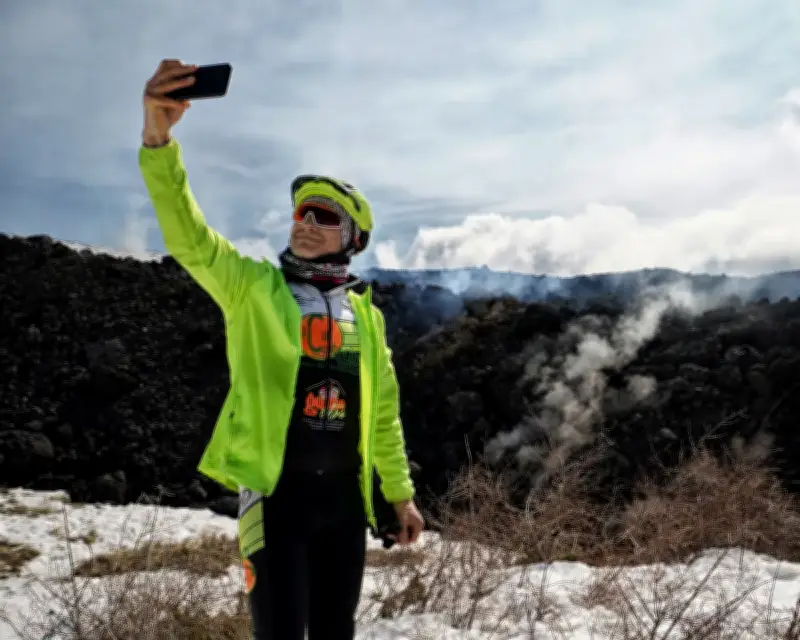
A study identified 332 selfie-related deaths between 2014 and 2021, most commonly from drowning, falling, or transport. Phone cameras have changed how we perceive danger: a cliff edge becomes a backdrop, death is content.
Greenwood references a 2009 incident where AP photographer Julie Jacobson photographed a fatally wounded marine, sparking debate. Jacobson argued she documented a painful truth. Greenwood suspects that for the average smartphone user, cameras serve the opposite purpose: the world has become too difficult to look at directly.
Addiction to framing reality
Phone users are exposed to more suffering than a human nervous system can absorb, yet we keep scrolling. Cameras allow us to be present but absent, turning frightening or beautiful moments into something we can frame, edit, and share.
In Gaza, Palestinian journalists filming on phones have provided an indispensable record of war. McCullin said, "Photography for me is not looking, it's feeling." The rest of us may have to work to remain human behind the lens, engaging with reality once the image is posted.