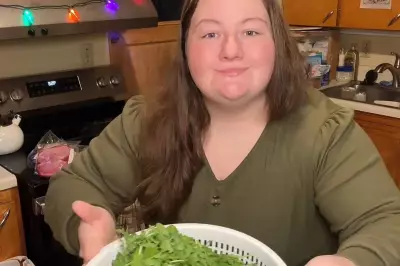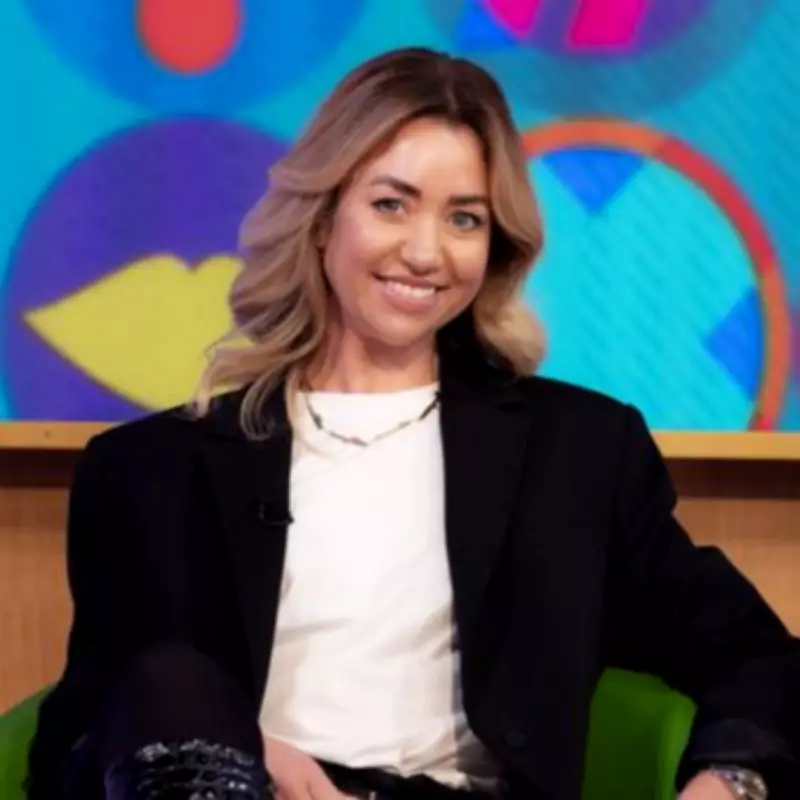
Big Brother 'villain' Grace Adams-Short has ignited a firestorm of controversy two decades after her rise to fame by launching a new business that teaches children how to become influencers. The former reality star, known for her explosive stint in the BB house in 2006, has branched out with OSO Studios, a content creation hub offering "content to catwalk" masterclasses for kids aged eight to sixteen at £50 per session.
Promoting Children as Commodities
Grace Adams-Short's business model promises to equip "rising stars" with the tools to get noticed, create viral videos, and build personal brands, potentially leading to collaborations with fashion labels. However, this initiative has left parents across the nation, including myself, deeply concerned. Recruiting children as if they were brands or commodities is not only preposterous but also dangerous, blurring the lines between childhood innocence and adult exploitation.
The Dangers of Early Exposure
At a time when countries like Australia are banning children under 16 from using social media, and Britain is considering similar measures, it seems reckless to encourage kids to lead the charge as mini-influencers. Children need the space and freedom to simply be children, not to be thrust into an adult world prematurely. This trend mirrors the troubling rise of makeup and beauty brands targeted at toddlers, all seemingly driven by a desire for quick profit rather than genuine care for young minds.
Influencing should remain an adult domain. Over recent years, we have witnessed the damaging effects of unregulated platforms like Snapchat, TikTok, and Instagram, with cases of grooming, bullying, and dangerous situations on the rise. For children, especially those lacking confidence or who are neurodiverse, social media can distort perceptions of acceptability and popularity, teaching them that self-worth is tied to likes and followers.
A Personal Stand Against Social Media
As a parent, I have taken my two children off social media entirely, much to their dismay. The final straw came when my eldest son, influenced by a teenage influencer discussing the Red War/Blue War craze in London schools, bought a comb with a spiky handle for self-defence. This incident highlighted how easily kids can be drawn into violent trends promoted online, prompting me to bin the comb and delete all social media accounts.
We must ask ourselves: do we want the next generation to become so obsessed with monetizable content that their self-esteem hinges on digital validation? The pressure to achieve fame can lead to severe mental health struggles, as seen with many Love Island contestants, before children even reach adulthood. Encouraging kids to chase celebrity status during their formative years is a recipe for disaster, undermining their natural development and exposing them to unnecessary risks.
Grace Adams-Short's venture into kidfluencer training is not just daft; it is a perilous step that prioritizes profit over child welfare. It is time for parents and policymakers to take a stand, ensuring that children are protected from such exploitative practices and allowed to enjoy their childhood free from the pressures of social media fame.