Dubai Influencers' Luxury Lives Interrupted by Iran Strikes: Safety Image Shattered
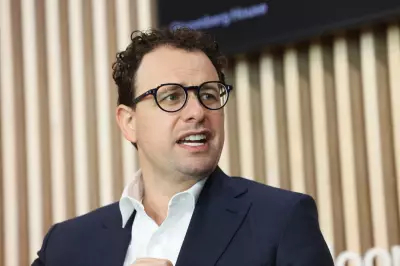
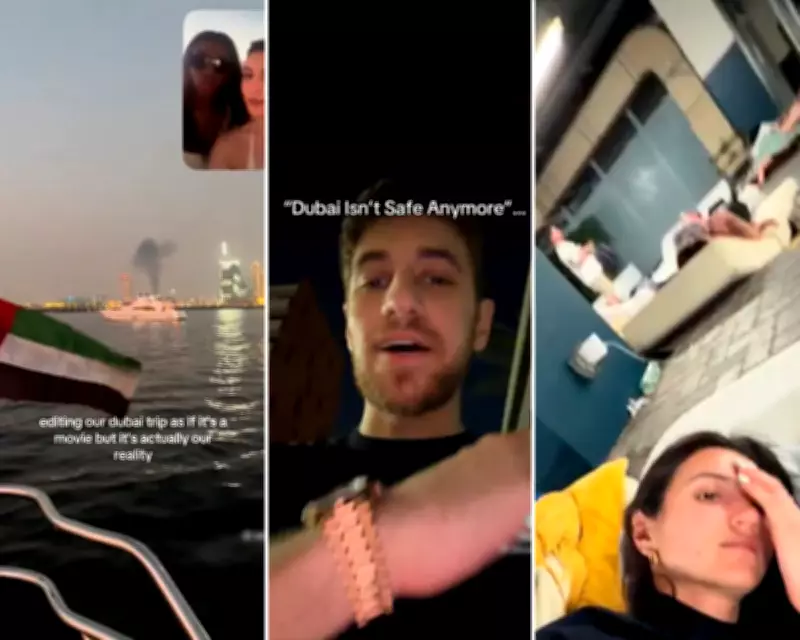
In the wake of Iran's missile strikes on Gulf states, a stark contrast emerged on social media feeds, where scenes of lavish parties clashed with images of war. Mike Babayan, a 23-year-old finance professional and TikTok influencer from Los Angeles, was enjoying a hookah lounge in Dubai when explosions rocked the city. Despite emergency alerts urging residents to seek shelter, Babayan noted that many quickly resumed their activities, saying, "Everyone just went back to their hookah and food a minute later." However, he later moved from his Burj Khalifa apartment to a safer location, where he could hear explosions every 20 to 30 minutes, yet observed people casually walking around as if unconcerned.
The Influencer Response to Conflict
Babayan, who boasts nearly 150,000 TikTok followers, shifted his content to commentate on the strikes, aiming to combat misinformation, such as debunking an AI-generated video of the Burj Khalifa burning. He also highlighted Dubai's perceived safety, claiming it felt safer than New York, Los Angeles, or London, even during the conflict. Other influencers, like British travel influencer Will Bailey with nearly 500,000 followers, captured missiles falling from a beach club, with DJ music continuing in the background. This blend of luxury and war sparked mixed reactions, with some commenters questioning the party atmosphere amid danger.
Context and Casualties
Iran launched missiles and drones in retaliation for US-Israeli attacks that reportedly killed over 700 Iranians, including 168 at a girls' school. The UAE reported three deaths and 68 injuries, with authorities stating they intercepted most projectiles, though damage occurred at locations like the Fairmont The Palm hotel and airports. Influencers from various backgrounds, including Indian expatriates, used their platforms to reassure families back home, countering sensationalist news coverage with messages of normalcy.
The Facade of Safety and State Control
Dubai, often dubbed the influencer capital of the world, relies on a regulated ecosystem where creators must obtain licenses and adhere to strict guidelines, including respecting state policies. This promotion of a "safest place" image contrasts with issues like migrant worker exploitation and extensive surveillance. Dr. Zoe Hurley, a media professor, noted that the strikes shattered the perception of Dubai as a safe oasis, leading to authentic yet vulnerable responses from influencers who often portray a curated lifestyle.
Broader Implications and Criticisms
Experts like Peter Loge, a media professor, described influencer dispatches as "ahistorical," focusing on immediate visuals rather than the complex, decades-long geopolitical context. The content has been likened to "disaster tourism," with global audiences consuming war-related TikTok videos. Mia Plainer, a social media planner from London, experienced the strikes while on vacation, filming the "juxtaposition" of luxury and conflict, and expressing empathy for those in prolonged war zones like Gaza and Ukraine.
As the conflict escalates, with the UK and US advising evacuations, influencers like Plainer plan to continue enjoying their trips despite uncertainties. This episode underscores the role of social media in shaping narratives during crises, highlighting both the resilience and contradictions within Dubai's influencer community.